

Plant Protein vs Whey: What Athletes Need for Muscle Growth
Whey wins on simplicity for most athletes chasing fast post-workout muscle repair, since it hits leucine targets in a small dose without any formulation math. Properly built plant protein blends match that result when total protein and leucine are dosed correctly. The right pick depends on your dietary limits and how much label-reading you’re willing to do. Vegan athletes, the lactose-sensitive, and anyone prioritizing sustainability should look at plant blends first. The section on choosing a product below breaks down exactly how to hit those numbers.
TL;DR:
- Plant protein blends with at least 20 grams per scoop and around 2.5 grams of leucine match whey in stimulating muscle protein synthesis when properly formulated.
- Blended plant formulas combining sources like pea, rice, and hemp can close the amino acid gap and should be prioritized for complete essential amino acid profiles.
- Whey isolate remains the most convenient source for quick, high-leucine doses, but properly formulated plant blends can achieve similar anabolic effects with slightly larger servings.
- Lactose content causes digestive issues with whey concentrate, while plant proteins often cause bloating from gums or fiber, which can be mitigated by switching formulations or reducing serving sizes.
- Older athletes should increase per-meal protein intake to overcome anabolic resistance, regardless of protein source, to effectively support muscle growth.
Table of Contents
- Plant Protein vs Whey: Comparing the Nutrient Profiles
- Does Plant Protein Build Muscle as Well as Whey?
- Which Causes More Digestive Issues, Plant Protein or Whey?
- How to Choose Between Plant Protein and Whey
- Racepack SG’s Plant Protein Lineup for Athletes
- What Actually Matters When You Pick a Protein
- Ready to Stock Up on Racepack SG’s Protein Lineup?
- Sources
- FAQ
Plant Protein vs Whey: Comparing the Nutrient Profiles
The numbers on the label tell you almost everything you need to know before you even open the tub. Whey protein isolate typically delivers a moderate to high amount of protein per scoop, along with leucine content sufficient to stimulate muscle protein synthesis, putting it comfortably above the threshold most research ties to a strong muscle protein synthesis (MPS) response. Whey concentrate runs slightly lower in protein purity and carries more lactose, which matters if your gut is sensitive.
Plant proteins vary more by source, and that variation is exactly where athletes get tripped up. A single-source pea isolate or soy isolate can provide a substantial amount of protein per scoop, though leucine content tends to be lower compared with whey, because plant proteins are naturally leaner in the branched-chain amino acids that trigger anabolic signaling. Blended plant formulas that combine pea, rice, and sometimes hemp or canola protein close that gap by pairing sources with complementary amino acid strengths. Researchers found that a well-formulated plant protein blend can stimulate post-exercise MyoPS to a degree equivalent to whey when total protein and leucine targets per serving are matched appropriately. That’s a heavier dose than whey needs to do the same job, and it’s the single biggest thing to understand before you compare price tags.
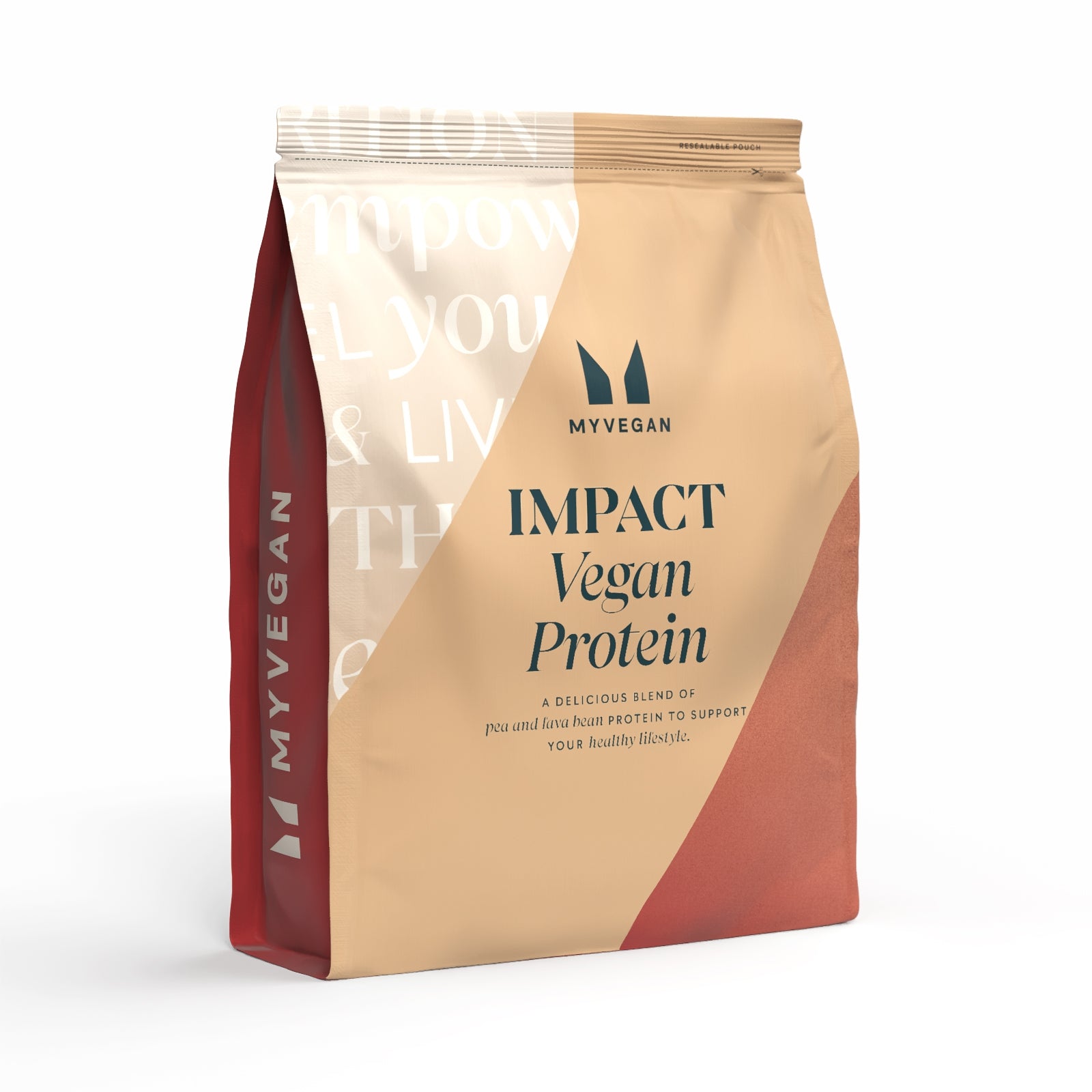
Essential amino acid (EAA) completeness is the other variable worth understanding. Whey is a “complete” protein on its own, carrying all nine essential amino acids in ratios your muscles use efficiently. Most single plant sources fall short somewhere: pea protein runs low in methionine, rice protein is short on lysine, soy is one of the few plant proteins that comes close to whey’s completeness naturally. Combining sources fixes this, which is why most serious plant blends read like a short ingredient list rather than one crop.
Here’s what to check on any label before you buy:
- Protein per scoop — look for 20 grams or more from a plant blend, 24 grams or more from whey isolate.
- Leucine or total EAA content — many plant brands now print this; if it’s missing, assume the blend leans low and plan a slightly bigger serving.
- Added creatine or leucine — a growing number of plant formulas fortify with isolated leucine or creatine monohydrate to close the natural gap.
- Isolate vs. concentrate — whey isolate strips out most lactose, which matters if dairy upsets your stomach; concentrate is cheaper but carries more.
- Allergen flags — soy, pea, and rice are common bases; check for cross-contamination warnings if you’re managing a legume allergy.
Processing method affects more than the ingredient list suggests. Isolating and refining plant proteins reduces anti-nutritional compounds like phytates and improves how well your body absorbs the resulting amino acids, which is one reason isolates tend to outperform raw single-source powders in practice. If you’re deciding between plant protein vs whey based on the numbers alone, treat leucine as your tiebreaker metric, not total protein.
Does Plant Protein Build Muscle as Well as Whey?
Plant protein builds muscle just as effectively as whey when you match the dose. That’s the headline finding from the growing body of comparative research, and it changes how athletes should think about this decision.
The plant blend MyoPS study referenced above is the clearest data point available. Researchers gave one group whey and another a formulated plant blend after resistance training, controlling for total protein (~32 g) and leucine (~2.5 g). Post-exercise muscle protein synthesis rates came out statistically equivalent between groups. The takeaway isn’t that plant protein is inherently as anabolic as whey gram-for-gram; it’s that when you match the leucine trigger dose, the source stops mattering much.
A separate comparison focused specifically on pea protein found similarly reassuring results: studies tracking strength, body composition, and recovery markers over training blocks showed pea protein and whey produced comparable outcomes when athletes hit adequate total protein intake. Some biochemical markers differed between groups, but those differences didn’t translate into measurably different strength or composition results. That’s an important distinction: a blood marker moving doesn’t always mean your training outcome moves with it.
Where the two sources diverge more is in acute metabolic response. A randomized crossover trial comparing moderate doses of whey and a plant-based blend found comparable effects on resting energy expenditure, respiratory exchange ratio, appetite, and later energy intake, although whey produced a more pronounced early insulin and NEFA response. Practically, that faster insulin response is part of why whey has a reputation as the “faster” recovery protein. Whether that speed matters for hypertrophy over weeks and months is a separate question, and the current evidence suggests it matters less than total daily protein and consistent training.
So what should you actually aim for? Target leucine and total protein amounts per serving that align with research-supported thresholds for maximizing muscle protein synthesis, adjusting for individual size and intensity, adjusting toward the higher end if you’re a bigger athlete or training at high intensity. Across the day, resistance-trained athletes generally benefit from a protein intake proportionate to their body weight, distributed across multiple meals. If you’re relying on plant protein for that whole target, budget larger scoops or add a second source at meals rather than assuming powder-for-powder parity with whey.
One caveat that gets overlooked: older athletes often show a blunted anabolic response to a given protein dose, sometimes called “anabolic resistance.” If you’re past 50 and training seriously, research on leucine thresholds suggests bumping your per-meal protein target upward rather than sticking to the numbers that work for a 25-year-old. That’s true whether your source is whey or a plant blend, and it’s one more reason to track how your body actually responds rather than copying a younger training partner’s macros exactly.
Which Causes More Digestive Issues, Plant Protein or Whey?
Whey’s most common digestive complaint traces back to lactose, since whey naturally carries milk sugar that people with dairy sensitivities struggle to break down. Whey concentrate carries the most lactose; whey isolate strips most of it away during processing, which is why isolate is the better starting point for anyone who gets bloated or gassy on regular whey but doesn’t want to give up dairy-based protein entirely.
Plant proteins skip the lactose problem entirely, but they’re not free of GI complaints. The culprits are usually the additives, not the protein itself: gums like xanthan or guar used for texture, sugar alcohols used for low-calorie sweetness, and naturally higher fiber content in less-refined plant sources. Non-protein additives are the more common trigger for plant-powder bloating than the protein source itself, which means switching plant brands, not switching away from plant protein altogether, often solves the problem. Legume allergies are rare but real, so anyone with a known pea or soy sensitivity needs to read the base ingredient before buying either single-source or blended plant powders.
If a protein powder is causing you trouble, work through these steps in order:
- Switch formulations first. Try whey isolate instead of concentrate, or a simpler single-ingredient plant isolate instead of a heavily additive-laden blend.
- Cut your serving size. Half a scoop split across two feedings often eliminates symptoms a full scoop causes.
- Take it with food. Mixing protein powder into a meal rather than drinking it alone slows digestion and tends to reduce gas and bloating.
- Read the full ingredient list, not just the nutrition panel, and flag any gums, inulin, or sugar alcohols if you’ve had issues with those before.
Pro Tip: Test any new protein powder, plant or whey, during a normal training week rather than the day before a race or a max-effort lift. Gut tolerance to a new formula is genuinely unpredictable the first few times, and race day is the wrong place to find out.
Endurance athletes have one more variable to watch: sodium and electrolyte content. Some plant powders carry higher natural sodium or added electrolytes that can be a plus for long training sessions but an unwelcome surprise if you’re also dosing hydration mixes separately. Check both labels together rather than assuming your protein and your electrolyte drink are independent of each other.
How to Choose Between Plant Protein and Whey
Run through this decision flow before you buy, because the right answer depends on more than taste preference.
Step one: define your primary goal. If it’s pure post-workout muscle protein synthesis and you have no dietary restrictions, whey isolate is the path of least resistance. If you’re vegan, managing a dairy intolerance, or prioritizing a lower environmental footprint, plant protein is your starting point regardless of the extra formulation math involved.
Step two: check allergy and dietary limits first, before you look at anything else. This eliminates half your options immediately and saves you from returning a product later.
Step three: target leucine and total protein per serving. Aim for leucine and total protein amounts per serving sufficient to promote muscle protein synthesis based on current research. This single number does more to predict your MPS response than brand reputation or price point.
A serving that hits roughly 2.5 grams of leucine paired with 20 to 30 grams of total protein produces a comparable anabolic signal whether it comes from whey or a properly blended plant source.
Step four: check the formulation, not just the front-of-package marketing. A “plant protein blend” combining pea, rice, and a third source is a very different product from a single-ingredient pea isolate, even if both say “24 grams of protein” on the front. Blends generally close the amino acid gap better; single isolates are simpler and cheaper but may need supplementing.
Step five: factor in taste and price last, once you’ve confirmed the nutrition numbers work. A product you won’t actually drink consistently is worthless regardless of its amino acid profile.
For daily targets beyond the post-workout window, most strength athletes do well on 1.6 to 2.2 grams of protein per kilogram of body weight per day. If you’re building your intake primarily from plant sources and consistently falling short on leucine, adding a standalone leucine supplement or creatine monohydrate is a reasonable fix rather than switching your whole diet back to dairy-based protein. Understanding how leucine triggers muscle protein synthesis helps make sense of why this one amino acid gets so much attention relative to total protein.
Your point-of-purchase checklist, condensed:
- Protein per serving: 20 grams minimum
- Leucine or EAA total: printed on the label, or verified against a known blend recipe
- Formulation: blend for amino completeness, isolate for simplicity and lower cost
- Allergens: cross-check against your specific sensitivities
- Added fortification: creatine or leucine additions are a plus for plant-only athletes
Racepack SG’s Plant Protein Lineup for Athletes
Racepack SG stocks three plant protein options that map directly onto the decision framework above, each solving a slightly different problem. Athletes rotating between whey and plant sources, or building a fully plant-based routine, can also check our guide to choosing the right protein powder for a broader shopping framework.
| Product | Best fit | Key strength |
|---|---|---|
| MyProtein Impact Soy Protein | Athletes wanting a single-ingredient complete protein | Naturally strong amino acid profile |
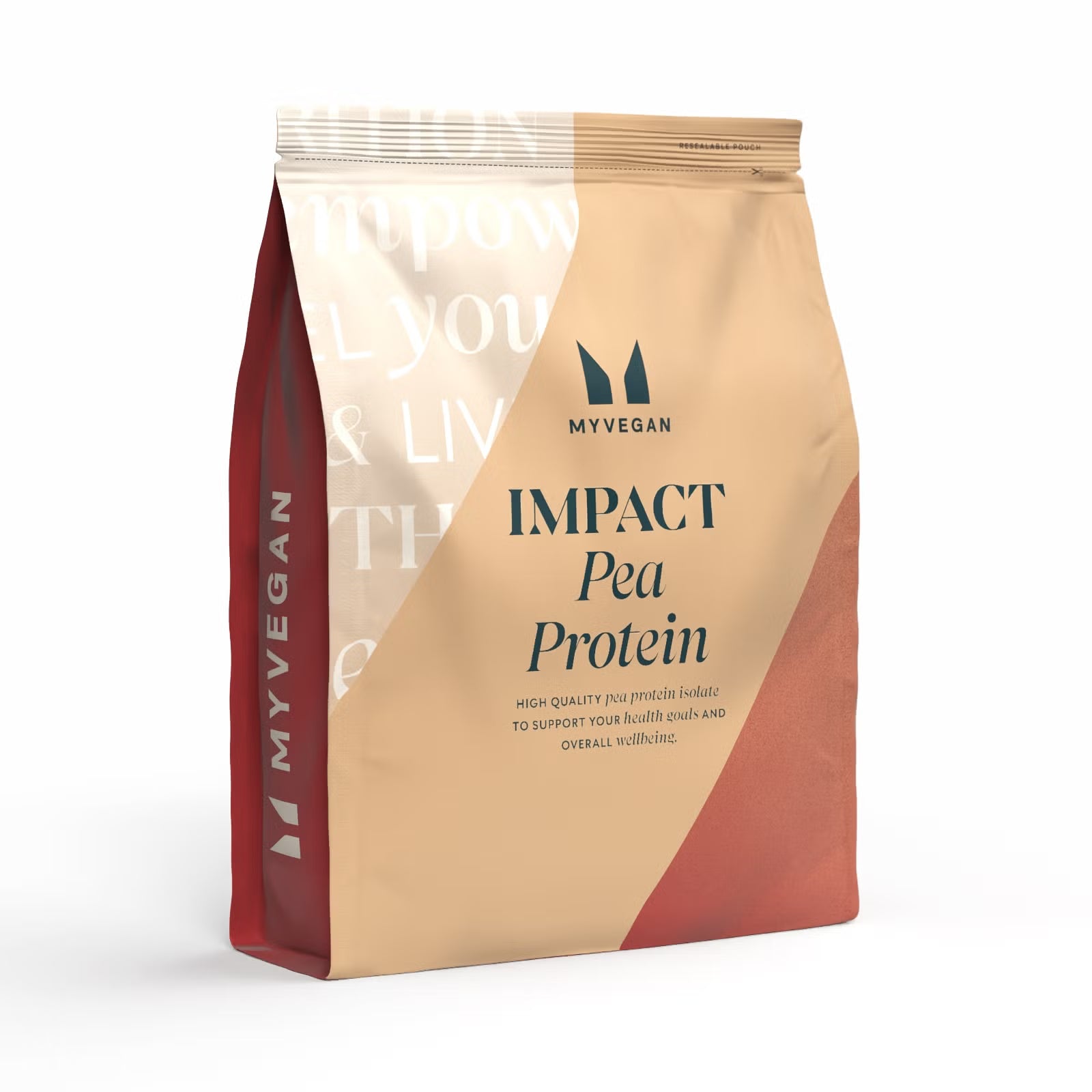
| MyProtein Pea Protein Isolate | Allergen-conscious or dairy-free athletes | Clean isolate, high leucine, low fat |
Every option ships with Racepack SG’s guarantee of product authenticity and next-day delivery within Singapore, which matters when you’re timing a new protein source around a training block rather than guessing at shipping windows.
What Actually Matters When You Pick a Protein
Most research indicates that total protein and leucine dose are stronger predictors of muscle protein synthesis response than the specific protein source. Chasing the “best” protein type wastes energy that’s better spent on hitting your numbers consistently, week after week.
Whey still wins for pure convenience. You don’t have to think about blending or fortification; you scoop, mix, and hit your leucine target almost automatically. Plant protein demands a little more label literacy, but once you know what to look for, a properly formulated blend closes that gap completely. If sustainability or dietary restrictions matter to your long-term plan, that’s a perfectly good reason to build your routine around plant sources from day one rather than treating them as a compromise.
Track your recovery and strength trends over months, not single sessions, and let that data guide your next purchase more than marketing copy does.
— Jason John
Ready to Stock Up on Racepack SG’s Protein Lineup?
Whichever side of the plant protein vs whey decision you land on, Racepack SG carries verified, authentic stock of both, with next-day delivery across Singapore so you’re never waiting on a shipment before your next training block starts.
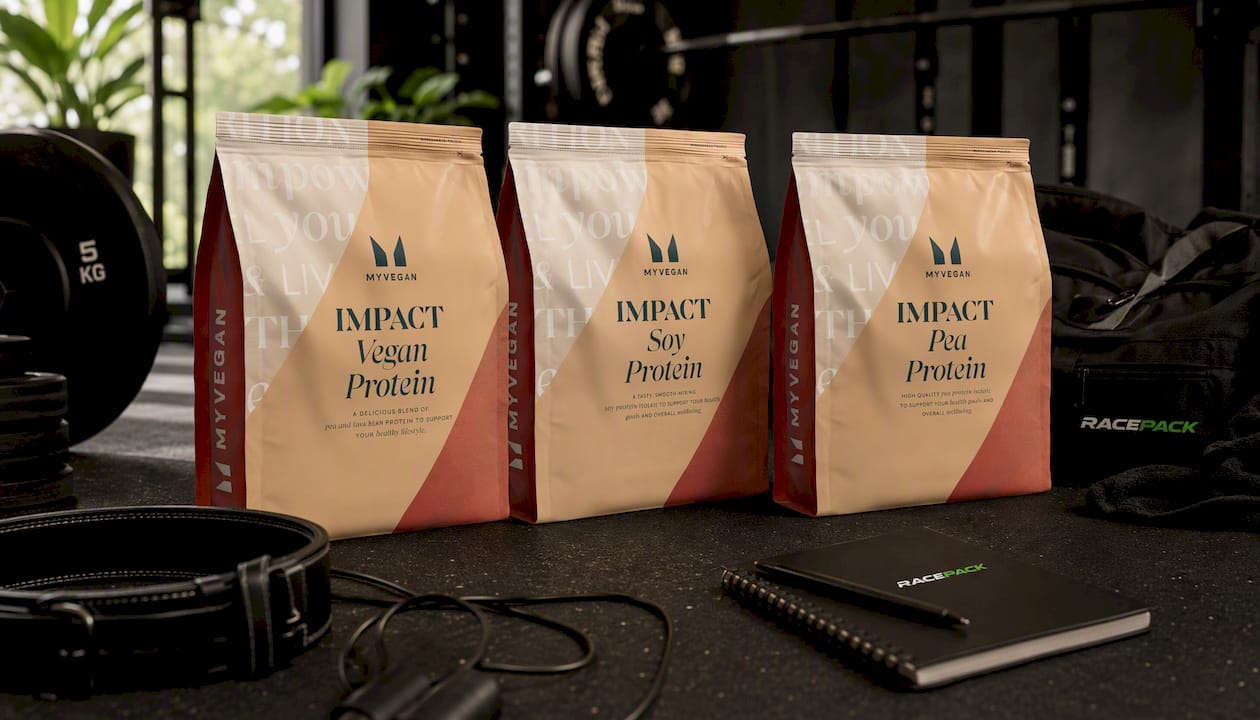
If you’ve decided whey fits your goals, our detailed breakdown on whey protein for muscle repair covers dosing and timing in more depth. If you’re leaning plant-based, the MyProtein Impact Vegan Protein 1kg is our top recommendation for hitting leucine and total protein targets in a single scoop, and it pairs well with the fortification tips covered above. Endurance athletes exploring plant-based fueling can also review our protein guide built specifically for runners for additional context on tolerability during long training weeks.
Every order goes through the same authenticity checks regardless of which product you choose, so you’re never guessing whether what arrives matches what you ordered. Ready to lock in your next tub? Buy Now and have it at your door by tomorrow.
Sources
- Plant protein blend ingestion stimulates post-exercise MyoPS equivalently to whey — PMC
- Plant-Based Protein vs. Whey Protein: Which Is Better? — Healthline
FAQ
Which Is Healthier, Plant Protein or Whey Protein?
Neither is definitively “healthier” for a healthy adult with no allergies. Whey slightly edges out most single plant sources on leucine and EAA completeness, but fortified plant blends close that gap and offer added fiber and phytonutrients whey doesn’t provide.
Can Plant Protein Build Muscle as Effectively as Whey?
Yes, when a plant blend delivers roughly 2.5 grams of leucine and around 32 grams of total protein per serving, research shows it stimulates muscle protein synthesis to a degree statistically equivalent to whey.
What Are the Downsides to Plant Protein Powder?
The main downsides are lower natural leucine content in single-source powders, potential GI discomfort from added gums or sugar alcohols, and a need to combine sources or fortify to match whey’s amino acid completeness.
Why Do Some Athletes Avoid Whey Protein?
Athletes with lactose intolerance, dairy allergies, or vegan diets avoid whey because it’s a dairy-derived protein that naturally contains lactose, which can trigger bloating, gas, or cramping in sensitive individuals.
How Much Leucine Do I Need Per Serving for Muscle Growth?
Most research points to roughly 2.5 grams of leucine per serving as the threshold that maximizes the muscle protein synthesis response, regardless of whether the source is whey or a plant blend.
Is Pea Protein as Good as Whey for Building Muscle?
Studies tracking strength, recovery, and body composition found pea protein produced comparable outcomes to whey when total protein intake was adequate across the training period.
Does Whey Protein Cause More Bloating Than Plant Protein?
It depends on the individual and the formulation. Whey’s bloating is typically lactose-driven, while plant protein bloating usually comes from added gums or fiber; switching to isolate forms of either often resolves the issue.
Can I Combine Whey and Plant Protein in the Same Diet?
Yes, and many athletes do this deliberately to get whey’s convenience around workouts while using plant protein for other meals to add fiber and diversify amino acid sources.
What Protein Powder Does Racepack SG Recommend for Vegan Athletes?
The MyProtein Impact Vegan Protein 1kg is Racepack SG’s top pick for vegan athletes because its multi-source blend is formulated to approach whey’s leucine and amino acid profile.
How Much Protein Should Athletes Eat Per Day?
Most resistance-trained athletes do well on 1.6 to 2.2 grams of protein per kilogram of body weight daily, spread across three to five meals or shakes rather than consumed in one large serving.
Is Soy Protein a Complete Protein Like Whey?
Soy protein is one of the few plant sources considered nutritionally complete on its own, carrying all nine essential amino acids in ratios that approach whey’s profile more closely than pea or rice protein alone.
Do Older Athletes Need More Protein Than Younger Athletes?
Many older athletes experience a blunted response to a given protein dose, often called anabolic resistance, and may need a higher per-meal protein target than younger athletes to achieve the same muscle protein synthesis response.