

400–600 mL Pre Workout: Evidence Led Hydration for Singapore Athletes
Hydration means keeping your body’s water and electrolyte levels balanced enough to support circulation, temperature control, and cellular function. The single most important habit is proactive intake: sip water steadily throughout the day rather than waiting for thirst, add electrolytes when you’re sweating heavily or sick, and treat confusion, fainting, or a racing heart as signs that need urgent medical attention.
TL;DR:
- Most adults need more than the traditional eight glasses of water daily, with women requiring about 11 cups and men around 15.5 cups of total fluids, including food and beverages.
- During prolonged or intense exercise, electrolyte solutions more effectively restore lost sodium and fluids than plain water, especially with sweat rates varying greatly between individuals.
- Early signs of dehydration include thirst, dark urine, and fatigue, but severe cases with confusion or fainting demand urgent medical intervention.
- Building hydration habits around regular, small sips and visual reminders improves consistency and prevents chronic underhydration that taxes kidney and heart health over time.
- Using urine color as a hydration indicator and performing sweat-rate tests helps personalize fluid intake plans, especially for athletes training in heat or humidity.
Table of Contents
- Why Hydration Matters: Physiological Roles and Long-Term Health Links
- How Much Water Should You Drink Each Day?
- What Counts Toward Your Fluid Intake?
- How Should Athletes Hydrate Before, During, and After Training?
- What Are the Warning Signs of Dehydration?
- How Can You Track Your Hydration Level?
- What Are the Best Daily Hydration Habits?
- Which Racepack SG Products Support These Hydration Protocols?
- What I’ve Learned Watching Athletes Get Hydration Wrong
- Ready to Build Your Hydration Kit?
- Where Does This Hydration Guidance Come From?
- Sources
- FAQ
Why Hydration Matters: Physiological Roles and Long-Term Health Links
Water isn’t a passive filler in your body. It’s the medium that makes almost every physiological process possible, and running low on it affects far more than how thirsty you feel.
Blood is roughly 90% water, and that water carries oxygen, nutrients, and hormones to every tissue you have. Drop your fluid volume even slightly and your heart has to work harder to push a thicker, more concentrated bloodstream through the same network of vessels. That’s one reason endurance performance falls off a cliff with even mild fluid loss, long before someone would describe themselves as “dehydrated.”
Water handles several other jobs most people never think about:
- Temperature regulation: sweat evaporation is your body’s primary cooling system, and it runs on water.
- Waste removal: your kidneys need adequate fluid volume to filter and excrete metabolic waste through urine.
- Joint lubrication: cartilage and the fluid inside joints depend on hydration to reduce friction during movement.
- Digestion and nutrient absorption: water helps break down food and moves nutrients through the intestinal wall.
- Cognitive function: brain tissue is highly water-dependent, and even mild fluid loss can measurably slow reaction time and focus.
Your body doesn’t leave any of this to chance. A hormone called vasopressin (also known as antidiuretic hormone) gets released when blood osmolality rises, meaning your blood has become more concentrated because of fluid loss. Vasopressin tells your kidneys to hold onto water, which is why urine gets darker and more concentrated when you’re running low on fluids. This feedback loop is precise, but it’s also reactive. It kicks in after a deficit has already started, not before.
That lag matters for long-term health, not just for how you feel on a given afternoon. Research tracking markers like elevated urine osmolality and chronically raised vasopressin has found associations with higher risk of chronic disease over time, including metabolic and kidney-related conditions. The researchers are careful to note that this is an association, not proof that mild chronic underhydration directly causes disease. Persistent low-grade dehydration appears to keep the body’s conservation systems switched on more often than they should be, and that sustained physiological strain is what scientists are now investigating as a plausible mechanism.
Population data on fluid intake suggests a real gap between guidance and habit. A large share of adults in surveyed populations drink less than recommended levels most days, often without noticing any symptoms serious enough to prompt a change. That’s the trouble with mild, chronic underhydration: it rarely announces itself the way an acute illness does. It just quietly taxes your kidneys, your cardiovascular system, and your energy levels day after day.
None of this means you need to obsess over ounces. It does mean that treating hydration as a background habit rather than an occasional fix, especially if you train hard or live somewhere hot, pays off in ways you won’t necessarily feel until years down the line.
How Much Water Should You Drink Each Day?
Forget the old “eight glasses a day” rule. It’s a rough approximation that ignores body size, activity, climate, and diet, and it undersells what most active adults actually need.
A more useful reference comes from public health guidance suggesting adult women need roughly 11 cups of total fluid per day, and adult men around 15.5 cups. Those totals include everything you consume, not just plain water: coffee, tea, milk, soup, and water-dense foods like fruit and vegetables all count toward the total. Roughly 20% of most people’s daily fluid intake comes from food alone.
Several factors push that baseline higher:
- Exercise: an hour of moderate to intense training can add half a liter to over a liter of fluid loss through sweat, depending on intensity and heat.
- Heat and humidity: hot, humid conditions increase sweat rate even at rest, which raises your baseline fluid need regardless of activity.
- Pregnancy and breastfeeding: fluid needs rise to support increased blood volume and milk production.
- Illness: fever, vomiting, and diarrhea accelerate fluid and electrolyte loss and often call for oral rehydration solutions rather than water alone.
- Altitude: higher elevations increase respiratory water loss and can blunt the thirst response.
- Age: older adults often have a dulled thirst signal, making scheduled intake more important than relying on feeling thirsty.
Instead of chasing an exact number, build a rhythm. Keep a bottle within reach and take a few sips every 30 to 45 minutes rather than downing a large glass twice a day. Pair a sip with existing habits, like each time you sit down at your desk or finish a meeting, so it becomes automatic rather than something you have to remember. On hot days or hard training days, treat that baseline schedule as a floor, not a ceiling, and plan for extra intake before symptoms show up.
What Counts Toward Your Fluid Intake?
Not every drink pulls its weight the same way, and knowing the difference helps you make better choices without overthinking every sip.
Plain water remains the most efficient, lowest-cost option for daily hydration, and it should make up the bulk of what you drink. Milk, tea, and coffee all count too. The old idea that caffeine causes net fluid loss doesn’t hold up well under scrutiny for people who drink it regularly; the diuretic effect is mild and largely offset by the fluid in the beverage itself.
Water-rich foods are an underrated contributor. Cucumbers, watermelon, oranges, and soups can supply a meaningful share of your daily intake, especially if you eat several servings of fruit and vegetables. This is part of why the 11 to 15.5 cup reference range includes food, not just drinks.
Where it gets more nuanced is sugary beverages and alcohol. Soda and sweetened juices do hydrate you, but leaning on them as a primary fluid source adds calories without the nutritional benefit that water or whole foods provide. Alcohol is a genuine diuretic and works against your hydration status rather than contributing to it, so it shouldn’t be counted as fluid intake at all.
Sports drinks and oral rehydration solutions (ORS) occupy a different category entirely. For casual daily hydration, they’re unnecessary. Their real value shows up during prolonged exercise, heavy sweating, or fluid loss from illness, where electrolyte-containing solutions replace both water and lost salts more effectively than water alone. A comparison of sports drink types is worth reading if you’re deciding between an ORS-style formula and a standard electrolyte drink for training or recovery.
How Should Athletes Hydrate Before, During, and After Training?
Athletes lose water and sodium at rates most casual exercisers never experience, and generic advice like “drink when thirsty” doesn’t hold up once sweat rate climbs. A structured approach protects both performance and health.
- Pre-exercise (2 to 3 hours before): drink 400 to 600 milliliters (roughly 14 to 20 ounces) of fluid to start the session well hydrated without feeling waterlogged. A smaller top-up of 150 to 250 milliliters about 20 minutes before start time helps if the weather is hot.
- During exercise (under 60 minutes): plain water at regular intervals, roughly every 15 to 20 minutes, is usually sufficient for shorter, lower-intensity sessions.
- Post-exercise: rehydration targets are typically framed around body-weight loss. For every kilogram (or roughly 2.2 pounds) lost during a session, aim to replace it with about 1.2 to 1.5 liters of fluid, since sweat loss alone underestimates total fluid deficit.
Sweat rate varies enormously between individuals. Two athletes doing the same workout in the same conditions can lose vastly different amounts of fluid, which is why generic “drink X liters per hour” advice only gets you so far. Understanding your own sweat rate through a simple weigh-in test turns vague guidance into a personalized number you can actually plan around.
Electrolyte needs also scale with training load. Athletes doing back-to-back sessions or training in heat lose more sodium than a single workout would suggest, and that’s a good moment to read up on how electrolytes function during high-intensity training so you’re not just replacing water but replacing what you actually lost.
Pro Tip: Weigh yourself before and after a typical hard training session, without clothes, and without going to the bathroom in between. The weight lost, converted to liters, is your sweat rate for that specific effort and gives you a concrete number to build your in-session sip plan around.
What Are the Warning Signs of Dehydration?
Dehydration moves through recognizable stages, and knowing where the line sits between “drink some water” and “get medical help” can genuinely matter.
Early signs are those most people experience occasionally and shouldn’t ignore even though they’re mild:
- Thirst (a signal that’s already lagging behind your actual fluid deficit)
- Dry mouth or dry lips
- Dark yellow urine
- Headache
- Fatigue or reduced concentration
These typically resolve within an hour or two of steady fluid intake. If they don’t, or if they escalate, that’s when dehydration moves into more serious territory.
Severe signs require urgent medical attention and should never be managed at home. Confusion, fainting, a rapid or weak heartbeat, and little to no urination over several hours all indicate the body’s compensatory systems are failing to keep up. At this stage, oral fluids may not be absorbed fast enough, and intravenous fluids administered in a clinical setting may be necessary.
Certain groups face elevated risk and should treat hydration status with extra vigilance. Older adults often have a blunted thirst response, meaning they can be significantly dehydrated before they feel thirsty at all. Young children lose fluid faster relative to their body size and can deteriorate quickly during vomiting or diarrheal illness. Endurance athletes training in heat face compounding losses of both water and sodium, which can produce symptoms that look like simple dehydration but are actually more complex electrolyte imbalances. Anyone managing a chronic illness that affects kidney function or fluid balance should talk to a doctor about what their personal hydration targets should look like, since standard guidance may not apply.
How Can You Track Your Hydration Level?
You don’t need a lab to know roughly where you stand. A few low-effort checks, used consistently, give you a reliable read on your hydration trend.
- Check urine color. Pale yellow, close to the color of straw, is the target. Very dark urine suggests you’re behind on fluids, while completely clear urine isn’t necessarily better and can just mean you’re drinking more than you need. Note that B-vitamin supplements turn urine bright yellow regardless of hydration status, so treat color as a multi-day trend rather than a single-void verdict.
- Don’t rely on thirst alone. Thirst is a lagging indicator, not a leading one. By the time you feel genuinely thirsty, you’re often already a percent or two down on body weight in fluid, which is enough to measurably affect performance. Scheduled sipping beats waiting for the signal, especially for athletes and older adults.
- Run a sweat-rate test for training-specific accuracy. Weigh yourself nude before and after a one-hour session at your typical training intensity. Subtract any fluid you drank during that hour from the weight difference, then convert the result to liters per hour. That number becomes your personal benchmark for how much to drink during similar sessions going forward.
- Watch for compounding signals. Headache plus dark urine plus fatigue together are a stronger signal than any one factor alone, and worth acting on immediately rather than waiting to see if they pass.
None of these methods require special equipment, and used together they’re accurate enough for almost anyone outside of a clinical research setting.
What Are the Best Daily Hydration Habits?
Good hydration habits succeed or fail based on how automatic they become, not how disciplined you feel on any given day.
Start with a bottle you actually like carrying. Keep it visible on your desk, in your bag, or in your car, since visibility alone drives a surprising amount of compliance. Pair sips with existing routines: a few sips when you sit down at your desk, before and after each meal, and whenever you check your phone are all natural cues that don’t require remembering a schedule from scratch.
At work, dehydration often creeps in simply because people get absorbed in tasks and forget to drink for hours. Setting a recurring reminder, or using an app that nudges you every hour, closes that gap without requiring willpower. Traveling adds its own challenges: airplane cabin air is notably dry, and long flights combined with alcohol or caffeine can leave you noticeably behind on fluids by the time you land. Carrying an empty bottle through security and filling it airside is a simple workaround that avoids relying on small in-flight cups.
Heat and humidity change the math considerably. In hot, humid conditions, sweat doesn’t evaporate as efficiently, which means your body sweats more to achieve the same cooling effect, and that extra sweat has to be replaced. Lightweight, moisture-wicking, light-colored clothing reduces heat absorption and helps sweat evaporate more effectively, cutting the total fluid loss for the same activity. Humidity and heat also affect the body in less obvious ways. Local research on how humid weather affects joint stiffness points out that heat and moisture in the air can influence physical comfort and mobility, another reason to stay ahead of fluid losses rather than reacting to them.
Here’s a simple daily framework worth adopting:
- Morning: one full glass of water before coffee, as a reset after overnight fluid loss.
- Midday: a filled bottle within arm’s reach, sipped steadily rather than in large gulps.
- Pre-training: 400 to 600 milliliters roughly two hours before exercise.
- Post-training: rehydrate based on body-weight loss, using electrolytes if the session was long or sweaty.
- Evening: taper intake slightly before bed to avoid disrupting sleep with frequent bathroom trips.
Pro Tip: Fill your water bottle the night before and place it somewhere you’ll see it first thing, like next to your keys or your phone charger. Removing the “get up and find a bottle” step is often the difference between a habit that sticks and one that fizzles out by Wednesday.
Which Racepack SG Products Support These Hydration Protocols?
We built Racepack SG around a simple idea: athletes shouldn’t have to guess which hydration products actually match the science, or wonder whether what they’re buying is genuine. Every electrolyte formula on our shelves is sourced directly from the brands that make it, and every order ships next-day within Singapore, so the gap between “I need to fix my hydration plan” and “it’s in my bag” is as short as we can make it.
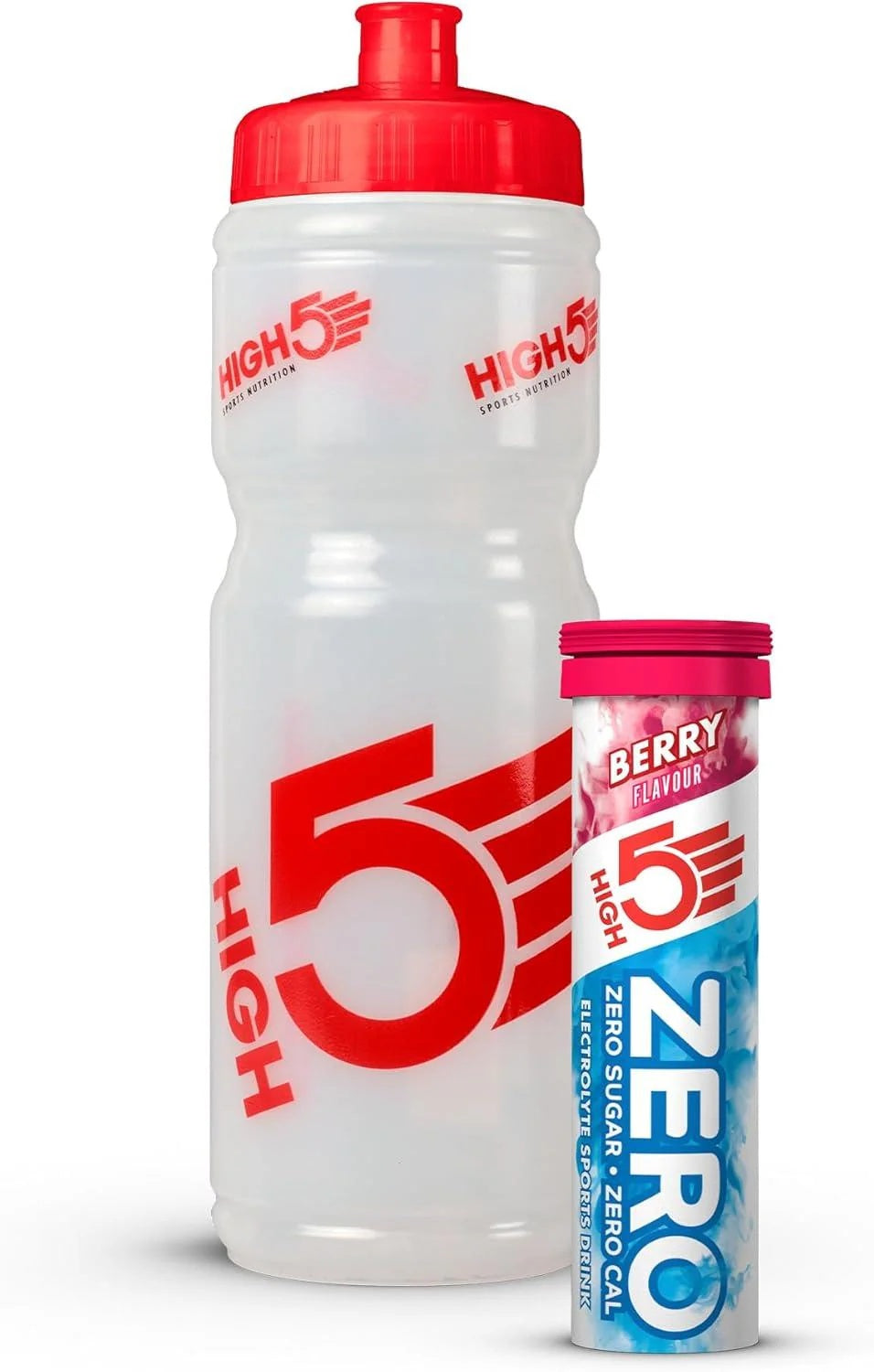
For daily carry and lighter training sessions, the HIGH5 750ml Bottle with 10 Zero Hydration Tablets is a practical starting point. It’s zero-sugar, dissolves quickly, and gives you a ready electrolyte boost for sessions under an hour or for everyday use in hot, humid conditions where sweat losses add up even without hard training.
For longer sessions or heavier sweat loss, we recommend reaching for something with a more complete electrolyte and carbohydrate profile:
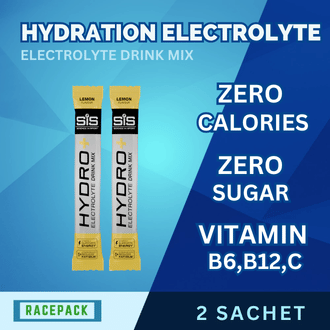
- SiS Hydro+ Electrolyte Powder, pre-measured in sachets, mixes fast and is built for prolonged exercise or post-session recovery when your sodium losses are significant.
- HIGH5 tablets, kept in your gym bag or car, work well as a low-commitment daily habit builder since you can drop one into any bottle without planning ahead.
Both fit directly into the protocols above: HIGH5 for shorter or lower-intensity sessions and daily hydration, and SiS Hydro+ for the long training days, races, or heavy-sweat conditions where plain water alone won’t cut it. Pairing either with a structured rehydration target after training, rather than drinking until you feel fine, is what actually closes the gap between what your body lost and what you’ve replaced. If you’re stacking hydration with post-race recovery, our marathon recovery nutrition guide covers how protein timing fits alongside rehydration.
What I’ve Learned Watching Athletes Get Hydration Wrong
The pattern I see most often isn’t athletes ignoring hydration. It’s athletes treating it as a race-day problem instead of a training-week habit. They’ll nail their pre-race hydration protocol perfectly and then show up dehydrated to a Tuesday tempo run because nobody told them consistency matters more than any single well-executed session.
If you take one thing from all of this, make it a scheduled morning glass of water before coffee, paired with a pre-workout sip 20 minutes before you start moving. That single pairing does more for weekly consistency than any elaborate tracking app, because it turns hydration into a trigger-based habit instead of something you have to consciously remember.
— Jason John
Ready to Build Your Hydration Kit?
Racepack SG gives you a faster, more reliable path to proper hydration than piecing together random bottles from a pharmacy shelf and hoping the electrolyte ratios are right. Every product we carry is sourced as genuine stock from the original brand, and orders placed within Singapore ship the next day, so you’re not stuck waiting a week for a sachet you need this weekend.
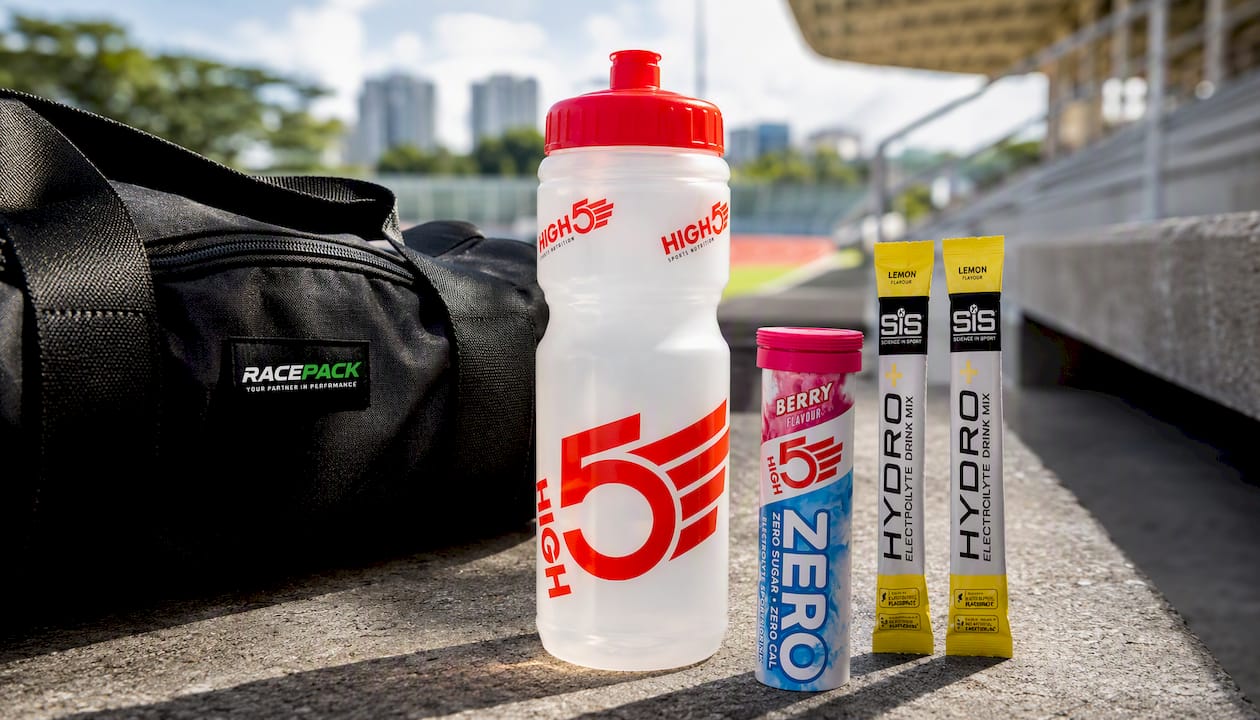
If you’re building a daily hydration routine, start with the HIGH5 750ml Bottle With 10 Zero Hydration Tablets, an easy way to turn any bottle into an electrolyte source without added sugar. Training for something longer, like a marathon or a hot-weather race, pairs well with SiS Hydro+ Electrolyte Powder for sessions where sweat losses climb fast. For race-specific planning, our electrolyte balance guide for marathon training walks through timing in more detail.
Buy Now and get your hydration kit sorted before your next session, with authenticity guaranteed and delivery landing at your door the next day.
Where Does This Hydration Guidance Come From?
The clinical and physiological claims in this guide draw from a small set of sources chosen for their authority and relevance to everyday and athletic hydration needs.
NIH News in Health lays out the clinical progression from early to severe dehydration symptoms, including when intravenous fluids become necessary. PMC’s review on water, hydration, and health explains the physiological case for electrolyte solutions during prolonged fluid loss. NHS guidance on water, drinks, and hydration offers practical, public-health-grade advice on urine color monitoring and everyday fluid choices. Harvard T.H. Chan School of Public Health provides context on why fluid source matters, not just fluid volume. Nature Reviews Nephrology covers the emerging, still-developing research linking chronic underhydration markers to long-term disease risk.
This article is general information, not a substitute for advice from a qualified doctor. Consult a qualified healthcare professional about your own circumstances before acting on anything here.
Sources
- Hydrating for Health | NIH News in Health
- Water, Hydration and Health — PMC
- Water, drinks and hydration — NHS
- How much should you drink every day? — Stony Brook Medicine
FAQ
What Do You Mean by Hydration?
Hydration is the state of having enough water and electrolytes in your body to support normal functions like circulation, temperature regulation, and waste removal. It’s a balance, not just a volume: both water and the sodium, potassium, and other electrolytes dissolved in it matter.
What’s the Best Way to Hydrate Your Body?
The most reliable approach is proactive, steady intake throughout the day rather than large amounts consumed infrequently, using water as your primary fluid source. Add electrolyte solutions like the SiS Hydro+ Electrolyte Powder when you’re sweating heavily, training for over an hour, or recovering from illness.
What Are the Warning Signs of Dehydration?
Early signs include thirst, dry mouth, dark urine, headache, and fatigue. Severe signs, confusion, fainting, a rapid heartbeat, and little or no urine output, indicate a medical emergency and require immediate care rather than home management.
What Hydrates Faster Than Plain Water?
For rapid rehydration during prolonged exercise, illness, or heavy sweat loss, electrolyte-containing solutions and oral rehydration formulas absorb and retain fluid more effectively than plain water because sodium helps drive water absorption in the gut. This is why sports drinks and ORS outperform water alone in these specific situations.
How Much Water Should I Drink Every Day?
General reference ranges suggest about 11 cups of total fluid per day for women and about 15.5 cups for men, including water from food and other beverages. Individual needs vary based on activity level, climate, body size, and health status.
Does Coffee or Tea Count Toward Hydration?
Yes. Coffee and tea contribute to your daily fluid total despite containing caffeine, since the mild diuretic effect is largely offset by the fluid volume in the drink itself. They shouldn’t fully replace water, but there’s no need to subtract them from your intake.
How Do I Know If I’m Drinking Enough Water?
Check your urine color: pale yellow generally indicates adequate hydration, while dark yellow suggests you need more fluid. Keep in mind that certain supplements like B-vitamins can distort urine color, so track the trend over a few days rather than judging from a single bathroom visit.
How Much Water Should Athletes Drink Before a Workout?
A practical starting point is 400 to 600 milliliters (about 14 to 20 ounces) two to three hours before exercise, with a smaller top-up closer to start time in hot conditions. Running a personal sweat-rate test gives you a more precise number tailored to your own training sessions.
When Should I Use Electrolyte Tablets Instead of Water?
Reach for electrolyte tablets or powders when you’re exercising for longer than an hour, sweating heavily, training in heat, or recovering from a stomach illness. For shorter, lower-intensity activity, plain water is usually sufficient.
Can You Drink Too Much Water?
Yes, though it’s uncommon outside of extreme cases like ultra-endurance events without adequate sodium intake. Overhydration can dilute blood sodium levels, which is part of why endurance athletes are advised to include electrolytes rather than plain water alone during very long efforts.
Is Thirst a Reliable Sign of Dehydration?
Not entirely. Thirst tends to lag behind your actual fluid deficit, meaning you can already be measurably dehydrated before you feel thirsty. Scheduled sipping throughout the day is a more reliable strategy than waiting for the thirst signal, especially for older adults and athletes.
What Should I Drink After an Intense Workout?
Rehydrate based on how much body weight you lost during the session, aiming to replace roughly 1.2 to 1.5 liters for every kilogram lost. A pre-mixed electrolyte powder is an efficient way to hit sodium targets alongside fluid replacement after a heavy-sweat session.