

Wellness for Endurance Athletes: The Performance Playbook
Four rules drive performance wellness for endurance athletes: eat roughly 1.8 grams of protein per kilogram of body weight daily, keep body-mass loss under 2% during training, replace 125–150% of lost fluid afterward, and take in 30–90 grams of carbohydrate per hour during long efforts. Get those four right and everything else, sleep, stress, mobility, becomes a multiplier instead of a crutch.
Here are the four parts of the rule in practice:
- Protein: ~1.8 g/kg body mass/day, with 15–30 g in the post-exercise window
- Hydration: limit session loss to <2% of body mass; replace 125–150% of fluid lost once you’re done
- In-race fueling: 30–90 g carbohydrate per hour, scaled to event length and gut tolerance
- Product mapping: gels for the carbohydrate rate, a recovery powder for the post-session protein hit, electrolyte sachets for sodium, and a GPS watch to track the pacing and effort that make all three numbers meaningful
That’s the whole framework. The rest of this guide breaks down why those numbers hold up, how to personalize them, and exactly which products on Racepack SG match each piece.
Key Takeaways
Performance wellness comes down to hitting four measurable targets consistently: daily protein, session hydration loss, post-exercise fluid replacement, and hourly race-day carbohydrate intake.
| Point | Details |
|---|---|
| Daily protein target | Aim for about 1.8 g/kg body mass per day, rising above 2.0 g/kg during carb-restricted training blocks. |
| Hydration discipline | Keep in-session body-mass loss under 2% and replace 125–150% of lost fluid afterward. |
| In-race carbohydrate rate | Target 30–90 g of carbohydrate per hour depending on event length and gut tolerance. |
| Test before race day | Practice fueling and hydration plans in training, since individual sweat rate and gut tolerance vary widely. |
| Racepack SG product mapping | Racepack SG offers verified GU gels, HIGH5 electrolytes, SiS recovery powder, and MyProtein supplements with next-day delivery in Singapore to implement this plan immediately. |
Table of Contents
- How Much Protein Do Endurance Athletes Actually Need?
- What Hydration Targets Should You Actually Follow?
- How Should You Fuel During a Race?
- Which Recovery Supplements Actually Help?
- Racepack SG’s Role in Getting This Plan Right
- What Does Wellness Actually Mean for an Athlete?
- Why Does Sleep Quality Matter So Much for Performance?
- Which Stress Management Techniques Actually Work?
- What Are the Nutrition Basics Beyond Race Fueling?
- How Can Mindfulness Support Mental Health in Training?
- How Much Physical Activity Do You Need Beyond Training?
- A Performance-First Take on Wellness
- Build Your Wellness Kit With Racepack SG
- Sources
- FAQ
How Much Protein Do Endurance Athletes Actually Need?
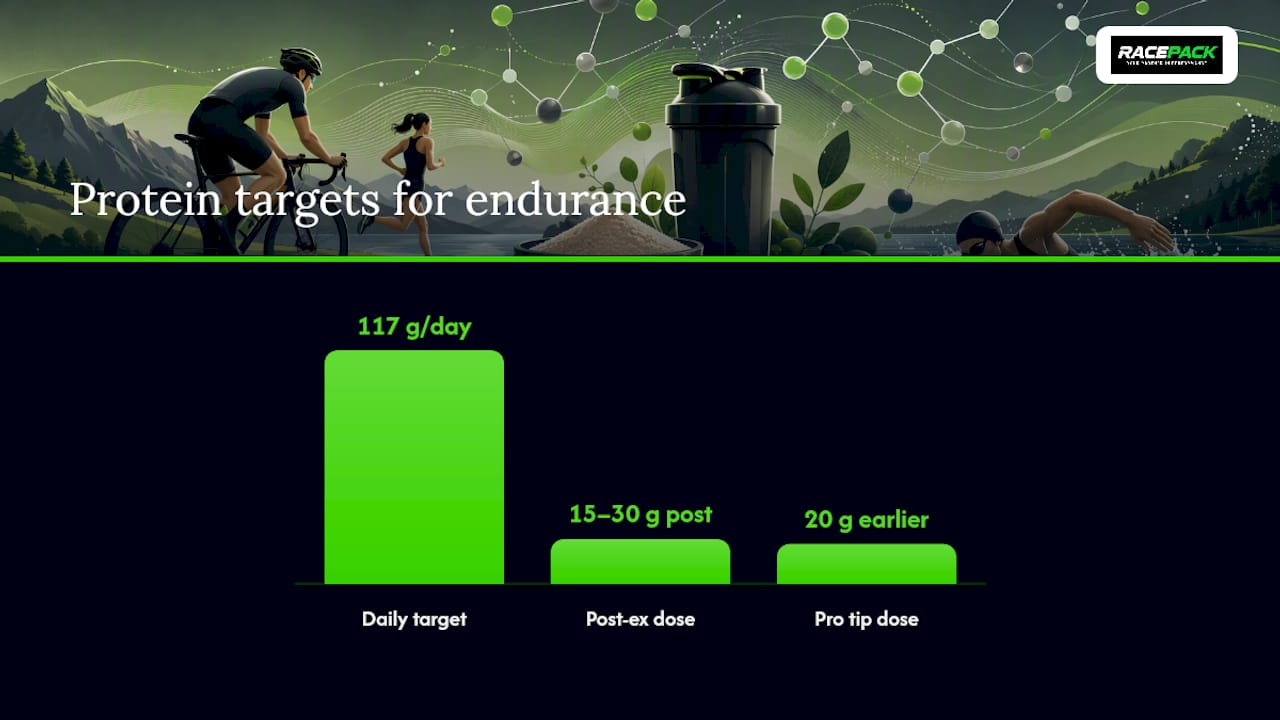
Most recreational runners and cyclists under-eat protein because they think of it as a bodybuilder’s macro. It isn’t. Endurance training breaks down muscle protein just as much as resistance training does, and research on protein requirements for endurance athletes puts the daily target at approximately 1.8 grams per kilogram of body mass. A 65-kilogram runner needs roughly 117 grams a day, spread out rather than dumped into one meal.
That number can be higher in specific windows such as carbohydrate-restricted training blocks, heavy rest-and-recovery days, or periods where calorie intake is reduced. Protein becomes the insurance policy that keeps muscle intact when carbohydrate availability drops.
Timing matters almost as much as the daily total. Aim for 15 to 30 grams of high-quality protein within the post-exercise window, then repeat that dose every three to four hours across the day rather than saving it all for dinner. Muscle protein synthesis responds better to steady, even distribution than to one oversized serving.
Practical sourcing:
- Whole foods first: eggs, dairy, poultry, fish, and legumes cover most athletes’ needs without a shopping cart full of tubs.
- Supplements fill the gaps when convenience, digestion speed, or calorie control matters more than a full meal.
- Plant-based athletes need a slightly higher total protein intake to match essential amino acid profiles, since single plant sources are rarely complete.
For a fast, low-fuss option, MyProtein Pea Protein Isolate 2.5kg comes with a shaker and creatine sachet built in, making it a practical pick for vegan or lactose-sensitive athletes who still want a fast post-run shake. When you need amino acids without the full protein load, such as during a long training block or a cut, MyProtein EAA Powder 360g delivers essential aminos in a lighter, faster-absorbing format. Both pair well with the periodized approach covered in our sport nutrition periodization guide.
Pro Tip: If your dinner is your biggest protein hit of the day, you’re likely missing the muscle-repair window that follows your afternoon session. Move a 20-gram dose earlier and let dinner do less heavy lifting.
What Hydration Targets Should You Actually Follow?
Sweat loss is one of the few training variables you can measure in your own bathroom, and most athletes never bother. A simple pre and post-session body-weight check tells you more about your real fluid needs than any generic “eight glasses a day” rule ever will.
Here’s the test:
- Weigh yourself nude immediately before a standardized 60-minute run or ride.
- Track any fluid consumed during the session.
- Weigh yourself again immediately after, accounting for a bathroom stop if needed.
- The weight difference, adjusted for fluid intake, is your sweat rate in liters per hour.
Once you know that number, the rehydration guidance from sports medicine consensus statements gets specific: keep body-mass loss under 2% during the session itself, and replace 125 to 150% of whatever you lost once you’re done. Lose one kilogram of body mass during a long run, and you need 1.25 to 1.5 liters of fluid back in the following hours, not just a single bottle.
Sodium is an important component often overlooked. Typical rehydration targets include moderate sodium concentrations, with higher amounts needed in conditions of heavy sweating and heat. Under-replacing sodium while over-drinking plain water is exactly how exercise-associated hyponatremia happens, and it’s more common in slower, longer events than most runners assume.
How this maps to products:
- For daily training sessions and moderate heat, HIGH5 ZERO+ Multivitamins/Ultra Electrolytes sachets cover baseline electrolyte replacement without added sugar.
- For long, hot sessions where sweat rate runs high, a stronger HIGH5 isotonic hydration drink delivers carbohydrate and sodium together.
- For travel or race-day convenience, the HIGH5 750ml bottle with Zero hydration tablets lets you mix on the go without carrying powder tubs.
Pro Tip: Weigh yourself before and after your longest weekly session for three weeks straight. Sweat rate varies with heat, humidity, and fitness, so one test won’t cut it, but three will give you a number worth trusting.
How Should You Fuel During a Race?
Carbohydrate needs scale directly with how long you’re out there. Sessions under an hour rarely need in-race fueling at all. Once you cross the one-to-two-hour mark, 30 to 60 grams of carbohydrate per hour becomes the standard target. Push past two to three hours, and that number can climb toward 90 g/h, but only if you’re using multiple transportable carbohydrate sources (glucose plus fructose blends) rather than a single sugar type, since your gut absorbs mixed sources faster than one alone.
Concentration matters as much as quantity. A 3–8% carbohydrate solution hits the sweet spot for absorption without triggering the sloshing, cramping, or nausea that comes from drinks mixed too strong. This is exactly why gut training, practicing your race-day intake during long training runs, matters more than most training plans admit. Your stomach adapts to processing carbohydrate at higher rates, but only with repeated exposure.
Race-week and race-day checklist:
- Eat a carbohydrate-focused meal 2–4 hours before the start.
- Take a small, familiar snack or gel 15–30 minutes before the gun.
- Plan your hourly intake in writing: which gel, at which mile marker, with how much water.
- Match electrolyte timing to heat and sweat rate, not a fixed schedule.
- Test your entire plan at least twice in training before race day.
For the fueling itself, a full box like GU Energy Gel 24 Gels covers a marathon training block without reordering mid-cycle, while the GU Energy Gel 6/12/24 Pack options let you scale to a single race or a full season. If you’re still dialing in flavors or caffeine tolerance, the GU Energy Gel single pack option lets you test before committing to a full case. Browse the full energy gel collection to build a rotation that matches your gut training, and see our fuel during training runs guide for a deeper breakdown of gut training progressions.
Which Recovery Supplements Actually Help?
Most recovery supplements sold to endurance athletes have thin evidence behind them. A short list actually holds up, and it’s worth knowing the difference before you spend money chasing marketing claims.
Carbohydrate remains the primary driver of glycogen resynthesis after exercise, but adding 15 to 30 grams of protein speeds recovery further when your carbohydrate intake is suboptimal, which is common when appetite drops after a hard session. That combination works best within the first two hours post-exercise, while your muscles are primed to absorb both.
Beyond that window, three supplements have genuine backing for specific use cases:
- Creatine supports power output and may aid glycogen storage, useful during heavy training blocks rather than as a race-day addition.
- Caffeine improves perceived effort and endurance performance, particularly useful in the final quarter of a long race or session.
- Sodium bicarbonate can buffer acid buildup during high-intensity efforts, though it carries GI side effects that require testing in training first, never on race day cold.
When recovery windows run under 24 hours, such as a two-a-day training block or a multi-day stage race, prioritizing rapid carbohydrate and that 15–30 gram protein dose becomes even more important, and creatine or caffeine timing should align with your next session, not just habit.
Cow’s milk remains one of the most underrated recovery beverages available, offering a natural carbohydrate-protein ratio that performs well in beverage rehydration research. For a purpose-built option, SiS REGO Rapid Recovery mixes high-quality protein with carbohydrate in one scoop, and MyProtein EAA Powder works well stacked into a shake when you want amino acids without extra calories.
Racepack SG’s Role in Getting This Plan Right
Racepack SG blog author Jason John has spent this article walking through the science, and the practical piece is just as important: none of these targets matter if the product in your hand isn’t what the label says it is.
Racepack SG guarantees product authenticity and offers next-day delivery across Singapore, which matters when you’re implementing a plan this specific. Independent testing and certified sourcing are part of responsible supplement guidance for athletes, and buying from a source that stands behind authenticity removes one variable from an already complicated equation.
Here’s the direct mapping if you’re building your kit today:
- In-race fueling: GU Energy Gels, sized to your race or training block
- Post-session protein: SiS REGO Rapid Recovery or MyProtein Pea Protein Isolate
- Hydration and sodium: HIGH5 ZERO+ sachets or isotonic drink
- Amino support: MyProtein EAA Powder
- Pacing and tracking: a Garmin Forerunner 165 to log the effort data that makes your sweat-rate and fueling numbers meaningful over time
A protein target on paper does nothing for you. The gap between knowing 1.8 g/kg and actually hitting it every day is where most training plans quietly fail.
What Does Wellness Actually Mean for an Athlete?
Wellness for a competitive runner or cyclist isn’t a spa day. It’s the working balance of four connected systems: physical, mental, emotional, and social, and neglecting any one of them eventually shows up in your training log.
Physical wellness is the layer most athletes already track: nutrition, hydration, sleep, and injury prevention. Mental wellness covers focus, motivation, and the internal dialogue that either gets you out the door on a rainy 5 a.m. or talks you back into bed. Emotional wellness is the ability to process a bad race or a missed goal without it bleeding into every session after. Social wellness, often ignored entirely, is whether your training life connects you to other people or isolates you from them.
These four layers interact constantly. A runner who’s physically fit but emotionally burned out from chasing a PR often underperforms relative to their fitness. Someone mentally sharp but training alone, with no accountability or shared experience, tends to drop off training plans faster than those in a group or with a coach.
Endurance sport tends to attract people who over-index on the physical layer because it’s the most measurable. Pace, power, and heart rate all show up on a watch. Mood, connection, and recovery quality don’t have a dashboard, which is exactly why they get ignored until something breaks. Treating wellness as a whole system, not just a training log, is what separates athletes who last a decade from those who burn out in two years.
Why Does Sleep Quality Matter So Much for Performance?
Sleep is the recovery tool most endurance athletes underrate, and it’s also the one with the fewest excuses for skipping. No supplement, gel, or recovery powder compensates for chronically short or fragmented sleep.
During deep sleep, the body releases the growth hormone that drives muscle repair and glycogen restoration, the same processes your post-exercise protein and carbohydrate intake are designed to support. Skip the sleep, and you’re feeding a repair system that isn’t running at full capacity. Athletes who consistently sleep under six or seven hours a night tend to show slower reaction times, reduced power output, and a higher perceived effort at the same training pace compared to well-rested sessions.
Sleep also governs appetite regulation and decision-making, which is why poor sleep so often shows up as poor food choices the next day. That’s not a willpower failure. It’s a hormonal one, driven by disrupted ghrelin and leptin signaling.
Practical sleep habits for athletes training hard:
- Keep a consistent wake time, even on rest days, since irregular sleep timing disrupts recovery more than a shorter total sleep duration.
- Avoid caffeine within six hours of bedtime, especially if you’re already using caffeine strategically in training or racing.
- Treat a hard training week as a signal to protect sleep more, not less. This is the exact window most athletes cut sleep to fit in extra volume.
- Cool, dark rooms consistently support deeper sleep stages than screens-on, ambient-light environments.
Sleep isn’t a passive backdrop to training. It’s an active recovery tool that determines whether your protein and carbohydrate strategy actually gets used.
Which Stress Management Techniques Actually Work?
Training stress and life stress draw from the same recovery reserve, and most athletes only budget for one of them. A hard interval session and a stressful work deadline both raise cortisol, and your body doesn’t distinguish neatly between the two when it comes to recovery capacity.
Breathing-based techniques are the simplest entry point. Slow, controlled breathing, four seconds in, six seconds out, for even five minutes, activates the parasympathetic nervous system and measurably lowers heart rate and perceived stress. It costs nothing and works during a stressful commute as well as it does the night before a race.
Mindfulness practices, structured attention to the present moment without judgment, have a growing track record in athletic populations for reducing pre-competition anxiety and improving focus during long events. You don’t need an hour-long meditation practice. Ten minutes of focused breathing or a body-scan exercise before a key session builds the same skill you’ll need to manage discomfort in the final miles of a race.
Other proven stress relief techniques worth building into a training week:
- Time in nature, even a short walk, measurably lowers cortisol compared to indoor environments.
- Journaling after hard sessions or stressful days helps offload mental load rather than carrying it into the next training block.
- Social connection, training partners, a coach, or a running club, buffers stress in ways solo training can’t replicate.
- Deliberate rest days that are actually restful, not just lower-intensity training, prevent stress from accumulating unnoticed.
Ignoring training stress until it shows up as a plateau or an injury is one of the most common and preventable mistakes in endurance sport.
What Are the Nutrition Basics Beyond Race Fueling?
Everything covered so far, protein targets, carbohydrate timing, hydration, sits on top of a foundation most athletes skip: a genuinely balanced diet across the whole week, not just around workouts.
A balanced plate for an endurance athlete still needs the basics that apply to anyone: a mix of vegetables and fruit for micronutrients and fiber, whole grains for sustained energy, lean protein sources spread through the day, and healthy fats from sources like olive oil, nuts, and fatty fish. Training volume increases calorie needs, but it doesn’t change the underlying architecture of a healthy diet.
Micronutrients deserve more attention than they get. Iron deficiency is common in endurance athletes, particularly female runners, and shows up as unexplained fatigue or declining performance well before a blood test confirms it. Calcium and vitamin D matter for bone density, especially in high-impact sports like running where stress fractures are a real risk. B vitamins support the energy metabolism pathways that high training volume leans on heavily.
Omega-3 fatty acids, found in fatty fish or supplemented separately, support the anti-inflammatory processes your body relies on to recover from repeated training stress. A general multivitamin can help cover gaps during high-volume training blocks, but it’s a backstop, not a substitute for a genuinely varied diet.
The mistake most serious athletes make isn’t ignoring nutrition. It’s narrowing it too far, obsessing over grams of protein and carbohydrate around workouts while eating poorly everywhere else in the day.
How Can Mindfulness Support Mental Health in Training?
Mental health strategies for athletes overlap heavily with the stress management techniques already covered, but they deserve their own attention because chronic under-recovery in the mind is just as real as under-recovery in the muscles.
Cognitive strategies like positive self-talk and goal reframing help during the hardest parts of training and racing. Replacing “I can’t keep this pace” with “this pace is hard right now” sounds like a small linguistic shift, but it changes how the brain processes discomfort during sustained effort. Athletes who train this skill in practice sessions use it more effectively under race pressure.
Mindfulness practices, specifically, teach a skill that transfers directly to endurance performance: observing discomfort without immediately reacting to it. That’s the exact mental process required to hold pace through mile 20 of a marathon instead of panicking and slowing prematurely.
Setting process goals rather than only outcome goals also protects mental health. A goal like “hit my planned fueling and pacing splits” gives you control and a sense of accomplishment regardless of the final time, while an outcome goal like “break four hours” leaves you with nothing if the day goes wrong for reasons outside your control.
Professional support matters too. Sports psychologists and licensed therapists work with recreational and competitive athletes on performance anxiety, identity tied too tightly to results, and burnout, issues that are common in endurance sport but rarely discussed openly. Seeking that support isn’t a sign of weakness. It’s the same logic as hiring a coach for your training plan, applied to the mental side of the sport.
How Much Physical Activity Do You Need Beyond Training?
Endurance athletes often assume their sport covers all their movement needs, but running or cycling volume doesn’t replace general physical activity guidelines, and it can actually mask gaps in strength and mobility.
General health guidelines recommend at least 150 minutes of moderate aerobic activity per week for adults, a bar most endurance athletes clear many times over through training alone. The gap isn’t aerobic volume. It’s strength training, which most distance-focused athletes skip because it doesn’t feel like “real” training.
Two strength sessions a week, focused on the posterior chain, hips, and core, reduce injury risk substantially in runners and cyclists, since repetitive-motion sports create muscular imbalances that strength work directly corrects. Mobility work, even 10 minutes a day, keeps joints moving through full range as training volume climbs, preventing the stiffness that gradually limits stride length or pedal efficiency.
Active recovery, walking, easy swimming, gentle cycling, on rest days keeps blood flow moving without adding training stress, and it often does more for how you feel the next day than complete inactivity.
The broader point: physical wellness beyond endurance training isn’t about doing more cardio. It’s about filling the gaps your sport doesn’t cover, strength, mobility, and low-intensity movement, so your body holds up over years of training, not just one race cycle.
A Performance-First Take on Wellness
Most wellness content aimed at athletes treats nutrition science like a menu of optional upgrades. It isn’t. The protein target of 1.8 g/kg, the 2% hydration ceiling, and the 30–90 g/h carbohydrate range aren’t suggestions, they’re the baseline that makes everything else, sleep, stress management, strength work, actually pay off.
Where conventional advice falls short is the assumption that group averages apply to you unchanged. Precision nutrition research is clear that sweat rate, gut tolerance, and protein response vary meaningfully between individuals. A guideline is a starting point, not a verdict, and the athletes who improve fastest are the ones who test their own numbers in training rather than trusting a textbook figure blindly.
If you take one thing from this playbook, prioritize testing over guessing. Run the sweat-rate test. Practice your race-day fueling in training. Track how your body actually responds to 20 grams of protein versus 30. The frameworks here are evidence-based starting points, but your training log, not a study average, is what tells you if they’re working for you.
Build Your Wellness Kit With Racepack SG
Reading the research is one thing. Having the right product on hand when your next long run starts at 6 a.m. is another. Racepack SG exists precisely for that gap: authenticated GU, HIGH5, SiS, MyProtein, and Garmin products, with next-day delivery across Singapore, so the plan in this article doesn’t stall out waiting on a slow international shipment.
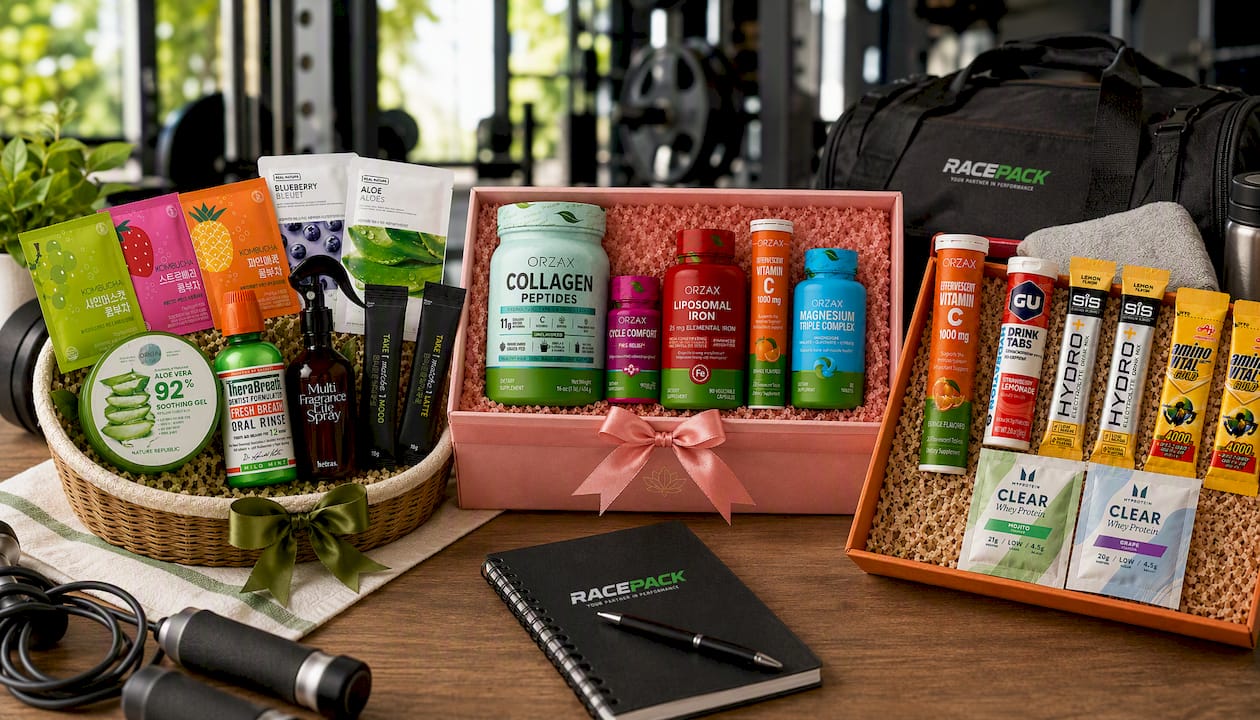
Whether you’re filling a race vest with gels for a marathon block, stocking electrolyte sachets for a humid training cycle, or picking up a recovery powder to hit that post-run protein window, every product mapped in this guide is available and verified for authenticity on Racepack SG. If you’re still deciding on pack sizes, start with the GU Energy Gel 6/12/24 Pack to match your training volume without over-ordering, or explore the full energy drinks range to build out your hydration strategy alongside it.
Ready to put the plan into action? Buy now on Racepack SG and get your fueling, hydration, and recovery kit delivered before your next big session.
Sources
- Protein requirements of endurance athletes — PubMed
- Hydration and electrolyte guidance (NATA consensus) — PMC
FAQ
What is the ideal daily protein intake for endurance athletes?
Endurance athletes should target roughly 1.8 grams of protein per kilogram of body mass daily, rising above 2.0 g/kg during carbohydrate-restricted training or heavy rest periods.
How much fluid should I drink after a long training session?
Replace 125% to 150% of the body mass you lost during exercise, calculated from a simple pre and post-session weigh-in.
How many carbohydrates do I need during a race?
Most events call for 30 to 90 grams of carbohydrate per hour, scaling up with event length and using multiple carbohydrate sources for the higher end of that range.
What is exercise-associated hyponatremia and how do I avoid it?
It’s a dangerous drop in blood sodium from over-drinking plain water without enough sodium replacement, and increasing your electrolyte concentration above 575 mg/L in hot, high-sweat conditions helps prevent it.
Should I take creatine as an endurance athlete?
Creatine can support power output and glycogen storage during heavy training blocks, though it’s better suited to training phases than race day itself.
How soon after exercise should I eat protein?
Aim for 15 to 30 grams of high-quality protein within the post-exercise window, then repeat every three to four hours throughout the day.
What products does Racepack SG recommend for race-day fueling?
Racepack SG offers GU Energy Gels in single packs and full boxes for in-race carbohydrate, paired with HIGH5 electrolyte sachets for sodium replacement.
Can I use a GPS watch to help manage my hydration and fueling plan?
Yes. Devices like the Garmin Forerunner 165 track pace, heart rate, and session duration, giving you the data needed to correlate fueling and hydration choices with performance.
Is sleep really part of athletic wellness or just general health advice?
Sleep directly affects muscle repair, glycogen restoration, and appetite regulation, making it as central to athletic recovery as post-exercise nutrition.
What’s the difference between wellness and just training hard?
Wellness includes physical, mental, emotional, and social health together, while training volume alone only addresses the physical layer and often ignores the other three.
How do I know my personal sweat rate?
Weigh yourself nude before and after a standardized session, factoring in any fluid consumed, and repeat it across a few sessions to get a reliable average.
Does Racepack SG guarantee authentic products?
Yes, Racepack SG guarantees product authenticity on every order along with next-day delivery within Singapore, which matters for athletes relying on verified sports nutrition brands.