

Marathon Fueling Stations Guide for Race Organizers
Every well-run marathon fueling station stocks the same core mix: plain water, an isotonic sports drink, sealed single-serve carbohydrate sources delivering 30–60 g of carbohydrate per hour per runner (energy gels or chews), and a sodium or electrolyte option to reduce hyponatremia risk. That combination satisfies ACSM endurance-event guidance, World Athletics medical standards, and basic anti-doping traceability requirements. Sealed single-serve packaging is the priority; bulk dispensing into open cups is a secondary fallback only.
Minimum effective product mix at a glance:
- Plain water (cups or sealed bottles)
- Isotonic sports drink (200–500 mg/L sodium)
- Energy gels or chews (20–36 g carbs per serving, sealed)
- Electrolyte tablets or powder sachets
- Simple solids at select stations (banana halves, pretzels) for mid-pack and slower runners
Key Takeaways
Stocking a marathon fueling station correctly means combining water, an isotonic sports drink with 200–500 mg/L sodium, sealed single-serve gels delivering 20–36 g carbs each, and an electrolyte option at every station from mile 6 onward.
| ACSM carbohydrate target | Plan for 30–60 g CHO/hr per runner during events over one hour; at 25 g per gel, this means advising 1–2 gels per hour, but check individual product carb content to ensure total intake per hour meets the target. | Per-station fluid volume | Use 175 mL per cup, 2–4 cups per runner per station; add 20% buffer for spillage. | | Gel count per runner | Stock 6–7 gels per runner for a 4-hour finish; scale up for warm weather or slower fields. | | Sealed single-serve required | Sealed packaging with batch codes satisfies World Athletics anti-doping and hygiene standards. | | RacepackSingapore starter kit | The Maurten Full Marathon Starter Kit covers gels and drink mix for roughly 10–15 runners per kit. |
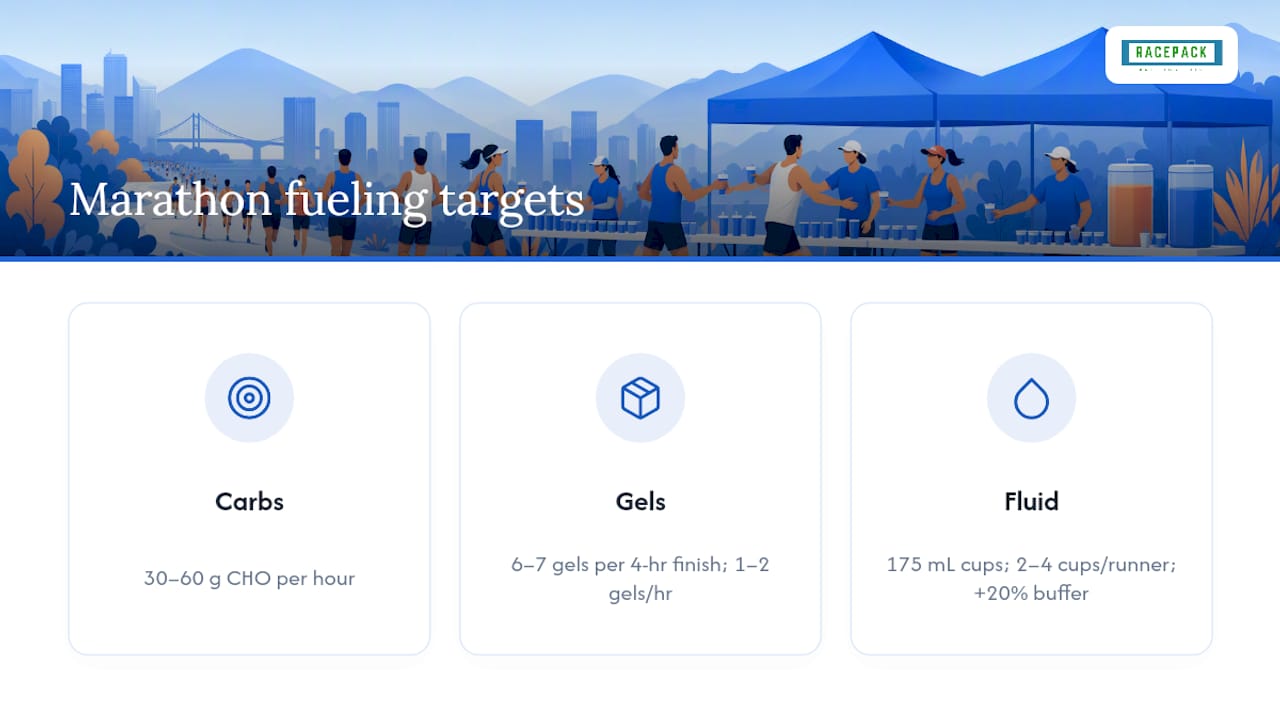
Table of Contents
- What product types should you stock at fueling stations?
- How do you calculate quantities for each station?
- How should you handle serving formats and hygiene?
- What criteria should you use to select products?
- What should each fueling station offer at different race phases?
- What medical and anti-doping rules apply to fueling stations?
- Practical tips from a sports-nutrition retailer
- How do you manage waste and environmental impact at fueling stations?
- What most organizers get wrong about fueling station planning
- Stock your stations with the right products from RacepackSingapore
- Sources
- FAQ
What product types should you stock at fueling stations?
Each category in a marathon volunteer fueling stations guide serves a distinct physiological role. Knowing what each one does helps you prioritize budget and shelf space.
Plain water is non-negotiable at every station. It dilutes concentrated gels, supports core temperature regulation, and costs the least per serving. Use pre-filled cups or sealed 500 mL bottles depending on your contamination risk tolerance.
Isotonic sports drinks supply both fluid and carbohydrates simultaneously. Target formulations with 200–500 mg/L sodium for events where heavy sweating is expected. Drinks in this range replace electrolytes without creating the hypertonic gut load that causes cramping. Sodium in drinks reduces the risk of exercise-associated hyponatremia and improves water absorption, so plan for sodium availability at multiple stations rather than only water.
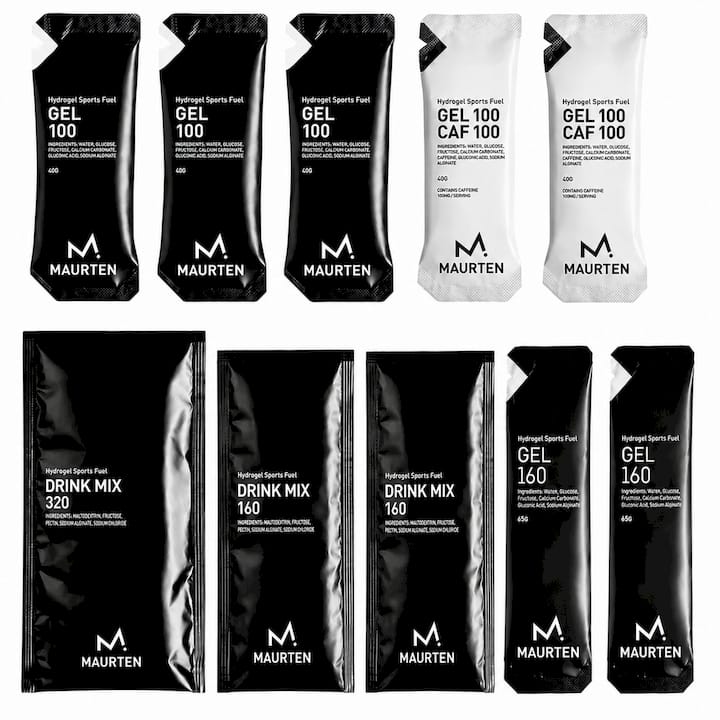
Energy gels are the most space-efficient carbohydrate source. Gels typically contain 20–36 g of carbohydrate per serving and are designed for on-the-move consumption. The Maurten Full Marathon Starter Kit is a strong starting point for organizers: Maurten’s hydrogel technology buffers the carbohydrate in a gel matrix that requires no extra water for absorption, reducing GI distress risk. Always pair gels with plain water at the station, not sports drink, to avoid stacking hypertonic loads.
Chews and blocks (such as GU Chews or SIS BETA Fuel Chews) offer a solid-food texture that some runners strongly prefer after mile 16. They deliver roughly 20–25 g carbs per serving and are easy to portion into single-serve bags.
Electrolyte tablets or powder sachets give runners a sodium top-up without extra calories. Products like Maurten’s Drink Mix or standalone electrolyte sachets let runners self-dose. For electrolyte science and field recommendations, the sodium-per-serving callout on the label is the number to check.
Simple solids (banana halves, pretzels, boiled potatoes with salt) belong at stations from mile 13 onward, primarily for runners pacing 4+ hours. They provide variety, digestible carbs, and sodium. Keep them in sealed trays or individual portions; never leave them in open communal bowls.
Pro Tip: Avoid open communal jugs or unsealed buffet trays entirely. A single contamination event can affect dozens of runners and creates anti-doping liability. Sealed single-serve is always the safer procurement decision.
How do you calculate quantities for each station?
The NSCA fluid-station standardization review provides the most reliable empirical baseline: plan for 50–132 mL of fluid per runner per kilometer, with station intervals of 2–5 km. For practical ordering, translate that into cups per station using 150–200 mL per cup as your fill volume.
Simple per-station formula:
- Multiply total runners by expected cups per station (plan 2–4 cups per runner per station in warm weather, 1–2 in cool conditions).
- Multiply cups by fill volume (175 mL average) to get total liters per station.
- Add 20% buffer for spillage, volunteers, and medical staff.
Worked example — 1,000 runners, 10 stations, cool weather:
- Cups per station: 1,000 × 2 = 2,000 cups
- Water volume: 2,000 × 175 mL = 350 L per station
- Total water across 10 stations: 3,500 L (roughly 7 standard pallets of 500 mL bottles)
- Gel count: A race-tested 4-hour plan uses 6–7 gels per runner, so 1,000 runners = 6,000–7,000 gel units minimum
Warm-weather adjustment (5,000 runners, 14 stations): Bump per-runner cups to 3, which triples your water volume and increases gel distribution by roughly 15% since slower runners in heat consume more carbohydrate over a longer finish window.
Statistic: ACSM guidance sets 30–60 g CHO/hr as the target for events over one hour. At 25 g per gel, a runner needs 1–2 gels per hour, or 5–10 gels total for a 5-hour finish.
How should you handle serving formats and hygiene?
World Athletics competition medical guidelines specify sealed drinks and glucose-electrolyte solutions at each site, with batch information retained for medical and anti-doping traceability. That standard is your baseline.
Hygiene checklist for every station:
- Volunteers wear disposable gloves when handling open cups or food items
- Sealed products stay sealed until the moment of handoff
- Chilled storage (below 15°C / 59°F) for perishable items like banana halves
- Every product displays a label showing: contents, carbohydrate (g), sodium (mg), allergens, and lot/batch code
- Designate one volunteer for drinks, a second for food/gels — no cross-handling
Single-serve vs. bulk: Sealed single-serve wins on contamination control and anti-doping traceability. Bulk dispensing into cups is acceptable for plain water but should never be used for sports drinks or gels at a sanctioned event.
Pro Tip: Print a simple station label for each table: “Contents / Carbs per serving / Sodium per serving / Batch code / Allergens.” A laminated A5 card takes 10 minutes to prepare and satisfies most medical team requirements on race day.
What criteria should you use to select products?
Use this checklist before placing any bulk order:
- Carbohydrate per serving: 20–30 g for gels; 30–60 g/hr target per runner
- Sodium per serving: 200–500 mg/L for sports drinks; 100–200 mg per gel or tablet
- Isotonic vs. hypertonic: isotonic drinks need no extra water; hypertonic gels require a water chaser
- Sealed single-serve packaging: required for anti-doping traceability and hygiene
- Allergen labeling: gluten-free and vegan options clearly marked
- Shelf stability: check expiry against race date plus 30-day buffer
- Storage temperature: confirm cold-chain requirements before ordering
- Cost per serving: budget $0.50–$2.50 per gel unit depending on brand and volume
- Flavor variety: minimum 2 flavors per product type to reduce palate fatigue
Procurement timeline:
- Confirm runner count and station count (12 weeks out)
- Place test order for volunteer sampling (8 weeks out)
- Submit full bulk order (6 weeks out)
- Confirm delivery and cold-chain storage (2 weeks out)
For marathon race-day nutrition planning that aligns with your station setup, check the full race-day guide for per-runner carb and hydration targets.
What should each fueling station offer at different race phases?
The RunDida Aid Station Planner maps runner pace and station spacing into specific nutrition timing, and that logic drives the three-tier menu below.
Dietary accommodations: Place vegan and gluten-free options (dates, certain chews, plain electrolyte sachets) in a clearly labeled section at the far end of each table. A small sign reading “GF / Vegan” takes seconds to add and prevents confusion mid-race.
What medical and anti-doping rules apply to fueling stations?
Exercise-associated hyponatremia (EAH) is the primary medical risk at marathon fueling stations. It occurs when runners drink excessive plain water without sodium replacement. The fix is straightforward: offer a sodium-containing option at every station, not just water, and train volunteers not to encourage over-drinking. For a deeper look at sodium’s role during marathon running, the science supports consistent electrolyte availability from mile 6 onward.
Anti-doping traceability requires that every product at a sanctioned event carries a batch code and that organizers retain a sealed sample from each opened pallet for 24–48 hours post-race. Log batch codes at packet pickup and keep a written supply inventory.
Medical stations should be co-located with or immediately adjacent to drinking stations at miles 13, 20, and 26, per competition planning guidelines. This placement ensures medical staff can monitor fluid intake and intervene quickly.
Pro Tip: Keep one sealed unit from every pallet opened on race day. Store them in a labeled bag with the batch code, station number, and time opened. If a runner reports a reaction, you have a traceable sample ready.
Statistic: World Athletics medical guidelines specify that glucose-electrolyte solutions must be available at each site and that sealed drinks are preferred to reduce health and anti-doping risk.
Practical tips from a sports-nutrition retailer
The most common mistake we see from first-time organizers is ordering too late and choosing products their volunteers have never tasted. Both are fixable.
Common organizer mistakes and how to avoid them:
- Ordering a single flavor of gel for 2,000 runners — flavor fatigue is real after mile 18; stock at least two
- Skipping a test run with volunteers — have your station team try opening gel packets while wearing gloves before race day
- Ignoring shelf-life windows — check expiry dates against your race date plus a 30-day buffer
- Buying unsealed bulk product to save money — the anti-doping and hygiene risk outweighs the cost saving
RacepackSingapore guarantees product authenticity on every order, which matters when you are logging batch codes for medical traceability. For organizers outside Singapore, international shipping options are available, and the same authenticity guarantee applies.
Pro Tip: Order a small test kit 8 weeks before race day. Have 5–10 volunteers run a 10K with the exact gels and drinks you plan to stock. Any GI issues surface in training, not on race day.
For cramp prevention strategies tied to electrolyte selection, that guide pairs well with your station planning. If you are also stocking a finish-line recovery area, marathon recovery nutrition covers protein and recovery product selection.
How do you manage waste and environmental impact at fueling stations?
Cup waste is the most visible environmental challenge at any road race. A 5,000-runner marathon can generate upward of 50,000 paper or plastic cups across all stations.
Practical waste reduction steps:
- Use compostable paper cups (certified BPI or ASTM D6400) instead of plastic
- Place clearly labeled recycling and compost bins within 10 meters of each station
- Assign one volunteer per station specifically to waste collection during peak runner flow
- Partner with a local composting service to divert food waste (banana peels, gel wrappers)
- For gel packaging, collect wrappers in a designated bin at each station rather than leaving them on the course
Sealed single-serve products actually help here: individual gel wrappers are easier to collect and sort than bulk containers. Some organizers now use reusable soft flasks distributed at packet pickup, which runners carry and volunteers refill, cutting cup waste by a significant margin at stations from mile 10 onward. A marathon training bundle that includes reusable flasks or electrolyte mixes can serve as a model for how to package station supplies sustainably.
What most organizers get wrong about fueling station planning
The conventional advice in most race-director manuals focuses almost entirely on water volume and station spacing. That framing misses the bigger problem: carbohydrate delivery.
Most runners arrive at mile 18 under-fueled, not dehydrated. They drank at every station but skipped the gels because the packaging was hard to open, the flavor was unfamiliar, or no volunteer offered them proactively. The ACSM’s 30–60 g CHO/hr target is well-established, yet the average community marathon stocks gels only at miles 13 and 20 — two opportunities in five hours for a 4-hour runner. That is not enough.
The fix is not more stations. It is better product selection and trained volunteers who actively offer gels, not just cups of water. Sealed, easy-open packaging matters more than brand prestige. A gel a runner can open with one hand while moving at race pace is worth more than a premium product that requires two hands and a pause.
The World Athletics nutrition guidance also notes that carbohydrate mouth rinses can benefit athletes with GI sensitivity who cannot ingest gels. Stocking a small supply of carbohydrate rinse solution at medical stations is a low-cost addition that most organizers overlook entirely.
Stock your stations with the right products from RacepackSingapore
When you need authenticated, race-ready nutrition products delivered on a reliable timeline, RacepackSingapore is the direct-to-athlete supplier built for exactly this. Every product ships with a full authenticity guarantee and batch traceability, so your medical team and anti-doping log are covered from the moment the box arrives.
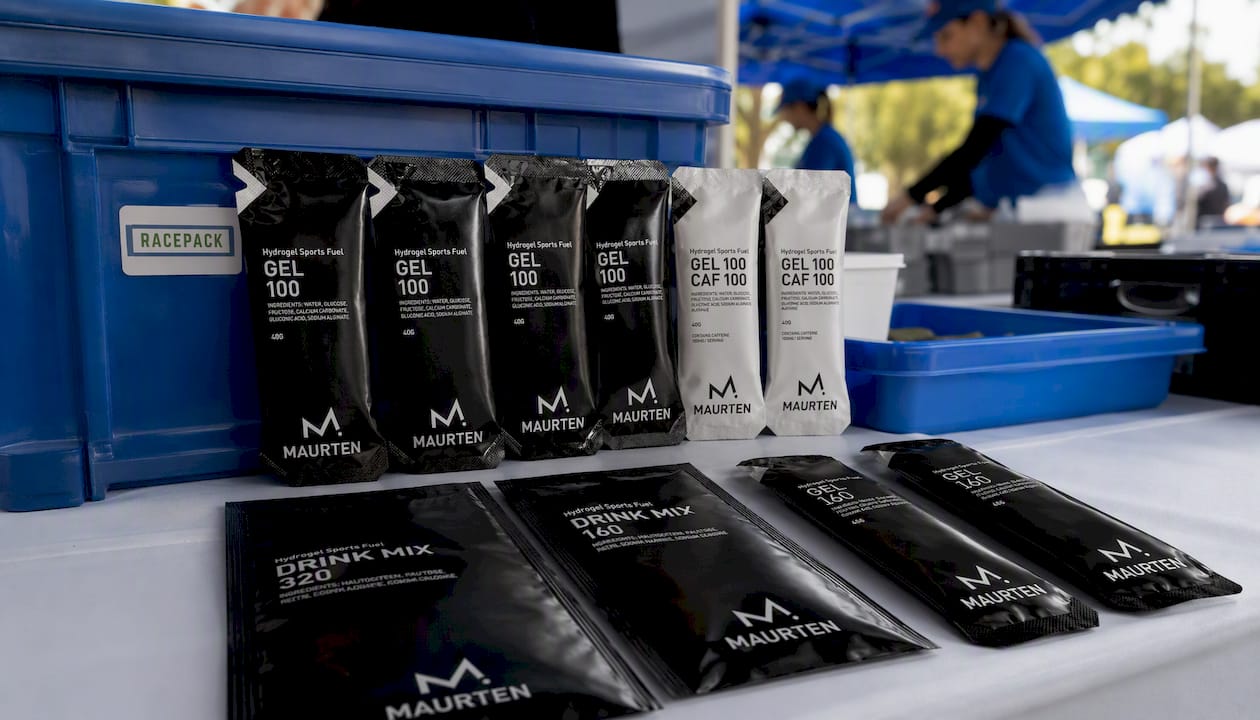
The Maurten Full Marathon Starter Kit is the most practical starting point for organizers stocking fueling stations. It includes Maurten Gel 100 units, Drink Mix 160 sachets, and Drink Mix 320 sachets — covering your isotonic drink, gel, and high-carb drink needs in one order. As a rough rule, one starter kit supplies approximately 10–15 runners across a full marathon course. For larger events, scale by runner count and use the 30–60 g CHO/hr formula to confirm gel quantities.
RacepackSingapore also carries SIS, GU, and Optimum Nutrition products for organizers who want flavor variety or allergen-friendly alternatives alongside Maurten. For exclusive pricing on bulk event orders, check the exclusive deals page or contact the team directly for a custom quote.
Sources
- Innovative Operations Measures and Nutritional Support for Mass Endurance Events
- Aid Station Strategy Planner — Hydration & Fuel Timing | RunDida
- Fueling the long run: a race-tested nutrition plan for miles 1–26.2
- How to train with gels in training and racing
- Marathon Race Day Nutrition: Complete Fueling Guide | EnduranceOS
This article is general information, not a substitute for advice from a qualified doctor. Consult a qualified healthcare professional about your own circumstances before acting on anything here.
FAQ
What is the minimum product mix for a marathon fueling station?
Every station needs plain water, an isotonic sports drink with sodium, and sealed energy gels. Add electrolyte tablets from mile 6 onward and simple solids (banana, pretzels) from mile 13 for slower runners.
How many gels should you stock per runner?
Plan 6–7 gels per runner for a 4-hour finish, based on the ACSM target of 30–60 g CHO/hr for events over one hour. Adjust total gel count for different race durations and use the carbohydrate-per-gel labeling (typically 20–36 g) to ensure each runner can achieve the hourly intake target.
How much water do you need per station?
Use 175 mL per cup, 2–4 cups per runner per station in warm weather, and add a 20% buffer. For 1,000 runners at 2 cups per station, that is roughly 350 liters per station.
Why is sealed single-serve packaging required?
World Athletics medical guidelines specify sealed drinks to reduce contamination risk and maintain anti-doping traceability through batch codes. Open communal containers create both a hygiene and a legal liability.
What sodium level should sports drinks contain?
Target 200–500 mg/L sodium for events with significant sweating. This range replaces electrolyte losses without creating a hypertonic load that worsens GI distress.
Should gels be taken with water or sports drink?
Always pair gels with plain water. Taking a gel with a sports drink stacks two hypertonic sources together and significantly increases the risk of GI cramping and nausea.
How do you reduce hyponatremia risk at fueling stations?
Offer a sodium-containing option (sports drink or electrolyte tablet) at every station from mile 6 onward, and train volunteers not to encourage runners to drink more than their thirst signals.
What allergen labeling is required at fueling stations?
Every product should display its allergen information clearly. Gluten-free and vegan options should be labeled and placed in a designated section of the station table so runners can identify them quickly.
How far apart should fueling stations be placed?
The NSCA review recommends station intervals of 2–5 km depending on weather conditions and runner pace. Tighter spacing (2 km) is appropriate in heat; 5 km is acceptable in cool conditions for faster fields.
What is the Maurten Full Marathon Starter Kit?
The Maurten Full Marathon Starter Kit includes Gel 100 units, Drink Mix 160, and Drink Mix 320 sachets — a complete carbohydrate and hydration package for roughly 10–15 runners across a full marathon course.
How do you handle waste from cups and gel wrappers?
Use compostable BPI-certified cups, place labeled compost and recycling bins within 10 meters of each station, and assign a dedicated waste volunteer during peak runner flow. Collect gel wrappers in a designated bin at each station.
When should organizers place their bulk product order?
Place the full bulk order at least 6 weeks before race day, with a test order for volunteer sampling at 8 weeks out. Confirm delivery and cold-chain storage 2 weeks before the event.
Ready to stock your fueling stations with authenticated, race-ready nutrition? Buy Now at RacepackSingapore and get the Maurten Full Marathon Starter Kit delivered with full batch traceability and our authenticity guarantee.