

Lose 0.5–1 kg a Week: How to Lose Weight and Keep It Off
The safest, most sustainable way to lose weight is a steady calorie deficit combined with regular aerobic activity and resistance training. Aim for about 0.5 to 1 kilogram per week, driven by a daily deficit of roughly 500 to 750 calories. If you’re considering a very low calorie diet, medication, or have an underlying health condition, talk to a doctor before you start.
TL;DR:
- An effective weight-loss plan requires a weekly calorie deficit of 500 to 750 calories, which typically leads to losing 0.5 to 1 kilogram per week.
- Prioritize protein and fiber-rich foods, build meals around lean proteins, and use mindful eating strategies to improve satiety and adherence.
- Incorporate at least 150 minutes of moderate cardio weekly, with up to 300 minutes for faster results, combined with daily movement and NEAT.
- Resistance training at least twice weekly preserves muscle and boosts metabolism, focusing on compound lifts and gradual progression.
- Supplements support but do not replace diet and exercise, with products like protein, L-carnitine, and fat-burners being effective adjuncts when used responsibly.
Table of Contents
- How to Lose Weight and Set a Safe Daily Calorie Target
- What Should You Eat to Lose Weight Sustainably?
- How Much Exercise Do You Need to Lose Weight?
- Why Strength Training Matters When You’re Losing Weight
- Why Sleep and Stress Sabotage Weight Loss
- How Do You Track Progress Without Obsessing Over the Scale?
- A Simple 7-Day Plan to Get You Started
- When Sports Nutrition Products Fit Into Weight Management
- Where EVLution Nutrition Fits Your Plan
- An Honest Take on What Actually Moves the Needle
- Sources
- FAQ
How to Lose Weight and Set a Safe Daily Calorie Target
A calorie deficit means you burn more energy than you take in. Your body makes up the difference by pulling from stored fat, and over time, that shows up on the scale. The relationship isn’t mysterious; it’s math your body has been running since long before calorie counting existed.
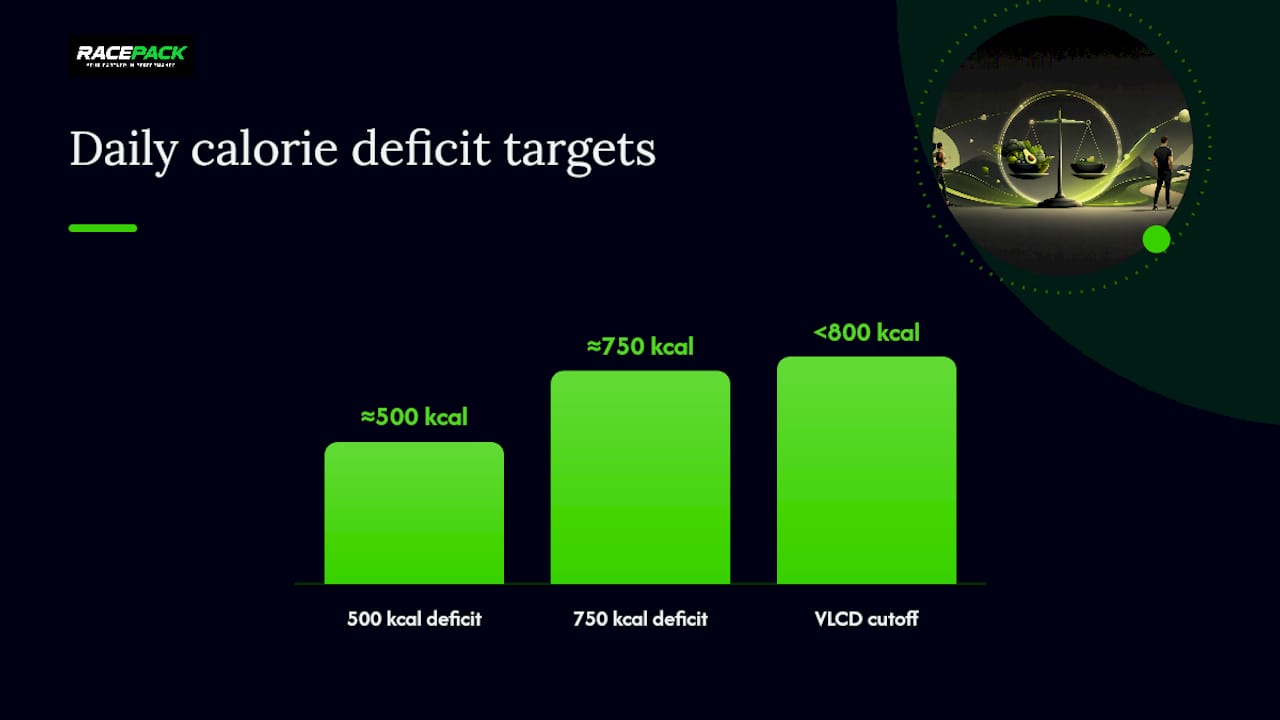
The rate that matters is 0.5 to 1 kilogram per week, which typically comes from a daily deficit of around 500 to 750 calories. Push much harder than that and you start losing muscle along with fat, which works against you later.
You have three practical ways to estimate your own target:
- Rule-of-thumb ranges. Many adults have daily calorie needs within typical ranges for women and men, though this varies considerably based on individual factors like height, activity, and starting weight.
- Online calculators. Tools like the NIH Body Weight Planner factor in your activity level and goal timeline for a more personalized number.
- Clinical testing. Indirect calorimetry, available at some sports medicine clinics, measures your actual resting metabolic rate rather than estimating it.
Pro Tip: If you’re hungry all day, tired during workouts, or losing more than 1 kilogram a week for several weeks straight, your deficit is probably too aggressive. Ease it back before it costs you muscle.
Very low calorie diets, generally under 800 calories a day, can produce fast results, but they require medical supervision and aren’t appropriate for most people trying to lose weight long term.
What Should You Eat to Lose Weight Sustainably?
What you eat determines whether a calorie deficit feels like deprivation or just feels normal. Protein and fiber are your two biggest levers here, since both increase fullness and help you stick to your target without constant hunger.
Try these swaps and tactics in order of impact:
- Build every meal around a protein source first. Chicken, fish, eggs, tofu, or a scoop of Optimum Nutrition whey mixed into oatmeal all work. Protein preserves muscle while you’re in a deficit, which keeps your metabolism from slowing as much.
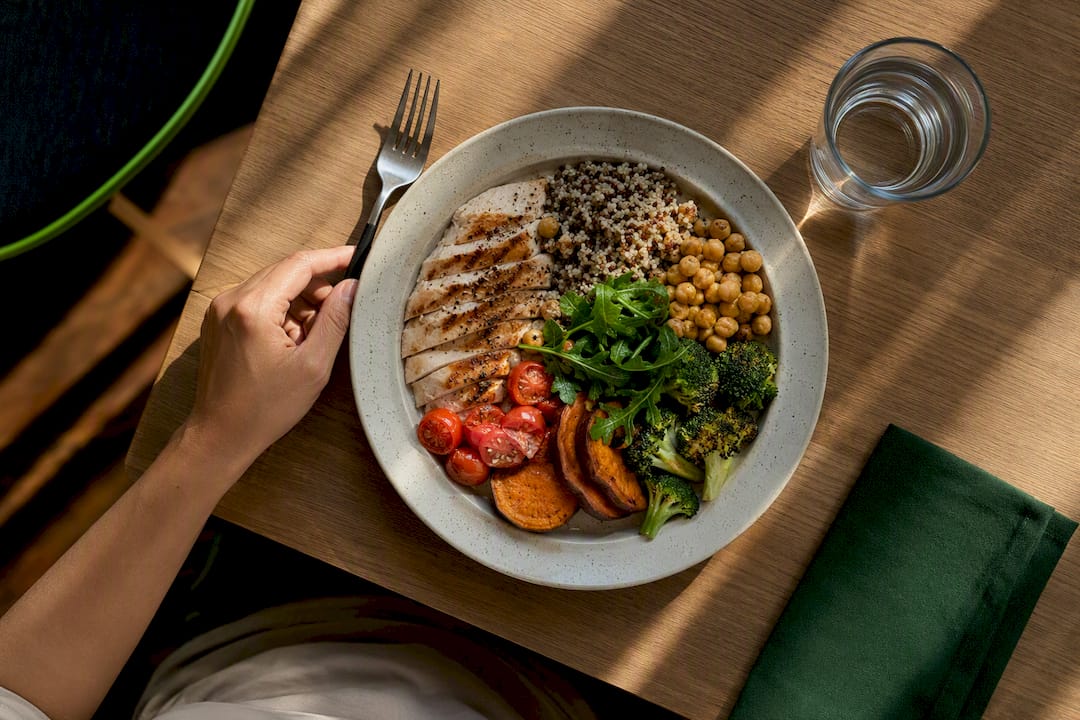
- Use the plate method. Half vegetables, a quarter lean protein, a quarter whole grains or starchy vegetables. No app required.
- Swap liquid calories for water. A daily soda or sweetened coffee can add 300 to 500 calories you never chew and never notice.
- Choose whole grains over refined ones. Brown rice, oats, and whole wheat bread digest slower and keep you fuller longer than white versions.
- Read labels for serving size, not just calories. A “150 calorie” snack pack often contains two servings.
Pro Tip: Eat slower. It takes roughly 20 minutes for your brain to register fullness, so a rushed meal almost always leads to overeating.
Mindful eating tactics matter here too. Protein-focused, fiber-rich meals genuinely reduce how much you eat later in the day, which is the entire game when it comes to adherence.
How Much Exercise Do You Need to Lose Weight?
Movement outside the gym adds up faster than most people realize. NEAT, or non-exercise activity thermogenesis, covers everything from pacing during a phone call to taking the stairs, and it can burn several hundred extra calories a day without a single structured workout.
For structured cardio, work toward these benchmarks:
- 150 minutes of moderate activity per week as a baseline, aligned with general health guidance. Brisk walking, cycling, or swimming all count.
- Up to 300 minutes per week if weight loss is your primary goal and your joints and schedule allow it.
- A mix of steady state and intervals to keep sessions from getting stale. If you’re deciding between the two, our breakdown of HIIT versus steady-state cardio covers which suits different goals better.
- Daily walks of 20 to 30 minutes, which are easier to sustain than any gym routine and stack NEAT benefits on top.
Here’s the part that trips people up: exercise alone rarely produces meaningful weight loss. A 45-minute run might burn 400 calories, but a muffin and a latte can undo that in five minutes. Cardio supports your deficit and protects your heart; it doesn’t replace the need to manage what’s on your plate.
Why Strength Training Matters When You’re Losing Weight
Skip resistance training and a chunk of what you lose won’t be fat. It will be muscle, and that’s the opposite of what most people actually want when they say they want to “lose weight.” Resistance training during a calorie deficit preserves lean mass and keeps your metabolic rate from dropping as sharply as it would with diet alone.
A simple, effective approach looks like this:
- Train at least twice a week. Full-body sessions hitting major muscle groups are more efficient than splitting by body part when you’re time-limited.
- Center your workouts on compound lifts. Squats, deadlifts, push-ups, and rows recruit more muscle per rep than isolation exercises.
- Progress gradually. Add small amounts of weight or an extra rep every one to two weeks rather than jumping too fast.
At home, resistance bands, a pair of dumbbells, or bodyweight circuits cover the basics. If you’re new to lifting or recovering from injury, a session or two with a certified coach can save you months of guessing.
Pro Tip: Track your lifts the same way you’d track calories. If your numbers are climbing even slightly while the scale moves down, you’re losing fat, not muscle.
Why Sleep and Stress Sabotage Weight Loss
You can nail your diet and training and still stall out if sleep and stress are working against you. Inadequate sleep and chronic stress raise appetite-regulating hormones, which drives cravings for exactly the high-calorie foods you’re trying to avoid.
A few adjustments make a real difference:
- Keep a consistent sleep and wake time, even on weekends, and aim for 7 to 9 hours.
- Set a device curfew 30 to 60 minutes before bed to cut blue light exposure.
- Use short walks or breathing exercises during high-stress stretches of the day instead of reaching for a snack.
- Build in recovery days, not just for muscles but for your nervous system.
Our guide to sleep and marathon training digs deeper into recovery science, and it applies just as well to anyone managing weight while training.
Small, repeatable habits, sometimes called microhabits, beat quick fixes because they don’t rely on willpower you won’t have every single day.
How Do You Track Progress Without Obsessing Over the Scale?
Two kinds of goals matter here, and confusing them is where most plans fall apart—this is explained well in the Athlete Body Composition Targets: A Practitioner’s Guide. Action goals are things you control directly, like “strength train twice this week” or “hit 8,000 steps daily.” Outcome goals, like “lose 5 kilograms,” depend on biology you don’t fully control.
- Set action goals weekly and let outcome goals play out over months.
- Track weekly, not daily. Weigh yourself two to three times a week and focus on the trend line, since day-to-day fluctuations from water and glycogen are normal and mean almost nothing on their own.
- Log training and food in a simple app or notebook. Consistency beats precision.
- Adjust when the trend stalls for three to four weeks straight. Reduce your deficit slightly, add a rest day, or check in with a dietitian before assuming something is broken.
A Simple 7-Day Plan to Get You Started
- Meals, every day: breakfast built around eggs or Greek yogurt with fruit; lunch and dinner following the plate method with a lean protein, vegetables, and a whole grain or starchy vegetable. Swap protein for tofu, lentils, or tempeh if you’re vegetarian.
- Movement, daily: 20 to 30 minutes of walking or cycling, plus normal daily activity.
- Strength, twice weekly: one full-body session with squats, push-ups, rows, and a plank, repeated with slightly more weight or reps the second session.
- Hydration: water as your default drink, swapping in sparkling water if you miss the fizz of soda.
Scale every portion to your calculated calorie target. Someone needing 1,800 calories eats larger portions of the same template as someone at 1,400.
When Sports Nutrition Products Fit Into Weight Management
A calorie deficit and consistent training do the heavy lifting. Supplements never replace that foundation, but the right ones can support it. Racepack SG has spent years supplying energy gels, hydration drinks, and recovery formulas to endurance athletes across Singapore, with guaranteed authenticity and next-day delivery on every order.
- Protein supplements support satiety and help protect muscle during a deficit, echoing the same principle behind whole-food protein choices.
- L-carnitine is commonly used as an adjunct to support metabolism during training, not a stand-alone fat-loss solution.
- Fat-burner formulas are designed to complement, not substitute for, diet and exercise. Their suggested use always includes a full training and nutrition plan alongside them.
Anyone with heart conditions, on medication, or sensitive to stimulants should check with a doctor before adding any of these.
Where EVLution Nutrition Fits Your Plan
If you’re looking for a practical adjunct to the habits already outlined above, two products from EVLution Nutrition cover common gaps in a weight-management routine.
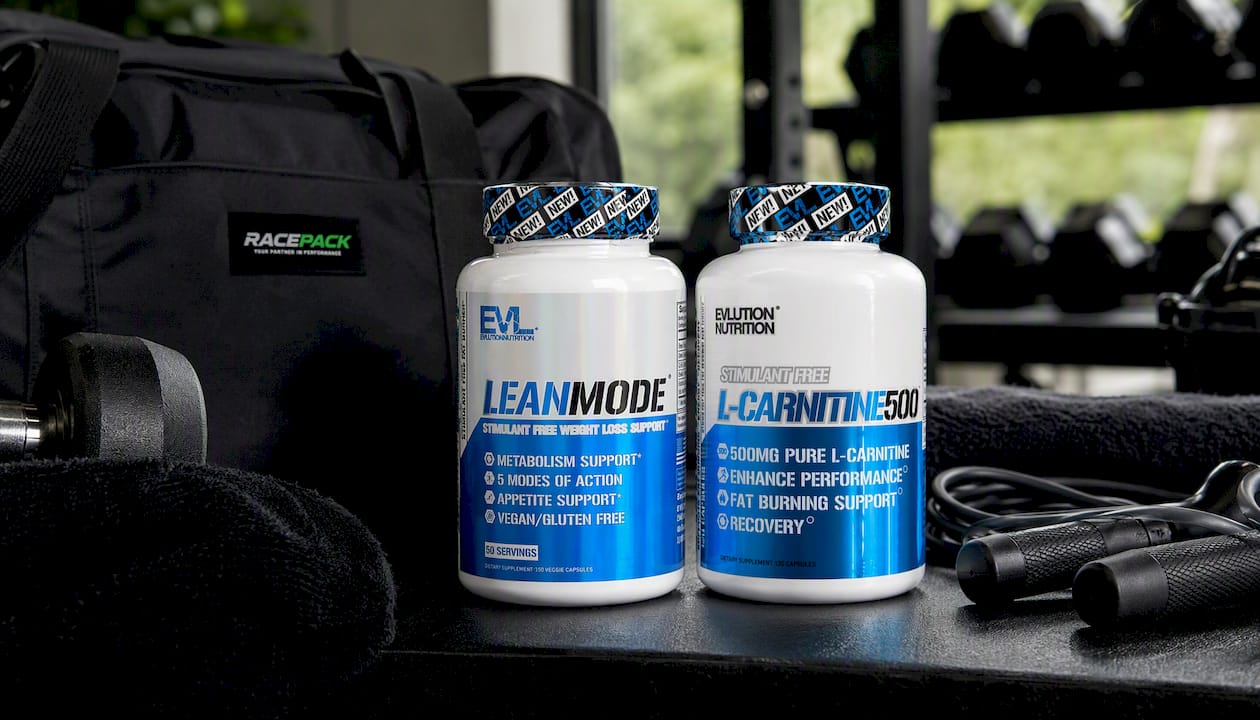
EVLution Nutrition Lean Mode 150 Caps is formulated as a support supplement alongside your calorie deficit and training plan, not a substitute for either. It’s meant to be paired with the same protein, fiber, and movement principles covered earlier in this guide.
EVLution Nutrition L-Carnitine 500 120 Caps offers 500 mg of pure L-carnitine per serving, positioned as a training adjunct for people already logging consistent cardio and strength sessions.
Both are available for next-day delivery in Singapore with guaranteed authenticity, so you know exactly what you’re taking. If stimulant sensitivity, heart conditions, or medications apply to you, check with a healthcare professional before adding either to your routine. Ready to round out your plan? Buy Now and pair it with the habits you’ve already started building.
An Honest Take on What Actually Moves the Needle
Most people overestimate what a single workout or a single “clean” meal will do, and underestimate what six months of boring consistency accomplishes. The plan in this guide isn’t exciting. That’s the point.
Start with one habit this week, track it honestly, and let the scale catch up later.
— Jason John
Sources
- Calorie deficit explained: Is it a safe, sustainable approach to weight loss? - Harvard Health
- Diet for rapid weight loss: MedlinePlus Medical Encyclopedia
- Weight loss: 6 strategies for success - Mayo Clinic
- Sleep and Sleep Disorders Information - CDC
FAQ
What Are the Top Three Ways to Lose Weight?
A calorie deficit of about 500 to 750 calories a day, regular aerobic activity, and resistance training to preserve muscle form the core of any sustainable weight-loss approach. Sleep and stress management round out the list as supporting factors that determine whether you stick with it.
How Do You Lose 5 Kilograms Quickly and Safely?
At a safe rate of 0.5 to 1 kilogram per week, losing 5 kilograms takes roughly 5 to 10 weeks. Faster approaches exist, but they typically rely on very low calorie diets that require medical supervision and aren’t appropriate without professional guidance.
What Is the 3-3-3 Rule for Weight Loss?
Definitions of this rule vary online and it isn’t a clinically established standard. Rather than following an unverified rule, focus on the evidence-backed basics covered in this guide: a moderate calorie deficit, consistent movement, and strength training.
What Are 10 Practical Tips for Losing Weight Quickly?
Build meals around protein, add fiber-rich vegetables, use the plate method, cut sugary drinks, walk daily, strength train twice a week, sleep 7 to 9 hours, track weekly trends instead of daily weights, avoid VLCDs without medical guidance, and expect early scale drops to reflect water weight rather than fat.
How Long Does It Take to See Visible Results?
Most people notice changes in energy and clothing fit within a few weeks, with visible body composition changes typically appearing over time at a safe rate of loss.
Can You Lose Weight Without Exercising?
Yes, through a calorie deficit alone, but you’ll lose more muscle along with fat and your metabolism may slow more than it would with resistance training included.
Is It Normal for Weight Loss to Stall?
Plateaus are common and often mean your body has adapted to your current deficit or activity level. Reassess your calorie target, add a training session, or check in with a dietitian if a stall lasts three to four weeks.
Do Fat-Burner Supplements Actually Work?
Products like Lean Mode are designed to support an existing calorie deficit and training plan, not replace them. Treat them as an adjunct, and pair any supplement with the diet and exercise habits covered in this guide.
How Much Protein Do You Need When Losing Weight?
Needs vary by body weight and activity level, but prioritizing protein at every meal helps preserve muscle and increases fullness during a calorie deficit.
What’s the Best Way to Maintain Weight Loss Long Term?
Keep the same habits that got you there: consistent tracking, regular strength training, and flexible eating patterns rather than a rigid diet you abandon once you hit your goal.
Ready to support your plan with trusted, authentic supplements? Buy Now from Racepack SG and get next-day delivery across Singapore.