

Recovery and Wellness for Endurance Athletes: 2026 Guide
TL;DR:
- Endurance athletes should prioritize proactive recovery through sleep, nutrition, and active movement, not just damage repair. Consistent routines and monitoring signals prevent overtraining and enhance long-term performance. Affordable strategies like sleep, proper nutrition, and daily self-checks support recovery more effectively than costly therapies.
For endurance athletes, recovery and wellness means the continuous, proactive maintenance of your body and mind between training sessions — not just repairing damage after a hard effort. Start today with three actions: prioritize 7–8 hours of sleep tonight, consume protein and carbohydrates within 30–45 minutes of your next session, and add 10 minutes of low-intensity movement tomorrow morning.
TL;DR:
- Recovery is ongoing maintenance, not a one-time fix.
- Sleep, post-workout nutrition, and active recovery deliver the highest return on time invested.
- Monitoring daily readiness signals helps you catch overtraining before it costs you weeks.
Your 3-step action checklist for the next 24 hours:
- Set a consistent wake time and protect 7–8 hours of sleep tonight, as experts recommend for optimal recovery.
- Prepare a post-session snack: protein source plus a carbohydrate, ready to eat within 45 minutes of finishing.
- Schedule a 10-minute walk or mobility session for tomorrow morning.
Table of Contents
- Recovery and wellness is proactive maintenance, not damage control
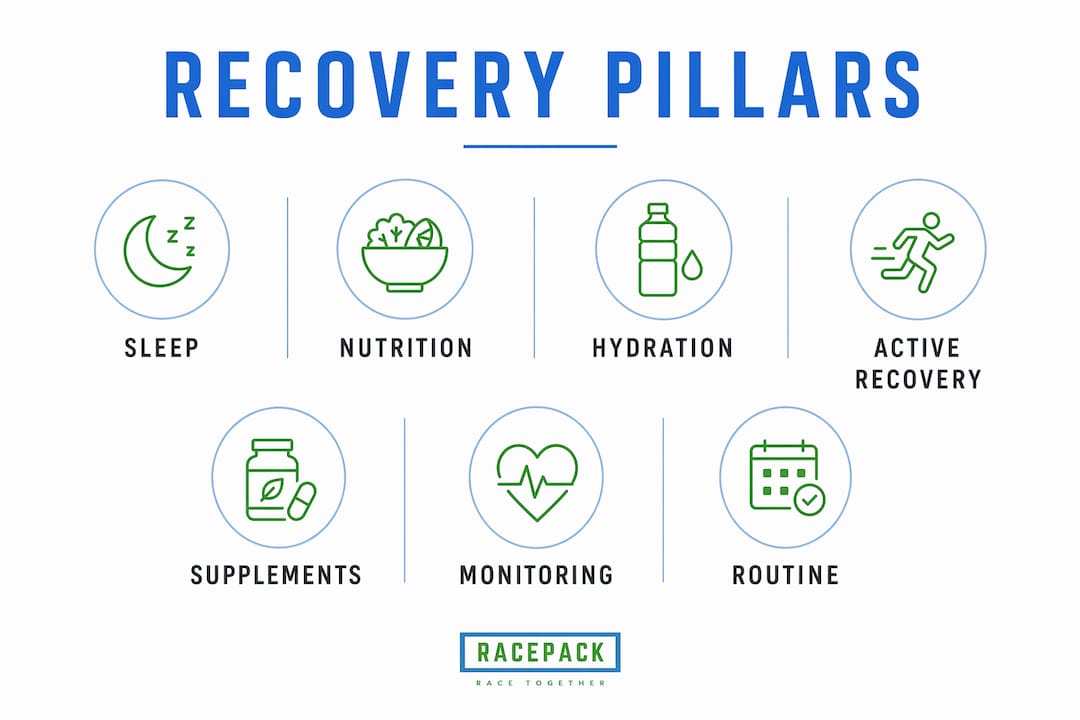
- The seven pillars every endurance athlete needs to prioritize
- What to eat after hard sessions: timing, macros, and sample snacks
- Which supplements actually support recovery for endurance athletes?
- How to monitor your recovery and spot red flags early
- A simple weekly recovery plan and micro-routines that fit any schedule
- What does recovery actually cost? Realistic ranges for common strategies
- Key Takeaways
- Recovery is the training most athletes skip — and it shows
- RacepackSingapore has the recovery products your training plan actually needs
- Useful sources and further reading
- FAQ
Recovery and wellness is proactive maintenance, not damage control
Most athletes treat recovery as something they do after things go wrong — a rest week when fatigue piles up, or extra sleep when performance tanks. That framing costs you fitness. Recovery is a continuous, lifelong process requiring sustained resilience across physical, mental, and social domains — not a reactive patch applied when the wheels come off.
Treating recovery like scheduled training changes your behavior immediately. You block recovery sessions on your calendar the same way you block interval workouts. You plan your sport nutrition periodization around training load, not just race day. The athletes who stay healthy and improve year over year are the ones who made this mental shift early.
Daily self-checks also matter here. Wellness is multifaceted — physical, social, and emotional — and what your body needs on a Tuesday after a long Sunday run differs from what it needs mid-taper. Build the habit of asking yourself each morning: how did I sleep, how is my mood, and how ready do I feel?
The seven pillars every endurance athlete needs to prioritize
Harvard Health’s longevity research confirms that combining movement, nutrition, sleep, stress reduction, and social connection extends healthy years and improves daily performance. For endurance athletes, two additional pillars round out the picture.
- Sleep: Target 7–8 hours every night with a consistent wake time. Consistency is as important as total duration for recovery.
- Nutrition: Build meals around whole foods, adequate protein, and plant-forward choices. Anchor each meal by pairing protein and healthy fats with carbohydrates to blunt glucose spikes.
- Hydration: Replace electrolytes lost during long sessions, not just water. Sodium, potassium, and magnesium all affect muscle function and mood.
- Load management: Alternate hard and easy training days deliberately. A planned easy day is a training stimulus, not a skipped workout.
- Active recovery and mobility: Low-intensity movement keeps circulation, glucose regulation, and movement patterns intact without overtaxing repaired tissue. A 20-minute walk or yoga session beats a full rest day for most athletes.
- Mental health and stress management: Physical and social strategies reliably regulate stress; mental-only tools are useful but secondary. Prioritize movement and sleep before adding meditation apps.
- Social and support structures: Training groups, recovery support communities, and accountability partners improve consistency more than motivation alone.
Pro Tip: Habit formation averages 66 days for routines to stick. Block your recovery sessions as fixed calendar appointments — treat them as non-negotiable, the same way elite athletes do.
What to eat after hard sessions: timing, macros, and sample snacks
Post-workout nutrition has the most leverage in the first 30–45 minutes after a hard session. Your muscles are primed to absorb glucose and amino acids, and missing this window slows glycogen resynthesis and muscle protein repair.
Guideline ranges to follow:
- Post-session protein: aim for 20–40 g of high-quality protein within 45 minutes.
- Post-session carbohydrates: pair with 40–80 g of fast-digesting carbs to restore glycogen.
- For sessions under 60 minutes at low intensity, a normal meal within 2 hours is sufficient.
Understanding the post-workout anabolic window helps you time these nutrients precisely. For daily dietary framing, whole foods, adequate protein, and plant-forward meals support long-term recovery and healthspan.
8 practical snack ideas for endurance athletes:
- Greek yogurt with banana and a drizzle of honey
- Rice cakes with peanut butter and sliced banana
- Chocolate milk (fast carbs plus whey protein — a classic for a reason)
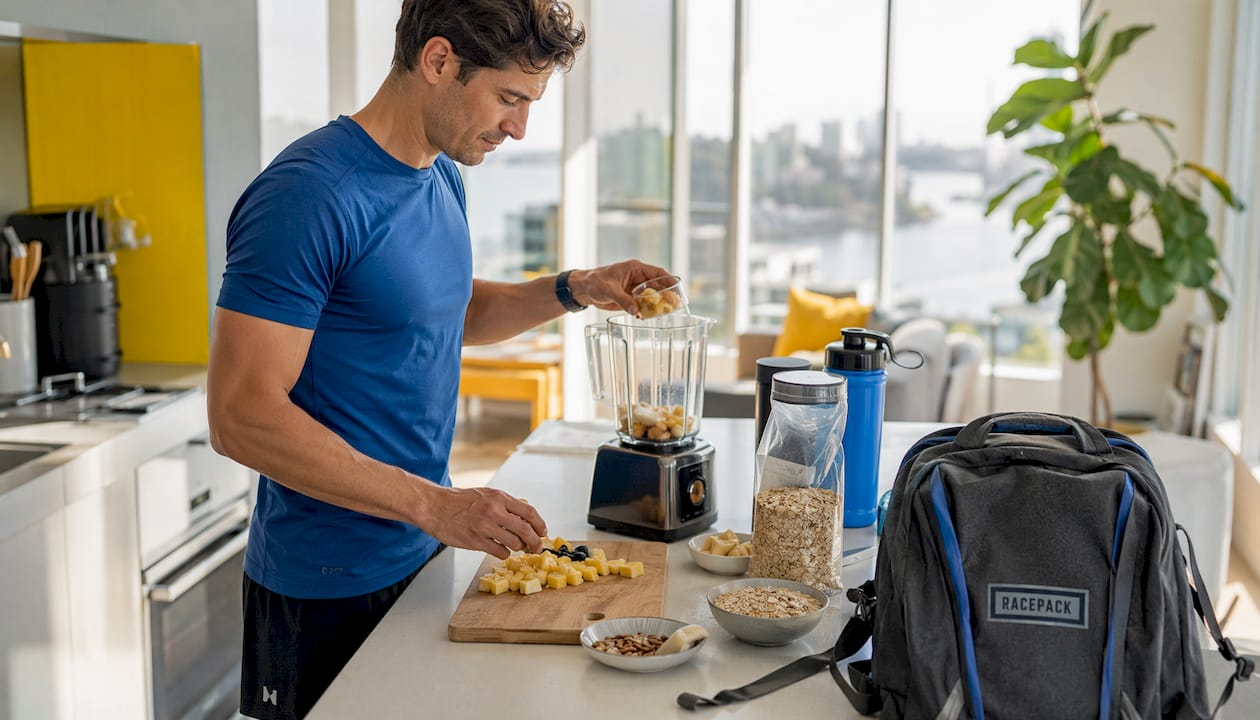
- Pea protein shake blended with oats and frozen berries
- Hard-boiled eggs with wholegrain crackers and avocado
- GU Energy Gel during long runs (60+ minutes) to maintain blood glucose intra-session
- Edamame with brown rice and grilled chicken post-session
- Overnight oats with protein powder stirred in, ready to eat immediately after morning runs
For multi-day recovery after a race or hard training block, nutrition has the most leverage in the first 48 hours. After that, consistent daily protein intake and anti-inflammatory foods (fatty fish, leafy greens, berries) sustain the repair process. Pair protein and healthy fats with carbohydrates at every meal to reduce glucose spikes and inflammatory signaling — a strategy that is underused by most endurance athletes.
Which supplements actually support recovery for endurance athletes?
The supplement market is noisy. These categories have meaningful evidence for endurance recovery:
- Protein (whey or pea isolate): The most evidence-backed recovery supplement. Whey absorbs quickly post-session; pea protein isolate is a solid plant-based alternative with a complete amino acid profile. See the protein guide for runners for type-by-type comparisons.
- Essential amino acids (EAAs): Support muscle protein synthesis when whole-food protein is not practical. Useful intra-session or immediately post-session.
- Electrolytes: Sodium, potassium, and magnesium replacement is non-optional for sessions over 60 minutes in heat. Deficiency impairs muscle contraction and sleep quality.
- Creatine monohydrate: Supports power output and may reduce muscle damage markers in endurance athletes doing strength work alongside running or cycling.
- Omega-3 fatty acids: Emerging evidence supports reduced muscle soreness and inflammation with regular use. Not a replacement for whole-food sources, but a practical gap-filler.
- Tart cherry concentrate: Shows promise for reducing delayed-onset muscle soreness (DOMS) in endurance athletes, particularly around race blocks.
Safety notes: Do not exceed label dosing on any single supplement. If you take prescription medications, check with a pharmacist before adding omega-3s or tart cherry at therapeutic doses. Creatine is well-tolerated for most healthy adults but requires adequate hydration. See a sports dietitian if you are stacking more than three supplements simultaneously.
Pro Tip: The most cost-effective stack for most endurance athletes is protein powder plus electrolytes plus creatine. The sport supplements recovery guide breaks down exactly why these three cover the majority of recovery gaps without overspending.
How to monitor your recovery and spot red flags early
A short daily check-in takes two minutes and catches overtraining weeks before performance collapses.
- Sleep quality: Did you sleep 7–8 hours with a consistent wake time? Did you wake feeling rested?
- Resting heart rate: A sustained elevation of 5–7 beats per minute above your baseline is a reliable early warning sign.
- Mood and motivation: Persistent low mood or irritability — not just one bad morning — signals accumulated fatigue.
- Muscle soreness: Soreness that does not resolve within 48–72 hours after a moderate session warrants a load reduction.
- Appetite: Significant appetite suppression after hard training is normal for 1–2 hours; suppression lasting 24+ hours suggests under-recovery.
- Training readiness: Rate your readiness 1–10 before each session. A score below 5 on three consecutive days calls for an easy day or rest.
When to reduce load: A sudden performance drop of 5% or more across two consecutive sessions, persistent RPE elevation at your usual training paces, or unexplained resting heart-rate elevation for three or more days all signal that your body needs more recovery time, not more training. Reduce volume by 30–40% for 3–5 days before reassessing.
Red flags that require professional review: prolonged performance loss lasting more than two weeks, unexplained weight loss, persistent mood disturbance or sleep disruption unrelated to training load, or recurring injury in the same site. These warrant evaluation by a sports medicine physician or sports dietitian, not just an extra rest day. Recovery and injury prevention through flexibility are closely linked — a mobility specialist can identify structural issues before they become chronic.
A simple weekly recovery plan and micro-routines that fit any schedule
Sample 7-day recovery week for an endurance athlete:
- Monday (easy/active recovery): 20-minute walk or light swim; foam rolling 10 minutes; high-protein dinner.
- Tuesday (moderate training): Post-session nutrition within 45 minutes; 8 hours sleep priority.
- Wednesday (hard session): Electrolyte replenishment during session; post-session protein + carbs; early bedtime.
- Thursday (easy day): Mobility work 15 minutes; focus on hydration and anti-inflammatory foods.
- Friday (moderate training): Pre-session snack 60–90 minutes before; post-session EAA or protein shake.
- Saturday (long session): GU Energy Gels every 45 minutes during effort; recovery meal within 60 minutes of finish.
- Sunday (full rest or yoga): Sleep in; social connection with training group; meal prep for the week ahead.
5 micro-routines (5–15 minutes each):
- Pre-bed: 5 minutes of diaphragmatic breathing plus a consistent sleep time. Screens off 30 minutes before.
- Morning: 5-minute joint mobility circuit (hips, ankles, thoracic spine) before coffee.
- Post-session: Protein shake or snack immediately, followed by 5 minutes of static stretching targeting the worked muscles.
- Active recovery day: 15-minute walk plus active recovery protocols for circulation and mobility.
- Travel day: Hydration tablets in your water bottle, a portable supplement storage box for your daily doses, and a 10-minute bodyweight mobility routine in your hotel room.
Budget tip: Sleep costs nothing and delivers the highest return of any recovery tool. After sleep, a basic protein powder and electrolyte tablets cover most gaps for under $50/month. Sports massage and compression therapy are useful but lower ROI — save them for race-week preparation, not daily recovery.
What does recovery actually cost? Realistic ranges for common strategies
Recovery does not have to be expensive. Here is a realistic breakdown of common strategies:
| Strategy | Approximate Monthly Cost (USD) | Notes |
|---|---|---|
| Sleep optimization (blackout curtains, consistent schedule) | $15–$30 one-time | Highest ROI; no ongoing cost |
| Protein powder (whey or pea isolate) | $30–$60 | Covers daily post-session needs |
| Electrolyte tablets or sachets | $15–$30 | Essential for sessions over 60 min |
| Creatine monohydrate | $10–$20 | Low cost, strong evidence |
| Sports massage (1–2 sessions) | $80–$150 | Useful around race blocks |
| Compression therapy or ice bath | $15–$50 | DIY options available; facility sessions cost more |
| Foam roller or mobility tools | $20–$40 one-time | Durable; long-term value |
The most effective recovery stack for most athletes costs $55–$115 per month in supplements, with sleep and active recovery adding zero ongoing cost. High-cost therapies like cryotherapy or professional massage are useful periodically but should not replace the fundamentals.
Key Takeaways
Recovery and wellness for endurance athletes means treating sleep, nutrition, hydration, and active recovery as scheduled training commitments — not optional extras — because consistent maintenance across all seven pillars is what separates athletes who improve year over year from those who plateau or get injured.
| Sleep is the top priority | Target 7–8 hours each night with a consistent wake time; this is the highest-return recovery investment. | Post-session nutrition window | Consume 20–40 g protein plus 40–80 g carbohydrates within 45 minutes of hard sessions. | | Active recovery beats full rest | Low-intensity movement preserves circulation and metabolic function better than complete inactivity. | | Monitor daily readiness | Track resting heart rate, mood, and soreness each morning; a 5+ bpm HR elevation over baseline is an early overtraining signal. | | RacepackSingapore product support | Energy gels, electrolytes, and recovery proteins from RacepackSingapore cover the core supplement stack with guaranteed authenticity and next-day delivery. |
Recovery is the training most athletes skip — and it shows
There is a pattern I see repeatedly among endurance athletes: they follow their training plan with discipline but treat recovery as whatever time is left over. The result is a performance ceiling that feels like a fitness problem but is actually a recovery deficit.
The evidence from Harvard Health and SAMHSA points to the same conclusion: recovery is not a passive process. It requires the same intentionality as your interval sessions. The athletes who close the gap between their current fitness and their potential are almost always the ones who scheduled their recovery, anchored their meals, and monitored their readiness signals before fatigue became a crisis.
The micro-routines in this guide are not complicated. A consistent wake time, a post-session snack, and 10 minutes of morning mobility will outperform any expensive recovery gadget you can buy. Start with those three, build the habit over the next 66 days, and then layer in the supplements and monitoring tools as your consistency improves.
RacepackSingapore has the recovery products your training plan actually needs
Getting authentic, performance-grade recovery products delivered to your door in Singapore used to mean waiting days or hunting across multiple stores. RacepackSingapore solves that with next-day delivery and guaranteed product authenticity on every order.
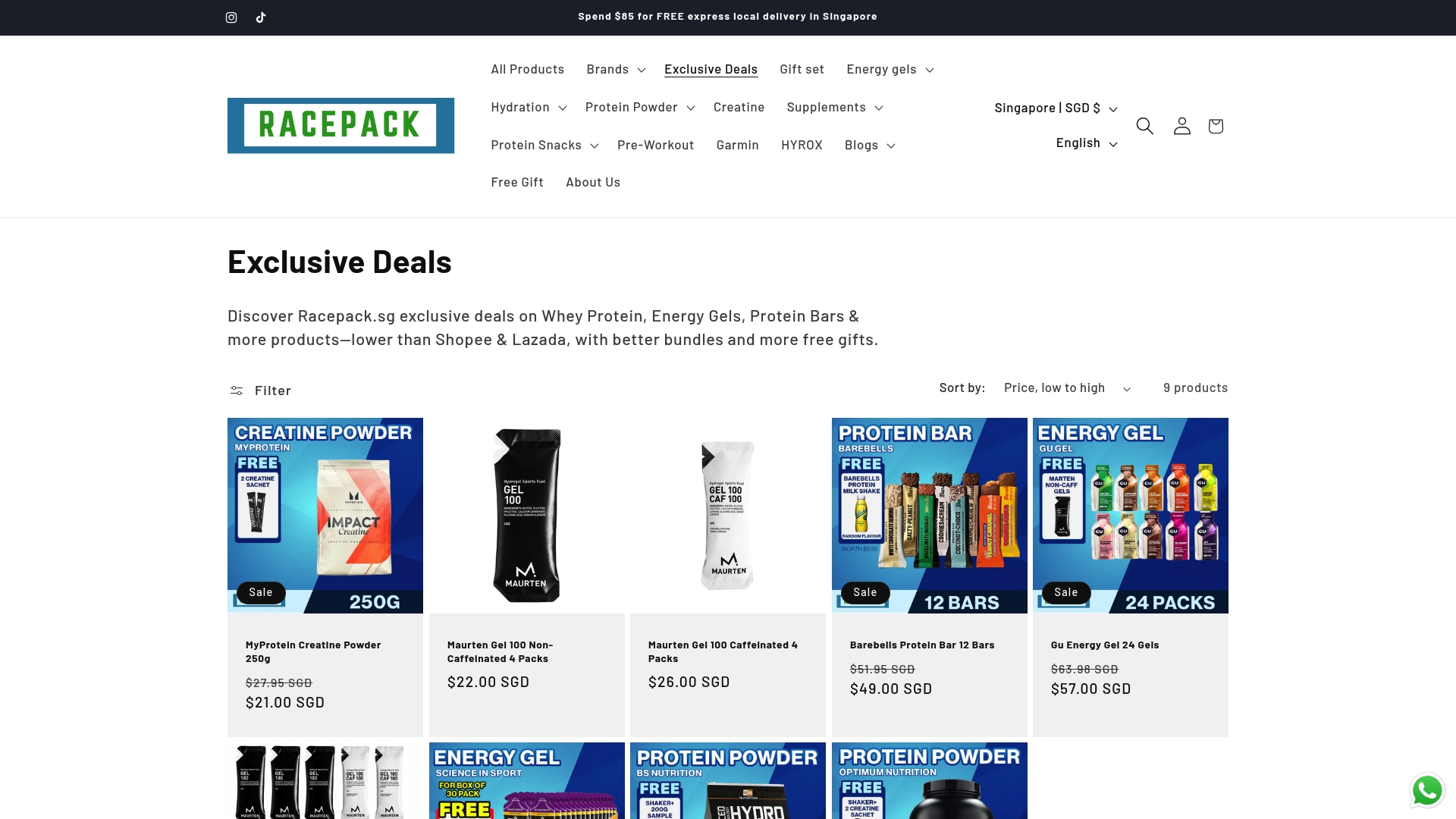
Here is how the catalog maps to the pillars in this guide:
- Intra-session fueling: GU Energy Gel 24-pack for long runs and races; also available as a flexible 6/12/24 pack or single-pack trial order.
- Electrolyte replenishment: HIGH5 ZERO+ Multivitamins/Ultra Electrolytes 16 Sachets and the HIGH5 750ml Bottle with 10 Zero Hydration Tablets for daily training hydration.
- Post-session protein: MyProtein Pea Protein Isolate 2.5kg with Shaker and Creatine Sachet covers plant protein plus creatine in one purchase.
- Amino acid support: MyProtein EAA Powder 360g 30 Servings for intra- or post-session amino support.
- Supplement organization: MyProtein Supplement Storage Box keeps your daily doses organized at home and on the road.
Buy Now at RacepackSingapore →
Useful sources and further reading
- What Does Recovery Have to Do with Health and Well-being? Everything — ODPHP/SAMHSA: The foundational case for treating recovery as a continuous, lifelong process across physical, mental, and social domains.
- The 5 Pillars of Longevity — Harvard Health: Movement, nutrition, sleep, stress reduction, and social connection as evidence-based pillars; directly applicable to endurance athlete recovery planning.
- Pathways to Longevity — Harvard Health: Dietary pattern guidance supporting long-term recovery and healthspan.
- Everyday Self-Care Strategies — NCOA: Habit formation timelines and daily self-check frameworks for consistent recovery routines.
- 24 Tips for Better Health and Wellness — New York Times: Practitioner-sourced daily wellness strategies including self-check frameworks.
- Why Sport Supplements Improve Recovery — RacepackSingapore Blog: Practical supplement guidance for endurance athletes, with product-specific context.
- Active Recovery Guide — RacepackSingapore Blog: Science-backed active recovery protocols and mobility routines for faster performance gains.
- Recovery Nutrition After HYROX — RacepackSingapore Blog: Event-specific nutrition guidance applicable to any high-intensity endurance effort.
FAQ
What is the most important recovery pillar for endurance athletes?
Sleep delivers the highest return of any single recovery strategy. Experts recommend 7–8 hours per night with a consistent wake time; consistency and duration together deliver maximal recovery, and no supplement or therapy compensates for chronic sleep deficits.
How soon should I eat after a hard training session?
Consume 20–40 g of protein and 40–80 g of carbohydrates within 45 minutes of finishing a hard session. This window is when muscles are most receptive to glycogen and amino acid uptake.
Which supplements have the best evidence for endurance recovery?
Protein powder, electrolytes, and creatine monohydrate have the strongest evidence base for endurance athletes. EAAs, omega-3 fatty acids, and tart cherry concentrate also show meaningful support for muscle repair and inflammation reduction.
What are the red flags that mean I should see a doctor?
Seek professional evaluation for performance loss lasting more than two weeks, unexplained weight loss, persistent mood disturbance, or recurring injury in the same site. These go beyond normal training fatigue and require medical or sports-science assessment.
Where can I buy authentic recovery supplements with next-day delivery in Singapore?
RacepackSingapore stocks GU Energy Gels, HIGH5 electrolytes, MyProtein pea protein, EAA powder, and more — all with guaranteed authenticity and next-day delivery. Browse the full range and order directly through the site.
How long does it take to build a consistent recovery routine?
Habit formation averages 66 days for routines to become automatic. Scheduling recovery sessions as fixed calendar appointments — not optional extras — is the most reliable way to build consistency over that period.
Does active recovery work better than complete rest?
For most endurance athletes, yes. Low-intensity movement like walking, light swimming, or mobility work preserves circulation and metabolic function better than full inactivity, especially in the 24–48 hours after a hard session.
How much should I budget for recovery each month?
A core supplement stack of protein powder, electrolytes, and creatine costs approximately $55–$115 per month. Sleep optimization and active recovery add no ongoing cost, making them the highest-ROI strategies regardless of budget.