

Nutrition and Supplements: Evidence-Based Guide for 2026
Dietary supplements are genuinely useful in specific, evidence-backed situations — deficiency, pregnancy, certain clinical conditions, and some athlete contexts — but they are not a universal fix and should never replace a healthy whole-food diet. Before you spend a dollar on any supplement, take these steps:
- Check for third-party testing. Look for USP or NSF certification seals on the label. These seals confirm the product contains what it claims and is free from common contaminants. They do not guarantee the supplement will work for you.
- Review medication interactions. Even “natural” products interact with prescription drugs. Ask your pharmacist or use a verified checker like Examine’s Safety Checker before adding anything new.
- Get a lab test first. If you suspect a deficiency in vitamin D, iron, or B12, confirm it with bloodwork. Dosing without a confirmed deficiency can push you past safe upper limits.
- Consult a clinician. A physician, registered dietitian, or pharmacist can review your full picture — diet, medications, health history — before you commit to a regimen.
The FDA and the NIH Office of Dietary Supplements (ODS) are your two most reliable U.S. resources for regulation updates, ingredient fact sheets, and safety alerts.
Table of Contents
- What dietary supplements are and the main categories
- How dietary supplements are regulated in the United States
- What the evidence says about common supplements
- When supplements help — and the main safety concerns
- How to pick safer supplements in the U.S.: seals, labels, and recall checks
- A step-by-step decision guide: should you start this supplement?
- Populations who commonly need supplements and typical choices
- Why whole foods come first — and how to reduce harm when you supplement
- Key Takeaways
- A perspective on supplements worth reading
- Authoritative U.S. sources and further reading
- RacepackSingapore: authenticated supplements for athletes who are ready to perform
- FAQ
What dietary supplements are and the main categories
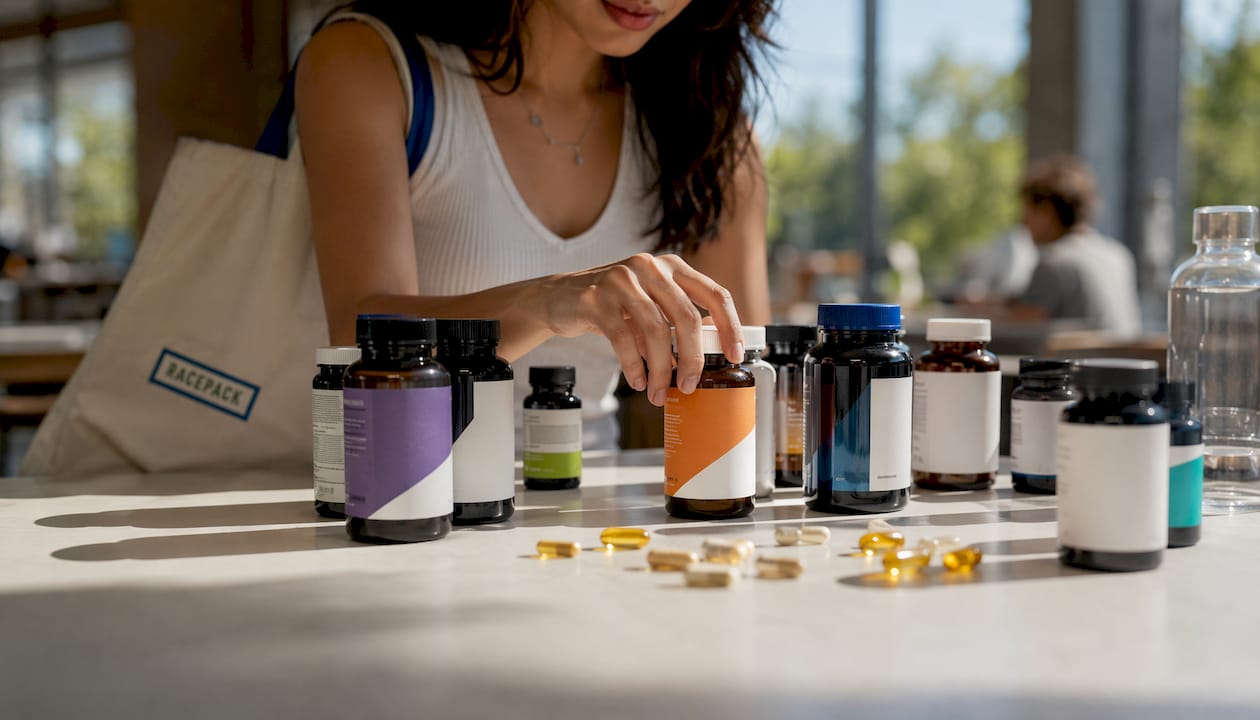
Under the Dietary Supplement Health and Education Act (DSHEA), a dietary supplement is any product intended to supplement the diet that contains one or more of the following: vitamins, minerals, herbs or botanicals, amino acids, enzymes, probiotics, or concentrates and extracts of these ingredients. They come as capsules, tablets, powders, liquids, and bars. What they are not: prescription drugs, biologics, controlled substances, or illicit performance enhancers.
The six main categories you will encounter:
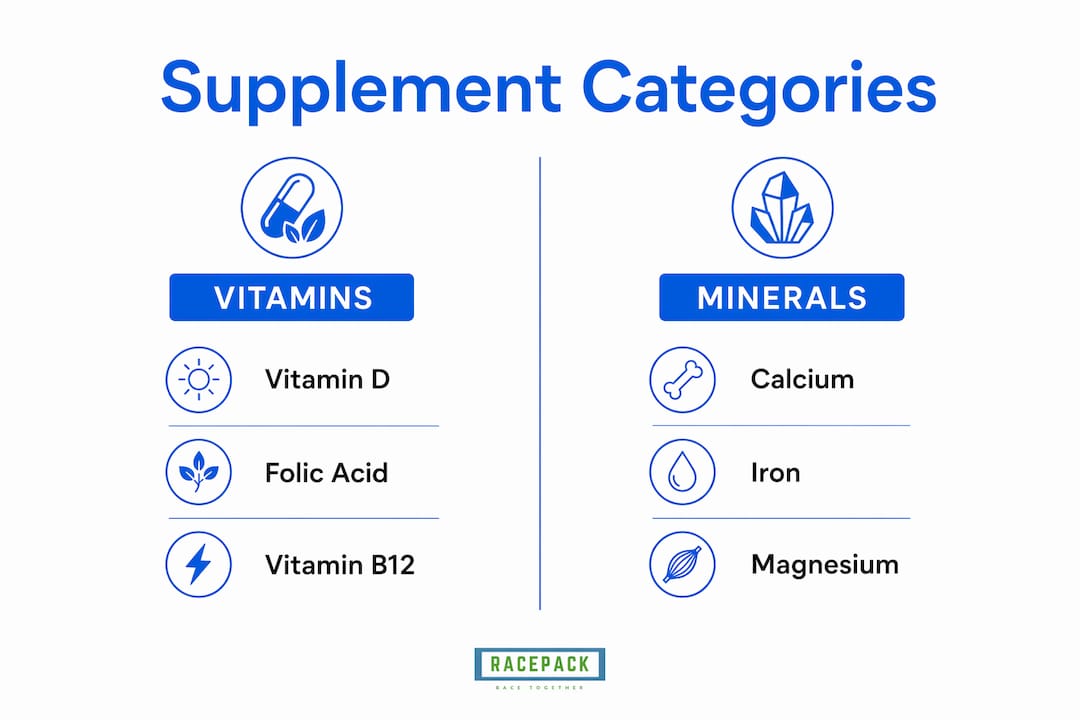
- Vitamins and minerals. Single-nutrient products (vitamin D, vitamin C, zinc) or multi-nutrient blends. Vitamins and minerals range from fat-soluble (A, D, E, K) to water-soluble (B-complex, C), each with distinct absorption rules and toxicity profiles.
- Herbs and botanicals. Plant-derived products like ashwagandha, turmeric, and echinacea. Evidence quality varies widely across this category.
- Probiotics. Live microorganisms intended to support gut health. Benefits tend to be strain-specific and condition-specific.
- Omega-3 / fish oil. Concentrated EPA and DHA fatty acids, typically from fish or algae sources.
- Protein supplements. Whey, casein, soy, pea, and rice protein powders. These are among the most evidence-supported products for muscle repair and recovery in athletes.
- Specialty performance ingredients. Creatine monohydrate, beta-alanine, caffeine, and similar compounds with defined performance applications.
The key distinction: supplements are designed to complement a diet, not replace it. A product that claims to replace meals or cure disease has crossed into drug territory under U.S. law.
How dietary supplements are regulated in the United States

The FDA does not approve dietary supplements for safety or efficacy before they reach store shelves. That is the single most important regulatory fact every consumer should know. Under DSHEA, the burden of proving a product is safe rests with the manufacturer, not the government, and that proof is not submitted to the FDA before sale.
What the FDA can do:
- Issue warning letters and initiate recalls after a product is already on the market
- Remove products found to be adulterated or misbranded
- Require manufacturers to follow current Good Manufacturing Practices (cGMPs)
- Maintain a public database of safety alerts and tainted products
What the FDA cannot do:
- Require pre-market proof that a supplement works
- Require pre-market proof that a supplement is safe for all populations
- Approve or certify label claims before the product ships
This gap is why third-party certification matters so much. USP (U.S. Pharmacopeia) and NSF International independently test products and verify that what is on the label is actually in the bottle. Neither seal guarantees the supplement will produce a health benefit, but both significantly reduce the risk of contamination or mislabeling.
To check for recalls and safety alerts, visit the FDA’s consumer pages directly, submit adverse event reports through MedWatch, and cross-reference ingredient information with NIH ODS fact sheets at Nutrition.gov.
What the evidence says about common supplements
The honest summary: most single-nutrient supplements show limited or mixed benefit in well-nourished adults. Harvard Health notes that trials of isolated high-dose vitamin supplements have often shown little benefit, with notable exceptions for fish oil and possibly vitamin D. The table below maps evidence strength to population groups.
| Supplement | Evidence Strength | Who May Benefit | Key Safety Note |
|---|---|---|---|
| Folic acid | Strong | Pregnant people (neural tube defect prevention) | Excess can mask B12 deficiency |
| Iron | Strong | Diagnosed iron-deficiency anemia | High doses cause GI distress; toxic in overdose |
| Vitamin D | Moderate | Older adults, people with limited sun exposure, confirmed deficiency | Fat-soluble; toxicity possible at high doses |
| Calcium | Moderate | Older adults, low-dairy diets | Excess linked to kidney stones; split doses absorb better |
| Omega-3 (fish oil) | Moderate | Cardiovascular risk, certain inflammatory conditions | High doses may affect bleeding time |
| Probiotics | Mixed | IBS, antibiotic-associated diarrhea (strain-specific) | Generally safe; immunocompromised individuals should consult clinician |
| Multivitamins | Mixed | Restricted diets, older adults with poor intake | Risk of exceeding upper limits when combined with fortified foods |
| Protein powders | Good (athletes) | Athletes with elevated protein needs, recovery support | Generally safe; excess calories still count |
| Creatine | Good (athletes) | Strength and power athletes, high-intensity training | Well-tolerated; stay hydrated |
| Vitamin B12 | Good | Vegans, older adults with absorption issues | Water-soluble; excess excreted; injection may be needed for malabsorption |
| Ashwagandha | Limited | Stress response, possibly testosterone support | Interactions with thyroid medications; avoid in pregnancy |
| Weight-loss ingredients (e.g., green tea extract, synephrine) | Limited to none | No population with confirmed benefit | High contamination and adulteration risk in this category |
For athletes specifically, sport nutrition periodization plays a significant role in determining which supplements are appropriate and when. Protein timing, creatine loading phases, and electrolyte replenishment all depend on training phase and individual output.
When supplements help — and the main safety concerns
Clear benefit cases exist, and they are worth naming precisely. Folic acid taken before and during early pregnancy reduces the risk of neural tube defects. Iron supplementation corrects iron-deficiency anemia when confirmed by a serum ferritin test. Vitamin D supplementation addresses confirmed deficiency, which is common in older adults and people with limited sun exposure. Omega-3 fatty acids have a documented role in certain cardiovascular contexts, particularly for people with elevated triglycerides.
Outside these defined cases, the risk-benefit math shifts quickly.
Main safety concerns to know:
- Hypervitaminosis from fat-soluble vitamins. Vitamins A, D, E, and K accumulate in body fat. Unmonitored high-dose vitamin A can cause liver damage, bone loss, and birth defects. Vitamin D toxicity, while less common, produces hypercalcemia with serious cardiovascular effects.
- Vitamin K and warfarin. Vitamin K directly counteracts the anticoagulant effect of warfarin. Even moderate changes in vitamin K intake can destabilize INR levels and increase clotting or bleeding risk.
- High-dose iron. Iron is one of the leading causes of fatal poisoning in young children and causes serious GI damage in adults at excessive doses. Never supplement iron without a confirmed deficiency.
- Herbal interactions with prescription medications. St. John’s Wort reduces the effectiveness of birth control pills, antiretrovirals, and cyclosporine. Ginkgo biloba increases bleeding risk. Ashwagandha may interfere with thyroid medications.
- Contamination in weight-loss and sports products. The FDA’s tainted supplement database consistently shows weight-loss and bodybuilding products adulterated with undisclosed pharmaceuticals, including stimulants and anabolic steroids.
- Trace mineral toxicity. Selenium is a good example: the gap between a beneficial dose and a toxic dose is narrow. The NCCIH notes that excess intake of both major and trace minerals can cause adverse outcomes.
Pro Tip: Always tell every clinician — including dentists and specialists — about every supplement you take, including herbs and botanicals. Use Examine’s Safety Checker to screen for drug-supplement interactions before your appointment.
How to pick safer supplements in the U.S.: seals, labels, and recall checks
Third-party seals are the fastest quality filter available to consumers. Here is what each major seal actually covers:
| Seal | What It Verifies | What It Does NOT Guarantee |
|---|---|---|
| USP Verified | Identity, potency, purity, and manufacturing quality | That the supplement produces a health benefit |
| NSF Certified for Sport | Absence of banned substances (critical for athletes), label accuracy | Efficacy or clinical benefit |
| ConsumerLab Approved | Independent lab testing of label claims and contaminants | Regulatory compliance or manufacturing standards |
Label-reading checklist:
- Serving size vs. elemental amount. For minerals like calcium or magnesium, the label may list the compound weight (e.g., calcium carbonate 1,000 mg) rather than the elemental amount (400 mg calcium). The elemental amount is what your body absorbs.
- % Daily Value (%DV). Cross-reference with your diet and any fortified foods you eat regularly. Consumers often overlook cumulative intake from fortified cereals, protein bars, and multiple supplements, which can push total intake past safe upper limits.
- Proprietary blends. A “proprietary blend” label lists ingredients but not individual doses. You cannot assess whether any single ingredient is present at a clinically relevant amount.
- Fillers and additives. Titanium dioxide, artificial dyes, and certain preservatives appear in many supplements. Check if these matter for your health situation.
- Expiration date and lot number. Both are required on legitimate products. A missing lot number is a red flag for quality control.
To check for recalls, go directly to the FDA’s recall database and search by product name or ingredient. For sports and weight-loss products specifically, the FDA maintains a separate tainted products database that lists products found to contain undisclosed active pharmaceutical ingredients.
A step-by-step decision guide: should you start this supplement?
Follow these steps in order. Skipping step one or two is where most supplement mistakes begin.
- Confirm a clinical indication or lab-proven deficiency. A symptom alone is not enough. Request a 25-OH vitamin D test, serum ferritin, B12, or a basic metabolic panel depending on your concern. Supplement only what the lab confirms is low.
- Consult a clinician or pharmacist about interactions. Bring your full medication list. Ask specifically: “Does this supplement interact with any of my current medications?” and “Is there a safe upper limit I should stay under?”
- Select a product with third-party testing. Prioritize USP Verified or NSF Certified for Sport. If neither is available for your chosen product, use ConsumerLab’s database to check whether it has been independently tested.
- Confirm dose and timing relative to meals and medications. Fat-soluble vitamins (A, D, E, K) absorb better with a fat-containing meal. Iron absorbs better on an empty stomach but causes more GI distress that way — take with a small amount of food if needed. Calcium carbonate requires stomach acid and should be taken with food; calcium citrate does not.
- Plan a monitoring date and a stop date. Set a follow-up lab test at 8–12 weeks for deficiency correction. If levels normalize, discuss whether continued supplementation is necessary or whether dietary changes can maintain them.
Red flags that should stop you from buying:
- Proprietary blends with no individual ingredient doses listed
- High-dose single-nutrient products (e.g., 50,000 IU vitamin D) marketed without a prescription or medical rationale
- Celebrity endorsements as the primary evidence claim
- “Clinically proven” language with no cited study or with a study funded entirely by the manufacturer
For athletes, pre-workout nutrition and supplement timing are closely linked. Getting the timing right matters as much as the product itself.
Populations who commonly need supplements and typical choices
Most healthy adults eating a varied diet do not need supplements. These groups are the exception:
- Pregnant people. Folic acid (400–800 mcg daily before conception and through the first trimester) is the most evidence-supported supplement in medicine. Iron is often needed in the second and third trimesters as blood volume expands. A prenatal multivitamin covers both, along with iodine and choline.
- Older adults (65+). Vitamin D and calcium support bone density as absorption efficiency declines with age. Vitamin B12 absorption also decreases because stomach acid production drops; a sublingual or crystalline B12 form bypasses the absorption issue.
- Strict vegetarians and vegans. Vitamin B12 is found almost exclusively in animal products, making supplementation non-negotiable for vegans. Iron, zinc, and omega-3 (as algae-based DHA/EPA) are also commonly low in plant-only diets. A product like MyProtein Zinc is a straightforward option for those who need supplemental zinc, particularly on restricted diets.
- People with malabsorption conditions or post-bariatric surgery. Crohn’s disease, celiac disease, and gastric bypass surgery all impair nutrient absorption significantly. These individuals typically need clinician-supervised supplementation across multiple nutrients, often at higher doses than standard labels suggest.
- People with confirmed deficiencies. Lab confirmation is the entry point. Treat the deficiency, retest, and reassess.
- Athletes with elevated training loads. Protein needs rise with training volume. Protein synthesis post-workout peaks in the 30–60 minute window after exercise, making a quality protein supplement practically useful for recovery. Creatine monohydrate has strong evidence for strength and power output. Electrolyte replenishment matters in endurance events lasting more than 60–90 minutes. For a broader look at how supplements support athlete recovery, the evidence points to protein and creatine as the two most consistently supported options.
For athletes considering a broad-spectrum option, the MyProtein Alpha Men Multivitamin covers common micronutrient gaps without excessive single-nutrient doses. When a clinician recommends testosterone support alongside a training program, EVLution Nutrition EVLTest is one option in the catalog worth discussing with your provider before starting.
Why whole foods come first — and how to reduce harm when you supplement
The research consensus is consistent: whole-food diets provide synergistic nutrients — fiber, phytonutrients, antioxidants — that isolated supplements do not replicate. A spinach leaf delivers iron alongside vitamin C (which enhances iron absorption), folate, magnesium, and dozens of phytonutrients. An iron tablet delivers iron and nothing else. Mayo Clinic states directly that supplements are meant to complement, not replace, a healthy diet, and recommends them primarily when diets are restricted, during pregnancy, or when a deficiency is confirmed.
For athletes and fitness-focused individuals, plant-based protein snacks are a practical way to close protein gaps with whole-food sources before reaching for a powder. The role of nutrition in performance is well-documented: food quality underpins everything a supplement can only marginally support.
Practical risk-reduction steps when you do supplement:
- Use Examine’s Safety Checker before combining any supplement with a prescription medication.
- Request baseline lab tests before starting high-dose regimens, and retest at 8–12 weeks.
- Track your total daily nutrient intake across food, fortified products, and supplements. Exceeding the Tolerable Upper Intake Level (UL) for nutrients like vitamin A, niacin, or selenium is easier than most people realize when fortified cereals and protein bars are part of the daily routine.
- Limit overlap: if your protein bar already delivers 50% DV of zinc, adding a separate zinc tablet may push you past the UL.
For ongoing evidence, the NIH ODS at Nutrition.gov publishes updated ingredient fact sheets. PubMed summaries and Examine provide research-level detail for readers who want to go deeper.
Key Takeaways
Supplements fill specific, lab-confirmed gaps — they do not replace the synergistic nutrition that whole foods deliver, and third-party testing seals (USP, NSF) are the minimum quality bar before any purchase.
| Point | Details |
|---|---|
| Food comes first | Whole foods provide synergistic nutrients no isolated supplement fully replicates. |
| Lab confirmation before dosing | Test for deficiency before supplementing; dosing without data risks toxicity. |
| Third-party seals matter | USP and NSF seals verify purity and label accuracy — the minimum standard for safe purchasing. |
| Interactions are real risks | Fat-soluble vitamins, iron, and herbal products all carry interaction and toxicity risks; consult a clinician or pharmacist. |
| RacepackSingapore for athletes | RacepackSingapore carries authenticated, performance-focused supplements — including MyProtein Zinc, Alpha Men Multivitamin, and EVLTest — for athletes who have confirmed their need and are ready to buy. |
A perspective on supplements worth reading
The supplement industry has a marketing problem that works against consumers: it sells certainty in a space defined by nuance. The honest position, backed by the evidence reviewed here, is that supplements are tools with narrow, well-defined use cases. Folic acid in pregnancy is one of the most powerful public health interventions in modern medicine. A random multivitamin taken by a healthy adult eating a varied diet is, for most people, expensive insurance with limited return.
What I find most overlooked in supplement conversations is the cumulative intake problem. Most people tracking their supplement use are not tracking their fortified food intake alongside it. A bowl of fortified cereal, a protein bar, a multivitamin, and a separate vitamin D capsule can collectively push certain nutrients well past their Tolerable Upper Intake Levels before lunch. That is not a hypothetical risk — it is a documented pattern that clinicians see regularly.
The athletes we work with at RacepackSingapore get the most from supplements when they treat them as precision tools: protein powder timed around training, creatine loaded and maintained during a strength block, electrolytes calibrated to sweat rate and session length. That approach requires knowing your baseline, confirming your gaps, and choosing products that have been independently tested. It is not complicated, but it does require more than reading a label claim.
Authoritative U.S. sources and further reading
These are the resources worth bookmarking. Each is free, regularly updated, and produced by organizations with no financial stake in selling supplements.
- NIH Office of Dietary Supplements (ODS) — ingredient-level fact sheets, upper intake levels, and research summaries for consumers and clinicians.
- FDA Consumer Pages and MedWatch — recall database, tainted product alerts, and the MedWatch portal for reporting adverse events (fda.gov/safety/medwatch).
- NCCIH Fact Sheets — evidence summaries for herbs, botanicals, and vitamins, with honest ratings of evidence quality.
- USP Consumer Page (usp.org) — searchable database of USP-verified products.
- NSF Consumer Page (nsf.org) — NSF Certified for Sport product lookup, critical for competitive athletes subject to drug testing.
- CDC Healthy Eating Guidance — dietary pattern recommendations grounded in chronic disease prevention research.
- Examine — independent evidence summaries and a Safety Checker for supplement-drug interactions; not a government source but widely used by clinicians for its citation-level transparency.
- Natural Medicines Database — the gold standard for clinician-level interaction checking; paywalled, but many hospital systems provide access. Ask your pharmacist if they can run a check for you.
RacepackSingapore: authenticated supplements for athletes who are ready to perform
Athletes who have done the work — confirmed their gaps, consulted their clinician, and decided to supplement — need one thing from a retailer: products that are exactly what the label says and are delivered fast. That is the straightforward case for RacepackSingapore.
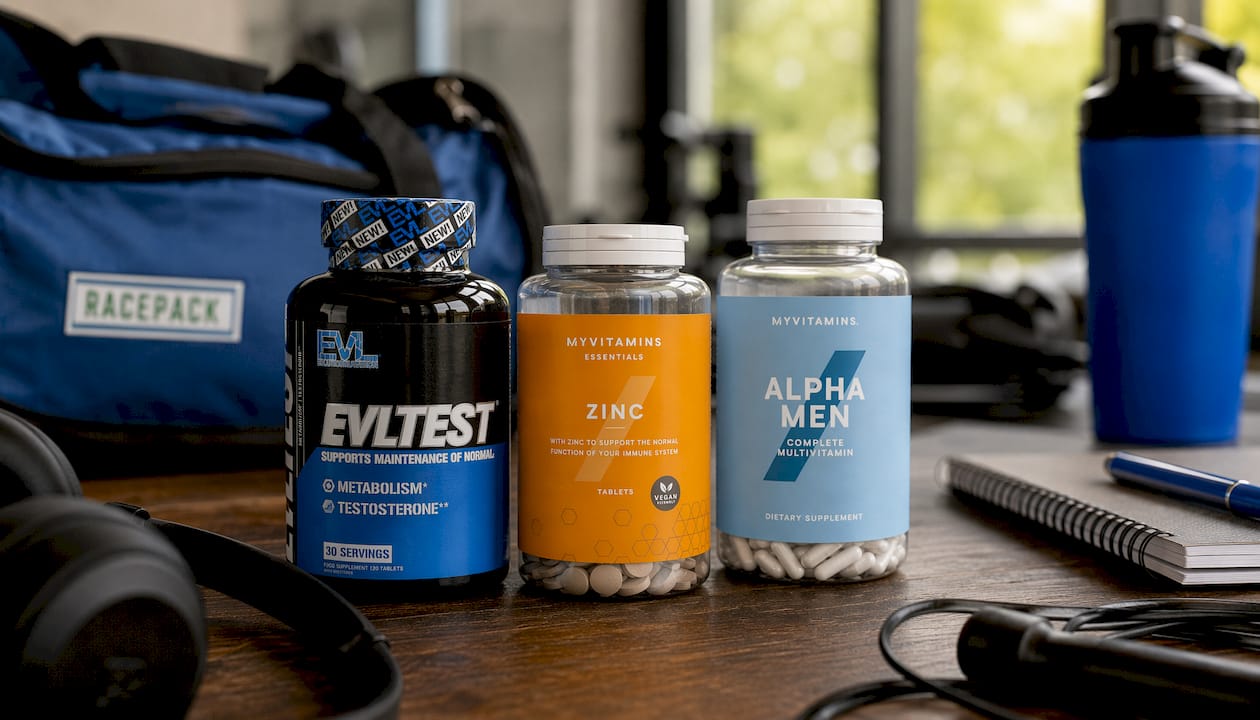
RacepackSingapore stocks authenticated sports nutrition and performance supplements from leading international brands, with next-day delivery in Singapore and a catalog built specifically for endurance athletes, competitive runners, and fitness-focused individuals. If your clinician has recommended a multivitamin, the Alpha Men Multivitamin from MyProtein covers broad-spectrum micronutrient support without excessive single-nutrient loading. For trace-mineral gaps common in plant-based or restricted diets, MyProtein Zinc tablets are a clean, straightforward option. Athletes in a strength training block who want to explore testosterone support alongside their program can review the EVLTest by EVLution Nutrition with their provider. Every product in the catalog is sourced for authenticity — no gray-market risk, no guessing about what is actually in the bottle.
Ready to stock your training kit with products you can trust? Buy Now at RacepackSingapore and get next-day delivery on your order.
FAQ
What are the most important supplements for most people?
For most healthy adults, no supplement is universally necessary. The exceptions with strong evidence are folic acid for pregnant people, vitamin B12 for vegans, and vitamin D for those with confirmed deficiency or limited sun exposure.
Which two supplements should not be taken together?
Vitamin K and warfarin is the most clinically significant pairing to avoid adjusting without medical supervision, as vitamin K directly affects how warfarin controls blood clotting. Iron and calcium also compete for absorption and should be taken at separate times of day.
What are the best dietary supplements for athletes?
Protein powder, creatine monohydrate, and electrolytes have the strongest evidence for athletic performance and recovery. A broad-spectrum multivitamin like MyProtein Alpha Men can fill micronutrient gaps in high-training-load periods.
What are the top three vitamins to take daily?
Vitamin D, vitamin B12, and folate are the three most frequently recommended for older adults, vegans, and people planning pregnancy when deficiencies or specific needs are confirmed. Healthy adults with varied diets often do not require daily supplementation.
Are supplements regulated by the FDA in the United States?
Supplements are regulated under DSHEA, but the FDA does not approve them for safety or efficacy before they go on sale. The FDA acts post-market, issuing recalls and warning letters after problems are identified.
How do I know if a supplement is safe to buy?
Look for a USP Verified or NSF Certified for Sport seal on the label, check the FDA’s tainted product database for your product category, and use Examine’s Safety Checker to screen for drug interactions before purchasing.
Can supplements help with weight loss?
The evidence for weight-loss supplements is consistently weak, and this product category has the highest rate of contamination and adulteration with undisclosed pharmaceuticals. No supplement has demonstrated meaningful, sustained weight loss independent of diet and exercise.
What does “proprietary blend” mean on a supplement label?
A proprietary blend lists multiple ingredients under a single combined weight, without disclosing individual doses. This makes it impossible to assess whether any single ingredient is present at a clinically effective amount.
How much vitamin D should I take daily?
The appropriate dose depends on your confirmed blood level (25-OH vitamin D test). Without a lab result, dosing should be conservative and ideally guided by a clinician. Higher therapeutic doses require clinician oversight.
Do multivitamins actually work?
For well-nourished adults, multivitamins show limited benefit in large clinical trials. They are most useful for people with restricted diets, older adults with declining absorption, or anyone whose clinician has identified multiple micronutrient gaps simultaneously.
What is the difference between USP and NSF certification?
USP Verified confirms identity, potency, purity, and manufacturing quality. NSF Certified for Sport additionally screens for substances banned in competitive sport, making it the preferred seal for athletes subject to drug testing.
Where can I report a bad reaction to a supplement in the United States?
Report adverse events through the FDA’s MedWatch portal at fda.gov/safety/medwatch. You can also call the FDA’s consumer complaint line. Reporting helps the FDA identify patterns and take post-market action on unsafe products.
This article is general information, not medical or nutritional advice. Confirm supplement choices and dosing with a qualified healthcare provider or registered dietitian for your specific situation.