

Cycling and Urban Sports: 2026 Guide for Endurance Athletes
TL;DR:
- Cycling and urban sports include activities like road cycling, BMX, skateboarding, and parkour, promoting city living, health, and community. They offer accessible entry points for all fitness levels and are paired with diverse event formats across the United States. Engaging with urban sports fosters community, supports sustainable transportation, and requires tailored nutrition and safety strategies.
What are cycling and urban sports, and why do they matter?
Cycling and urban sports cover a broad spectrum of activities: road cycling, BMX, skateboarding, parkour, inline skating, and push-scooting.
Together, they form a movement centered on active city living, physical health, and community connection. The Urban Cycling Institute recognizes cycling as a central element of healthy, active urban policy, promoting sustainability and fitness across diverse populations.
These disciplines share more than pavement. They offer accessible entry points for people of all fitness levels, and they turn city streets into training grounds.
- Road and urban cycling: commuting, endurance rides, and competitive criteriums
- BMX and skateboarding: skill-based, high-energy disciplines with deep cultural roots
- Parkour and inline skating: movement-focused sports that use urban architecture creatively
- Urban basketball (3x3): team sport increasingly featured alongside cycling at city festivals
The Glasgow Cycling and Urban Sports Strategy pioneered the formal pairing of cycling with wheeled urban sports, recognizing that their combined cultural appeal and financial accessibility broadens participation across age groups and backgrounds.
Types and formats of urban cycling events in the United States
Urban cycling events in the US range from casual social rides to elite criterium racing, and the variety means there is a format for every fitness level.
- Mass participation rides: car-free social events like the Philly Bike Ride, open to all ages and experience levels on closed city streets
- Century rides: the Denver Century Ride offers courses from 11.7 miles up to 100 miles, covering Denver’s neighborhoods, parks, and bike lanes
- Criterium races: high-speed circuit races on closed urban courses, featuring amateur through professional categories
- City scavenger hunts: events like Portland’s Cycle Quest send riders across city streets to solve clues and earn points, with all bike types welcome
- Guided city bike tours: paced for beginners, typically covering moderate distances over a few hours
Urban cycling events range from 10 to 100 miles, making them genuinely accessible whether you are a first-timer or a seasoned endurance athlete. Guided tours, by contrast, prioritize exploration over distance, usually running 1.5–2 hours at a relaxed pace.
Pro Tip: Match your event format to your current fitness base. If you are building endurance, a mass participation ride or a 25-mile course gives you race-day experience without the intensity of a criterium. Once your threshold work is solid, step up to the competitive circuit formats.
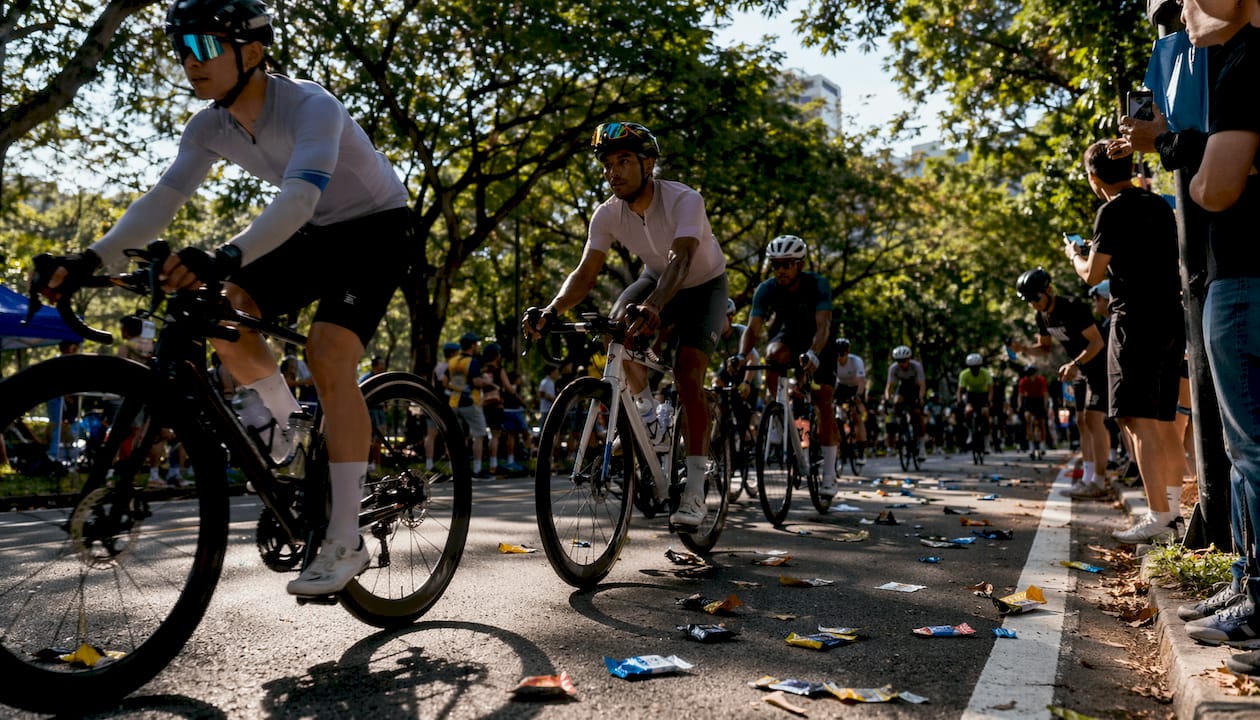
How cycling connects with other urban sports and lifestyle activities
Urban sports festivals are where cycling’s community power really shows. Events like the Brussels Urban Sessions combine BMX freestyle, skateboarding, parkour, 3x3 basketball, street art, and live music into full lifestyle experiences that attract audiences well beyond the traditional cycling crowd.
Pairing cycling with BMX and skateboarding broadens demographic appeal and increases inclusivity, drawing in younger participants and communities that might not engage with road cycling alone. Urban sports festivals transform athletic competition into dynamic lifestyle experiences, fostering social cohesion across neighborhoods.
- Cross-training with skateboarding builds balance and lower-body coordination that transfers directly to technical cycling
- Parkour develops spatial awareness and explosive power useful for criterium cornering
- 3x3 basketball adds cardiovascular variety and team-based motivation to a solo-heavy training week
For endurance athletes, engaging with the broader urban sports scene keeps training fresh and builds the kind of community accountability that sustains long-term performance.
Sports nutrition and performance products for urban endurance athletes
Urban cycling demands a specific nutrition approach. Stop-and-go city riding blends short power bursts with sustained aerobic effort, so your fueling strategy needs to cover both ends. Recreational urban cyclists often underestimate dehydration risk; electrolytes and accessible energy snacks are critical for maintaining focus during rides lasting 1.5–3 hours.
Key nutrition categories and products:
- Energy gels: GU Energy Gel delivers rapid carbohydrates for quick energy absorption during high-intensity urban efforts. Maurten gels use a hydrogel technology that reduces gastrointestinal stress, making them popular for longer endurance events. SIS (Science in Sport) gels are isotonic, meaning no water is needed for absorption.
- Hydration and electrolytes: HIGH5 ZERO+ electrolyte sachets replenish sodium, potassium, and magnesium lost during urban heat riding. The HIGH5 Isotonic Hydration Drink supports sustained fluid balance across longer rides.
- Protein and recovery: Optimum Nutrition’s protein formulas support muscle repair after hard training blocks. MyProtein Pea Protein Isolate offers a plant-based recovery option with creatine included.
- Performance tracking: Garmin GPS watches like the Forerunner 165 track heart rate, pace, and route data, giving you the metrics to train smarter across urban terrain.
Pro Tip: For criterium-style rides or any urban event with repeated hard efforts, take a GU Energy Gel 10–15 minutes before your start and then every 45 minutes during the ride. Pair with an electrolyte drink rather than plain water to prevent cramping on technical corners.
Practical tips for safe and effective urban cycling and sports participation
Safety and performance go together in city riding. Urban terrain introduces variables that trail or track riding does not: traffic signals, tram tracks, pedestrians, and unpredictable road surfaces.
- Wear high-visibility gear: a bright jersey and front/rear lights are non-negotiable, even in daylight. Check urban cycling safety strategies for current gear recommendations and participation data.
- Pre-ride your route: knowing where the technical sections, tight corners, and road hazards are lets you pace and position yourself confidently
- Fuel before you feel hungry: urban rides with frequent stops disrupt your eating rhythm. Eat proactively, not reactively.
- Carry electrolytes, not just water: plain water dilutes sodium during rides over 90 minutes, increasing cramp risk
- Signal clearly and predictably: hand signals and eye contact with drivers reduce conflict at intersections
- Pace the first third conservatively: in mass participation rides and criteriums alike, going out too hard in city traffic leads to early fatigue and poor decision-making
Pro Tip: Use interval nutrition for criterium-style events: a fast-absorbing gel at the start line, a second gel mid-race, and an electrolyte drink at the finish. This three-point strategy covers the rapid energy demands of high-speed urban circuits without overloading your stomach.
Popular urban cycling events in US cities
Several US cities host standout urban cycling events worth putting on your calendar.
Chicago’s Fulton Market Grand Prix is one of the country’s premier criterium festivals. Held in the Fulton Market District, the event features amateur through professional categories in the American Criterium Cup series, with racers hitting speeds above 35 mph on a closed urban circuit. A community ride and charity relay run alongside the elite racing, making it accessible for all levels.
Philadelphia’s Philly Bike Ride takes over the city’s streets on a fully closed 20-mile course past iconic landmarks. It is a ride, not a race, welcoming cyclists of all ages and abilities, with live entertainment and a finish festival included.
Denver Century Ride covers the full range from a short 11.7-mile ice cream ride to a 100-mile century, all on urban Denver routes through neighborhoods, parks, and bike lanes.
Portland’s Cycle Quest turns the city into a points-based scavenger hunt, with 150 riders competing across all bike types. Every registration supports the Community Cycling Center’s free bike programs serving over 2,500 Portlanders annually.
What’s new in urban cycling and urban sports gear for 2026
The gear side of urban sports is moving fast. A few trends stand out for endurance athletes and fitness enthusiasts right now.
Garmin’s latest GPS watches, including the Forerunner 265 and Vivoactive 5, now integrate real-time training load and recovery metrics directly into daily workout planning. For urban cyclists navigating varied terrain and event formats, that data removes the guesswork from periodization.
E-bikes are gaining serious traction in urban sports contexts, not just commuting. Lighter frames and longer battery ranges are making them viable for fitness riders who want to extend their city ride distances without sacrificing recovery. Helmet technology has also advanced, with MIPS-equipped lids now standard at most price points above entry level.
On the nutrition delivery side, portable supplement storage like the MyProtein Supplement Storage Box makes it easier to carry pre-measured doses of protein, electrolytes, and vitamins to events without overpacking.
Training programs and conditioning for urban cycling and related sports
Urban cycling training differs from traditional road cycling preparation because of the stop-and-go demands and technical cornering required in city environments.
The most effective urban cycling training programs combine three elements: threshold intervals for sustained power output, short sprint repeats for criterium-style accelerations, and mobility work to support the hip flexors and lower back stressed by aggressive riding positions.
Cross-training with skateboarding or parkour builds the balance and reactive strength that translates directly to bike handling on technical urban courses. For athletes following a structured plan, the RacepackSingapore cycling nutrition guide covers how to align your fueling strategy with training phases, from base building through race week.
Recovery is where most urban athletes leave performance on the table. Prioritizing protein intake within 30–45 minutes of a hard session, using products like MyProtein EAA Powder, accelerates muscle repair and reduces next-day soreness.
Community and social aspects of urban cycling culture
Urban cycling culture is built on shared experience. Group rides, club events, and city-wide festivals create social bonds that keep athletes motivated through training blocks that would otherwise feel isolating.
The Community Cycling Center’s Cycle Quest model illustrates this well: every registration directly funds free bike programs for over 2,500 Portlanders each year, turning a personal fitness event into collective community investment. The Urban Cycling Institute frames this connection explicitly, describing urban cycling as a lens for exploring community health, mobility equity, and city design.
Online communities, local cycling clubs, and social ride groups extend that connection beyond event days. For endurance athletes, training partners who share your goals and your city routes are among the most reliable performance accelerators available.
Environmental and sustainability considerations in urban cycling
Cycling is one of the lowest-carbon transportation modes available in any city. Replacing even a portion of car trips with bike commutes or urban rides meaningfully reduces emissions, road congestion, and noise pollution.
City governments are responding. Glasgow’s Cycling and Urban Sports Strategy explicitly links cycling infrastructure investment to transport sustainability goals, connecting active travel networks to everyday urban journeys. US cities like Denver and Philadelphia have invested in protected bike lanes and car-free event routes that make cycling safer and more practical for daily use.
For endurance athletes, choosing cycling as both a sport and a commuting mode compounds the environmental benefit. You train, you reduce your carbon footprint, and you build familiarity with the urban routes you will race on. That combination is hard to beat.
Key Takeaways
Urban cycling and urban sports deliver the strongest results when athletes pair smart event selection with consistent nutrition and targeted training.
| Point | Details |
|---|---|
| Event range | US urban cycling events offer courses from 10 to 100 miles, making them accessible for all skill levels. |
| Nutrition timing | Take a fast-absorbing gel 10–15 minutes before effort and every 45 minutes during riding. |
| Electrolytes matter | Rides over 90 minutes require electrolyte replenishment, not just water, to prevent cramping. |
| Cross-training value | BMX, skateboarding, and parkour build balance and explosive power that transfers to urban cycling. |
| Community impact | Portland’s Cycle Quest funds free bike programs for over 2,500 residents annually through rider registrations. |
Fuel Your Next Urban Ride with RacepackSingapore
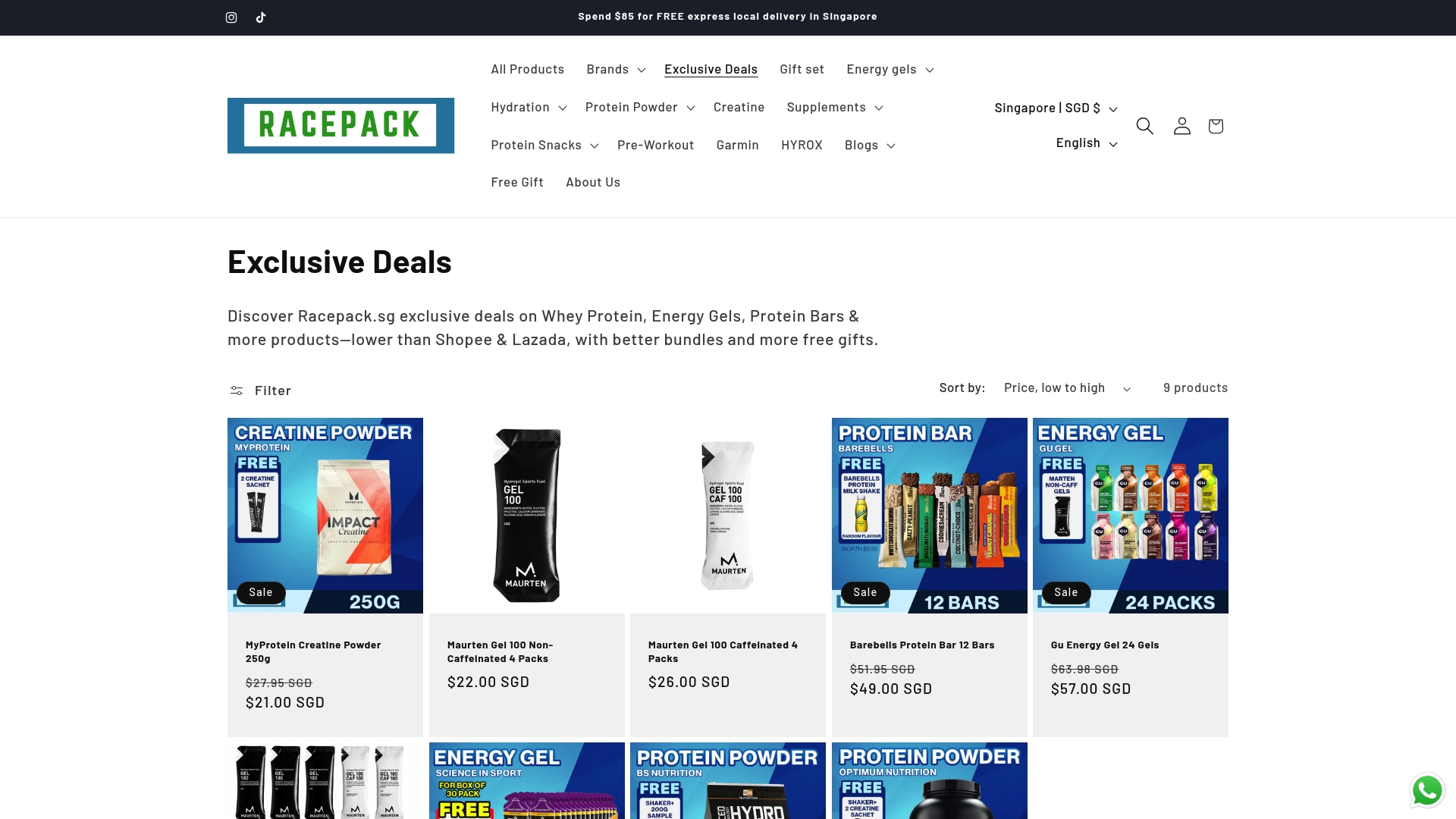
Whether you are lining up for a criterium, joining a city-wide social ride, or building your base for a century event, the right nutrition makes the difference between finishing strong and fading out. RacepackSingapore carries the full range of performance products you need, from GU Energy Gels and HIGH5 electrolytes to Garmin GPS watches and MyProtein recovery formulas. Every product is authentic, and we back it with fast delivery so you are never caught underprepared on race day.
Buy Now and fuel your urban performance
FAQ
What are the best urban sports for endurance athletes to cross-train with?
BMX, skateboarding, and parkour are the most effective cross-training options for urban cyclists. They build balance, explosive power, and spatial awareness that transfer directly to technical city riding and criterium cornering.
How much should I eat and drink during a 2-hour urban cycling event?
Take an energy gel every 45 minutes and drink an electrolyte solution rather than plain water throughout. Recreational urban cyclists frequently underestimate dehydration risk, especially in fluctuating urban heat during rides lasting 1.5–3 hours.
What nutrition products work best for criterium-style urban races?
Fast-absorbing gels like GU Energy Gel are the standard for criterium racing, where high-speed efforts demand rapid carbohydrate delivery. Pair with an electrolyte drink at the finish to support recovery between heats.
Which Garmin watch suits urban cycling training?
The Garmin Forerunner 165 and Forerunner 265 both track heart rate, GPS route data, and training load metrics suited to urban cycling. The Forerunner 265 adds real-time recovery tracking, which is useful for athletes managing multiple training disciplines.
Are urban cycling events in the US beginner-friendly?
Yes. Events like the Philly Bike Ride and Denver Century Ride are explicitly designed for all skill levels, with car-free routes, multiple distance options, and paced formats that welcome first-time participants alongside experienced riders.
What electrolyte products does RacepackSingapore recommend for urban rides?
HIGH5 ZERO+ electrolyte sachets and the HIGH5 Isotonic Hydration Drink are both well-suited for urban endurance riding. They replenish sodium, potassium, and magnesium lost during city rides in warm conditions.
How do I find urban cycling events near me in the US?
USA Cycling’s national event calendar and local cycling club websites list criteriums, century rides, and mass participation events by city. Events like the Fulton Market Grand Prix in Chicago and Cycle Quest in Portland are well-established annual fixtures.
What recovery products should urban athletes prioritize after hard training sessions?
Protein intake within 30–45 minutes of a hard session is the highest-priority recovery action. MyProtein EAA Powder and MyProtein Pea Protein Isolate are both effective options available through RacepackSingapore’s catalog.