

Why Core Stability Improves Hyrox Performance and Race Times
Core stability improves HYROX performance because it increases force transfer at every station, cuts down energy leaks during transitions, and keeps your posture intact when fatigue tries to fold you in half at kilometer six. A stable trunk also lowers your risk of lower back and hip strain during sleds, lunges, and carries.
Here’s what that looks like on race day:
- Sled push and pull: a braced trunk keeps force going forward into the sled instead of leaking sideways or into your lower back.
- Farmer’s carry and lunges: stable hips mean fewer wobbles, which means less wasted energy per rep.
- Running between stations: less lateral sway keeps your pace steady even when your legs are screaming.
Pro Tip: Start with 10 minutes of anti-movement core work twice a week, plus one loaded carry variation. That’s enough to see change in a HYROX training cycle before you add anything more complicated.
Key Takeaways
Core stability improves HYROX performance by increasing force transfer at each station, reducing energy leaks, and preserving posture and running economy as fatigue accumulates.
| Point | Details |
|---|---|
| Stability beats isolated strength | Sport-specific core control transfers better to race stations than crunches or sit-ups alone. |
| Energy leaks are real | Poor hip and trunk stability can waste 5 to 10 percent more energy per stride. |
| Train combined, not isolated | Pairing core work with carries, sleds, and lunges outperforms standalone core circuits. |
| Expect gains in 4 to 8 weeks | Balance and stability improvements typically show up within this window with 2 sessions per week. |
| Support recovery with hydration | RacepackSingapore’s electrolyte and gift set products help sustain training quality between sessions. |
Table of Contents
- What Is Core Stability, and How Is It Different From Core Strength?
- How Does Core Stability Affect Each HYROX Station?
- Does the Research Actually Back Core Training for Performance?
- Which Core Exercises Transfer Best to HYROX Training?
- When Should You Add Core Work to Your HYROX Training Week?
- How Do You Know Your Core Stability Is Actually Improving?
- How Does Core Stability Prevent Injuries and Delay Fatigue?
- What Does a HYROX Core Micro-Workout Look Like?
- What Mistakes Keep Core Training From Transferring to HYROX?
- How Do Experienced HYROX Coaches Prioritize Core Training?
- Which Racepack.sg Products Support Core-Focused HYROX Training?
- Sources
- FAQ
What Is Core Stability, and How Is It Different From Core Strength?
Core strength is how much force your midsection can produce. Core stability is your ability to control your trunk and hips when something tries to move them against your will. A sled trying to twist you sideways, a kettlebell pulling you off balance during a carry, a wall ball throwing off your spine’s neutral position at rep 40 all test stability, not raw strength.
The core isn’t just your abs. It includes the obliques, transverse abdominis, erector spinae, diaphragm, pelvic floor, and glutes, working together to keep your spine and pelvis in a stable position under load. Deficits in hip control specifically increase energy leak during station tasks and raise injury risk during lunges and carries.
- Core strength: how hard your midsection can contract.
- Core stability: how well your midsection resists unwanted movement.
- Both matter, but stability is what breaks down first under HYROX-style fatigue.
Pro Tip: Practice “bracing” like you’re about to take a punch to the stomach, not sucking your belly in. That single cue fixes more sloppy sled pushes than any amount of extra ab work.
How Does Core Stability Affect Each HYROX Station?
Every HYROX station asks your trunk to resist a different kind of force, and a weak link shows up as wasted effort rather than a dramatic failure.
- Running: a stable core reduces lateral trunk sway, which keeps stride mechanics efficient over eight repeated runs.
- Sled push and pull: stability prevents your spine from extending or collapsing, so the force from your legs actually reaches the sled instead of leaking through your lower back.
- Farmer’s carry: lateral control keeps the load from pulling you into a side bend that burns extra energy with every step.
- Sandbag lunges: single-leg stability through the hip keeps your knee tracking properly and your pelvis from dropping on each rep.
- Rowing, SkiErg, and wall balls: force generated by your arms and legs has to pass through your trunk to be useful, and a stable midline is what makes that transfer efficient instead of leaky.
Think of a weak core like a loose fan belt. Some power still gets through, but a chunk of it dissipates as slack instead of driving the wheel. Applied research on HYROX-specific movement patterns estimates that poor hip and trunk stability can waste 5 to 10 percent more energy per stride compared to a well-controlled trunk. Over an 8-kilometer race split across eight stations, that adds up to real minutes.
Pro Tip: Practice a Pallof press for 30 seconds before every sled push set in training. It rehearses the exact anti-rotation bracing pattern you need when the sled tries to twist you off your line.
Does the Research Actually Back Core Training for Performance?
The honest answer is: it depends on how you train it. A systematic review of core training and athletic performance found limited and mixed evidence that core stability training alone reliably boosts performance across the board. Some studies show gains, others show none, largely because many programs test core work in isolation rather than tying it to sport-specific movement.
Where the evidence gets stronger is when core training is combined with movement patterns that mirror the sport. A 2023 meta-analysis found large improvements in balance (effect size of 1.17) along with meaningful gains in jump and throw performance, and combined core training consistently outperformed isolated core-only work. Separate analysis backs this up: sport-specific core integration produces better transfer to actual tasks than crunches and planks done in a vacuum.
- Core training alone: inconsistent performance carryover.
- Core training combined with sport movement: consistently better results.
- Isolated ab work: weakest link to race-day transfer.
Targeted core training that mimics the loads, angles, and fatigue states of your sport produces the most reliable performance gains, according to the sport-specific training research reviewed above. Generic core circuits copied from a bodybuilding program don’t carry the same weight.
Pro Tip: Judge any core exercise by one question: does it look like something that happens during a sled push, carry, or lunge? If not, it’s a supplement to your training, not the core of it.
Which Core Exercises Transfer Best to HYROX Training?
Rank these by how directly they map to race demands, not by how much they burn.
- Anti-rotation and anti-extension work. Pallof press and dead bug drills teach your trunk to resist twisting and arching, the exact forces you fight during sled work and rowing. Progress by increasing the band tension or slowing the tempo.
- Loaded carries. Suitcase, rack, and overhead kettlebell carries build the lateral and rotational control needed for farmer’s carries. Progress by increasing distance first, then load, then switching to uneven loading (one heavy side, one light).
- Single-leg stability work. Bulgarian split squats and single-leg RDLs train the hip control that keeps sandbag lunges clean late in a race. Progress from bodyweight to a light dumbbell, then add a pause at the bottom.
- Planks and side planks. Useful as a baseline endurance builder, but they’re a floor, not a ceiling, for HYROX-specific stability.
- Dynamic bracing drills for wall balls and lunges. Practice bracing right before the eccentric phase of a squat or lunge, since that’s the moment posture typically breaks down.
Practical notes on execution:
- Film your carries and lunges from the side; posture breakdown shows up clearly on video that’s invisible in the mirror.
- If you don’t have a coach, compare your form against demonstration videos for each movement before adding load.
- Kettlebell carries in particular translate directly to HYROX because they replicate the long, asymmetric loading you face mid-race.
Pro Tip: Add carries and anti-rotation work to the same session as your sled or lunge training. Practicing them adjacent to the actual movement builds the neural pattern faster than doing core work on a separate “abs day.”
When Should You Add Core Work to Your HYROX Training Week?
Core stability work fits best right after your strength session or as a short standalone block, never as a substitute for your running or sled volume.
- Monday: strength session, finish with 10 minutes of anti-rotation and carry work.
- Wednesday: interval running, add core after if energy allows.
- Friday: second dedicated core block paired with sled or lunge practice.
- Weekend: longer HYROX simulation session where stability gets tested under real fatigue.
Most core drills for HYROX respond better to higher reps and longer holds than to heavy loading. Think 30 to 45 second holds for planks and Pallof presses, and 20 to 40 meter carries rather than maxing out weight early. Add load only once form holds steady through the last rep of a set.
| Week | Focus | Volume Guidance |
|---|---|---|
| 1-2 | Learn bracing and control | 2 sessions/week, bodyweight or light load, 30-second holds |
| 3-4 | Add load and distance | 2 sessions/week, increase carry distance or band tension |
| 5-8 | Train under fatigue | Add core drills after runs or sled work to mimic race conditions |
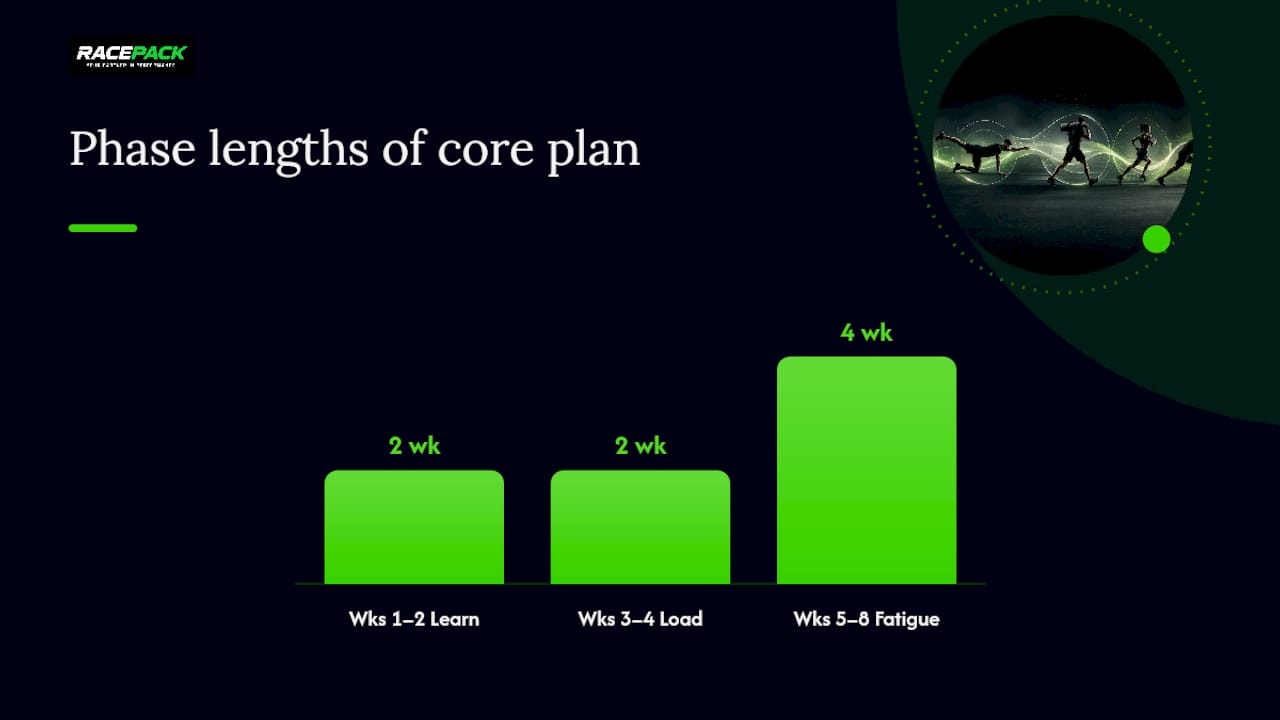
Expect meaningful transfer to your stations within 4 to 8 weeks, in line with the balance and stability gains reported in controlled training studies. Pair this with your running-specific cross-training to avoid overloading the same movement patterns twice in one week.
How Do You Know Your Core Stability Is Actually Improving?
- Plank hold test. Track total time to failure with strict form, retested every 4 to 8 weeks under the same conditions.
- Side plank hold. Compare left versus right side to catch asymmetries before they show up as race-day compensations.
- Pallof press endurance. Count total reps or hold time before your hips start to rotate.
- Loaded carry distance. Track how far you can carry a fixed load before your form breaks down.
- Single-leg balance. A simple single-leg stance or reach test flags hip control gaps that crunches never expose.
Test fresh, not fatigued, and keep your setup identical every time (same shoes, same surface, same time of day) so the numbers actually mean something.
On the race floor, look for: less trunk sway in your final two runs, sled pushes that stay level instead of veering, and fewer posture breaks during your last round of wall balls.
Pro Tip: Log your test numbers in the same notes app you use for training splits. A core stability trend line is just as useful as a 5K time when you’re planning your next build.
How Does Core Stability Prevent Injuries and Delay Fatigue?
A trunk that collapses under load doesn’t just slow you down, it redirects force somewhere your body wasn’t built to absorb it. When your spine flexes or extends excessively during a sled push, the load shifts toward your lumbar discs instead of your legs. Collapsing hips during lunges shove extra stress onto your knees.
Fatigue compounds this. As your core tires late in a race, your running form degrades, and the energy leak from poor trunk control gets worse exactly when you can least afford it. That’s the mechanism behind why athletes with strong stability tend to hold pace better in the back half of a HYROX race.
- Weak trunk control under fatigue increases spinal loading during sleds and lunges.
- Poor posture late in a race compounds energy waste stride after stride.
- Core endurance work, not maximal strength, is what protects you here.
Pro Tip: Give your core the same recovery respect you give your legs. Pair heavy core sessions with mobility work and adequate recovery nutrition rather than stacking two high-intensity core days back to back.
What Does a HYROX Core Micro-Workout Look Like?
This session runs 12 to 20 minutes and slots in twice a week after strength or running.
- Warm-up (2 minutes): cat-cow stretches and glute bridges to wake up the trunk and hips.
- Pallof press (3 sets of 30 seconds per side): anti-rotation control for sled and carry work.
- Suitcase carry (3 rounds of 20 to 30 meters per side): direct carryover to farmer’s carry stations.
- Dead bug (3 sets of 10 per side): trunk control without spinal movement.
- Side plank with reach (2 sets of 30 to 45 seconds per side): lateral stability under time.
- Finisher: carry to lunge transition (2 rounds): simulates the fatigue and transition pattern of race day.
Scaling notes:
- Beginners: reduce hold times and use lighter carry loads until form is consistent.
- Advanced athletes: add uneven loading to carries and extend hold times before adding weight.
Coach note: progress by extending time under tension before you add load, and never add both in the same week.
What Mistakes Keep Core Training From Transferring to HYROX?
- Training crunches as your only core work. They build strength in one plane and ignore the anti-rotation demands of sleds and carries.
- Grinding core drills to failure. Sloppy reps near failure teach compensation patterns, not stability.
- Adding load before control is solid. Heavy carries with poor bracing build bad habits faster than they build strength.
Pro Tip: Prioritize anti-movement drills over movement-heavy ones early in your training block, then layer in carries and dynamic bracing as your base control improves.
How Do Experienced HYROX Coaches Prioritize Core Training?
Coaches building HYROX athletes tend to treat core stability as a supporting system, not a separate training block. Early in a build phase, anti-rotation drills like the Pallof press get priority because they teach control before load gets added. Closer to race day, the focus shifts toward loaded carries and fatigue-state work, since that’s what most closely mirrors what actually breaks down mid-race.
Which Racepack.sg Products Support Core-Focused HYROX Training?
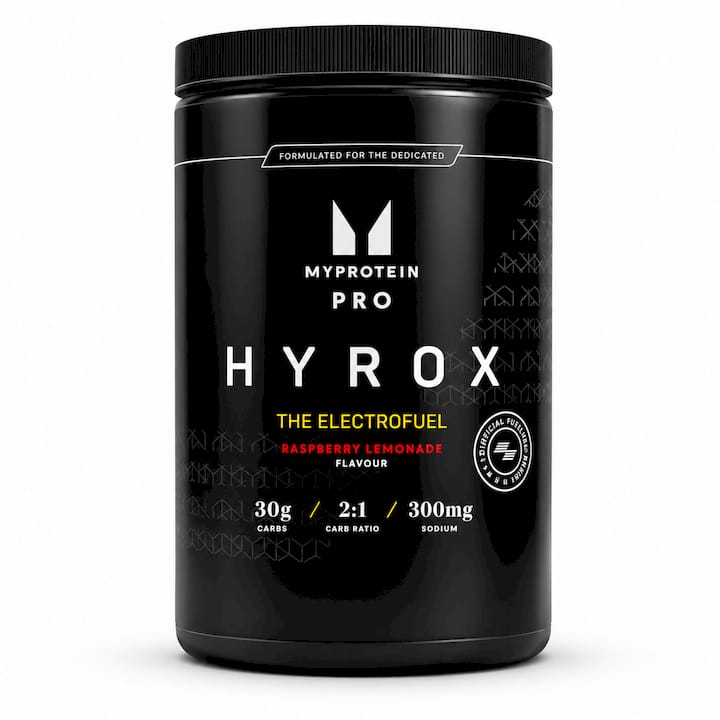
Core stability work only pays off if your body can actually recover between sessions and stay hydrated through fatigue-state training. Dehydration and poor electrolyte balance make bracing harder to sustain, which undermines the exact control you’re trying to build.
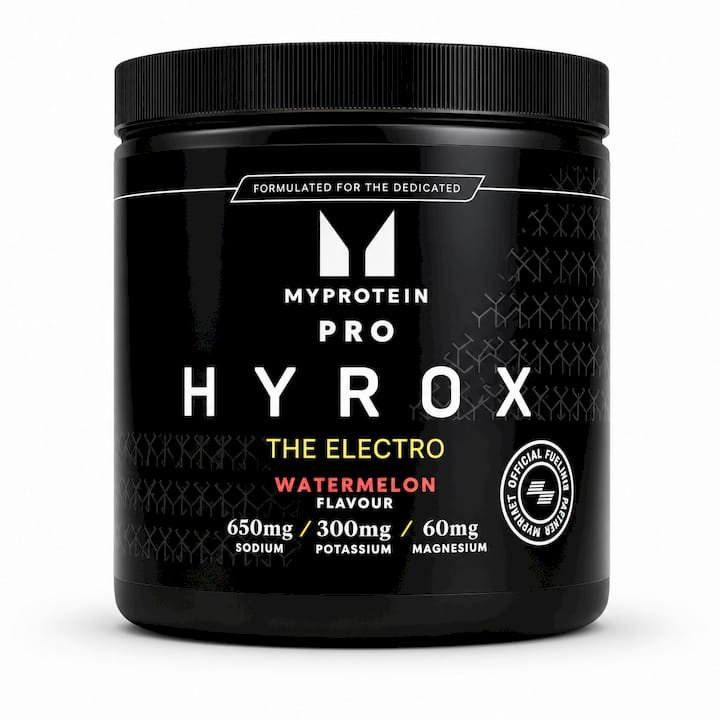
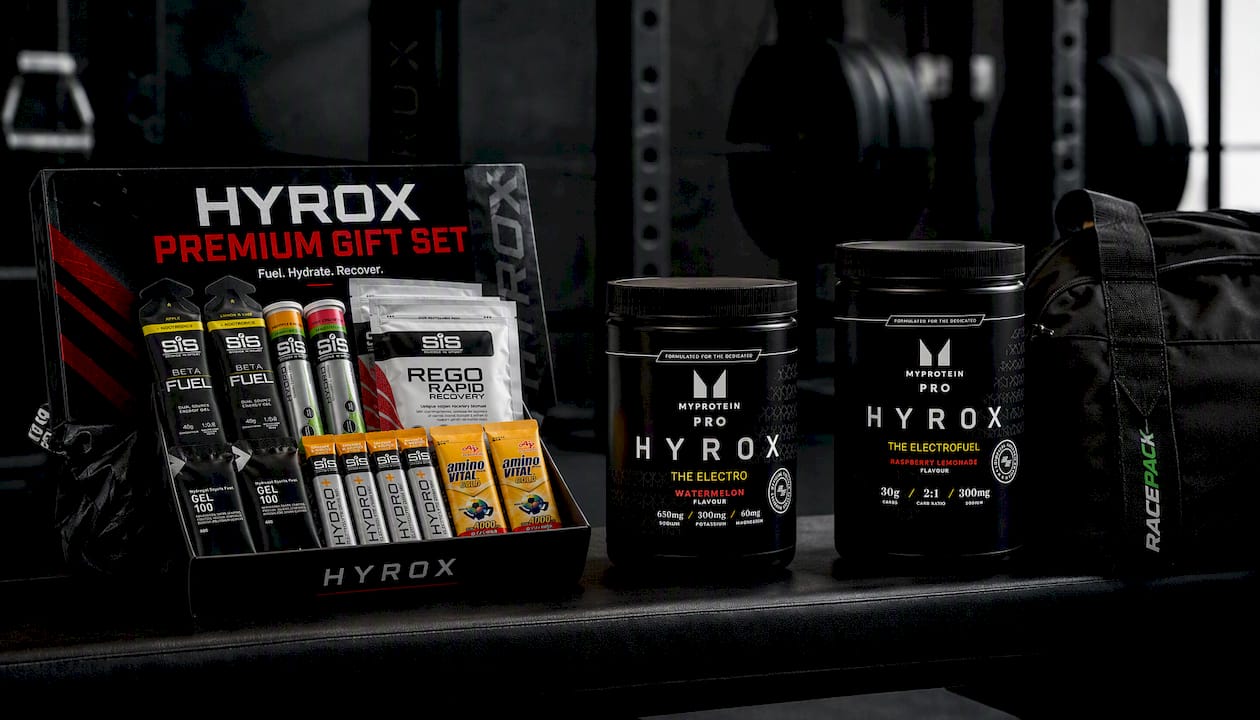
For athletes putting in the carry work, sled sessions, and fatigue-state training described above, the HYROX Athletes Performance Premium Gift Set bundles training and recovery essentials into one order instead of piecing together separate purchases from multiple brands. During longer core-and-conditioning sessions, MyProtein HYROX The Electro Drink Mix helps maintain hydration so your bracing doesn’t fall apart in the back half of a workout. For heavier training blocks where cramping risk climbs, MyProtein HYROX The Electrofuel Electrolyte Powder replenishes what you sweat out and supports recovery between sessions.

RacepackSingapore ships next-day within Singapore and guarantees authentic stock from every brand carried, so you’re training with what the label promises, not a knockoff. Browse the full HYROX product range and place your order today to fuel the next phase of your training.
Sources
- Sport-specific core training insight (MDPI)
- Core training and athletic performance: systematic review (PMC)
- Core training and performance: a systematic review with meta-analysis (BiolSport, 2023)
FAQ
Why Is Core Stability So Important for HYROX?
Core stability keeps force moving efficiently through your body during sleds, carries, and lunges, and it prevents posture collapse as fatigue builds over the race. Without it, energy leaks out sideways or into your lower back instead of driving the movement forward.
What Are Some Good Core Exercises for HYROX?
Pallof presses, dead bugs, suitcase carries, and single-leg RDLs top the list because they train anti-rotation and hip control, the exact demands of HYROX stations. Traditional crunches offer far less carryover to race tasks.
What Are the Signs That My Core Is Getting Stronger?
Look for less trunk sway during running, steadier sled pushes that stay on a straight line, and fewer posture breaks during wall balls and lunges late in a workout. Improved plank and Pallof press hold times confirm the trend numerically.
What Sport Requires the Strongest Core?
Sports with rotational, asymmetric, or high-fatigue demands, like HYROX, wrestling, and rowing, place some of the heaviest demands on core stability because athletes must resist unwanted trunk movement under repeated load. HYROX is unusual in combining running, loaded carries, and strength stations back to back, which stresses trunk control differently than single-discipline sports.
How Long Does It Take to See Core Stability Gains in HYROX Training?
Most athletes notice measurable improvement in balance and stability tests within 4 to 8 weeks of consistent training, based on gains reported in controlled studies. Race-day transfer, like steadier sled pushes, often follows shortly after.
Is Core Strength the Same as Core Stability?
No. Core strength is how much force your midsection can produce, while core stability is your ability to resist unwanted movement under load. HYROX rewards stability more than raw strength because most stations test control, not maximal output.
How Often Should I Train Core Stability for HYROX?
Two dedicated sessions per week, each lasting 12 to 20 minutes, is enough to build meaningful transfer without cutting into your running or strength volume. Add core drills after your main session rather than as a separate training day.
Do Planks Actually Help With HYROX Performance?
Planks build baseline endurance but offer limited direct transfer compared to carries and anti-rotation drills. Use them as a foundation, not your main tool.
Can Core Training Alone Improve My HYROX Time?
Not reliably on its own. Research shows core training combined with sport-specific movement, like carries and sled work, produces more consistent performance gains than isolated core-only programs.
What Should I Eat or Drink to Support Core and Fatigue Training?
Staying hydrated and replacing electrolytes helps you sustain bracing and posture through longer training sessions. Products like MyProtein HYROX The Electrofuel Electrolyte Powder support that during heavier training blocks.
Does Core Stability Help Prevent Injuries in HYROX?
Yes. A stable trunk reduces excessive spinal loading during sleds and prevents hip and knee stress during lunges and carries, both common injury points in HYROX training.
Should Beginners Focus on Core Stability Before HYROX-Specific Training?
Beginners benefit from building basic bracing and control first, using bodyweight anti-rotation drills, before adding load through carries or sled work. This reduces the risk of reinforcing poor movement patterns early on.