

5-HTP Benefits, Dosage, and Safety: 2026 Guide
TL;DR:
- HTP is a natural amino acid that directly supports serotonin production in the brain. It is mainly sourced from Griffonia seeds and helps improve mood and sleep when taken correctly. Proper dosing, timing, and cycling are essential for safe and effective use.
5-HTP, or 5-Hydroxytryptophan, is defined as a naturally occurring amino acid and the direct precursor to serotonin in the human brain. Your body produces it from tryptophan, but supplementing with 5-HTP bypasses a key bottleneck in that process, making it one of the most direct natural ways to support serotonin levels. Athletes, fitness enthusiasts, and anyone managing stress, poor sleep, or low mood have turned to this supplement for its potential to support mental wellness without a prescription. Sourced primarily from the seeds of Griffonia simplicifolia, a West African plant, 5-HTP is available in capsule and tablet form from brands including NOW Foods and Orzax.
How does 5-HTP work in the brain?
5-HTP converts directly into serotonin inside the central nervous system. This conversion happens after 5-HTP crosses the blood-brain barrier, a selective filter that blocks most large molecules. Tryptophan, by contrast, must first be converted to 5-HTP by the enzyme tryptophan hydroxylase before serotonin synthesis can begin. 5-HTP bypasses this rate-limiting step, which explains why its effects on serotonin levels are faster and more direct than tryptophan supplementation.
Serotonin itself regulates mood stability, appetite, and the sleep-wake cycle. Once serotonin is produced, the brain can further convert it into melatonin through the pineal gland, which is why 5-HTP supports both mood and sleep through a single pathway. A 2023 meta-analysis of 14 RCTs found a moderate mood enhancement effect size of Cohen’s d=0.53. That figure places 5-HTP in the range of a meaningful but not dramatic effect, which is consistent with what most users report.
Pro Tip: Take 5-HTP on an empty stomach. Protein amino acids from food compete for the same blood-brain barrier transport system, which reduces how much 5-HTP actually reaches your brain.
- Serotonin supports emotional regulation, satiety signals, and sleep onset
- Melatonin synthesis from serotonin explains the supplement’s sleep benefits
- The blood-brain barrier crossing is what makes 5-HTP more efficient than tryptophan
- Griffonia simplicifolia seeds are the primary commercial source, though newer production methods use engineered bacteria and yeasts
What is the right 5-HTP dosage for mood and sleep?
Clinical trials use doses ranging from 100mg to 300mg daily, with study durations running from 2 to 12 weeks. Starting at the lower end of that range gives your body time to adjust and helps you identify your personal tolerance before increasing.
Dosage protocol by goal
- Start low: Begin with 50mg once daily for the first week. This minimizes nausea and lets you gauge your response.
- Titrate gradually: Increase to 100mg daily in week two if you tolerate the starting dose well.
- Target range: Most people find 100mg to 200mg daily sufficient for mood and sleep support.
- Upper limit: The safe upper limit is around 400mg per day for up to one year, but doses above 300mg show diminishing returns.
- Review regularly: Reassess your response every 4–6 weeks to decide whether to continue, adjust, or pause.
Timing strategies
| Goal | Recommended timing | Notes |
|---|---|---|
| Sleep support | 30–60 minutes before bed | Onset within 15–30 minutes; peak effects last 1–2 hours |
| Mood support | Split dose: morning and midday | Maintains steadier serotonin levels through the day |
| Appetite regulation | 30 minutes before meals | Supports satiety signaling via serotonin |

Pro Tip: Consistency in timing matters more than hitting an exact clock time. Pick a schedule you can maintain daily, whether that is morning or evening, and stick to it. Consistent dosing timing produces more predictable results than irregular use.
The dose-response curve for 5-HTP is non-linear. Going above 300mg daily does not produce proportionally stronger benefits. It does, however, increase the risk of nausea and gastrointestinal discomfort. More is not better with this supplement.
What are the side effects and safety risks of 5-HTP?
5-HTP carries real safety considerations that every user should understand before starting. The most serious risk is serotonin syndrome, a potentially dangerous condition caused by excess serotonin activity in the nervous system.
Key safety warnings
- Drug interactions: Combining 5-HTP with SSRIs, MAOIs, or other antidepressants creates a high risk of serotonin syndrome. Never stack these without direct medical supervision.
- Common mild side effects: Nausea, diarrhea, stomach cramps, and fatigue are the most frequently reported, especially at higher doses.
- Dose-related toxicity: Doses above 6–10g per day are linked to toxicity. Standard supplementation doses are far below this threshold, but it underscores the importance of not exceeding recommended amounts.
- Catecholamine depletion: Long-term daily use without cycling may deplete dopamine and norepinephrine because these neurotransmitters share metabolic pathways with serotonin.
- Eosinophilia-myalgia syndrome (EMS): A rare but serious condition linked to contaminated batches in the past. Buying from reputable, tested sources reduces this risk significantly.
Important: If you take any prescription medication that affects serotonin, including tramadol, St. John’s Wort, or lithium, consult a healthcare professional before adding 5-HTP to your routine. This is not optional caution. It is a genuine safety requirement.
The serotonin theory of depression is itself debated in current research. 5-HTP supports serotonin production, but it is not a substitute for professional diagnosis or treatment of clinical depression or anxiety disorders. Use it as a wellness support tool, not a replacement for medical care.
How does 5-HTP compare to other natural mood and sleep supplements?
| Supplement | Primary mechanism | Mood support | Sleep support | Key risk |
|---|---|---|---|---|
| 5-HTP | Serotonin precursor | Moderate evidence | Good via melatonin | Serotonin syndrome with medications |
| Tryptophan | Indirect serotonin precursor | Weaker, slower | Moderate | Competes with dietary amino acids |
| Melatonin | Direct sleep hormone | Minimal | Strong for sleep onset | Dependency with long-term use |
| L-Theanine | GABA and alpha-wave activity | Mild anxiety reduction | Mild relaxation | Very low risk profile |
| SAM-e | Methyl donor for neurotransmitters | Moderate evidence | Limited | GI upset; costly |
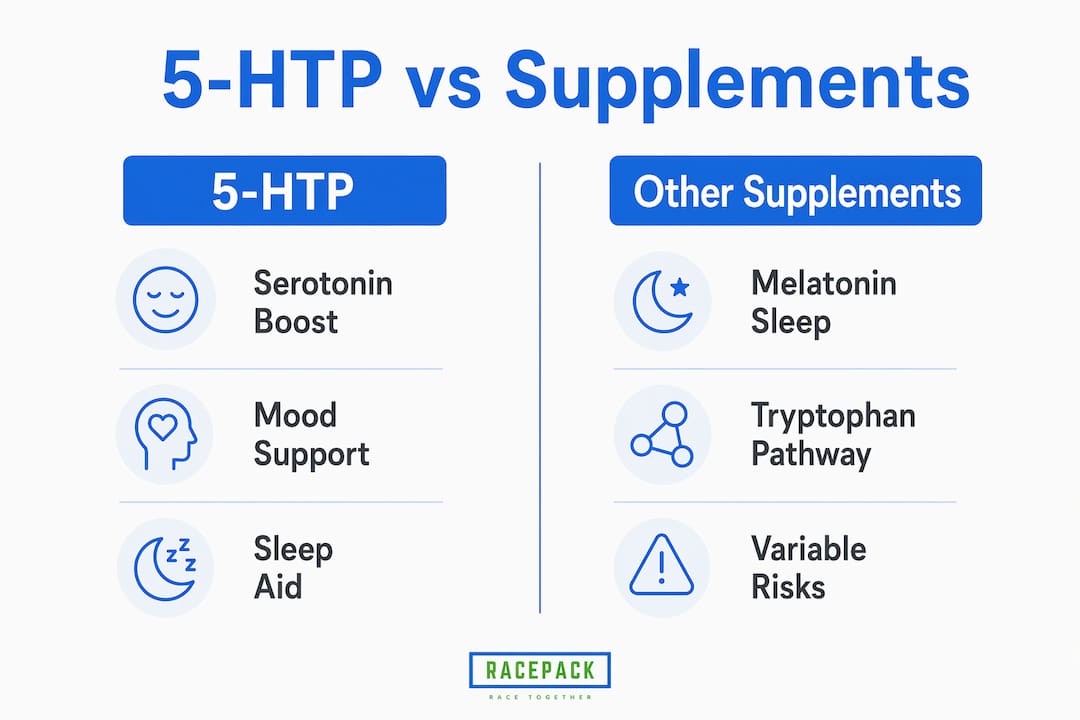
5-HTP holds a clear advantage over tryptophan because it bypasses the rate-limiting hydroxylase enzyme. That biochemical shortcut means faster and more consistent serotonin synthesis. Melatonin, by contrast, works directly on sleep onset but does not address mood or appetite. L-Theanine, available as EVL L-Theanine 200mg, carries a very low risk profile and pairs well with 5-HTP for people managing stress and sleep together.
Choose 5-HTP when your primary goal is mood support alongside sleep improvement. Choose melatonin when sleep onset is the only concern and you want a lower-risk, well-studied option.
Practical tips for using 5-HTP safely and effectively
Getting the most from this supplement comes down to discipline and awareness. These are the habits that separate people who benefit from those who quit after two weeks due to side effects.
- Start with 50mg: Do not open with 200mg because you read that it works faster. Lower doses build tolerance and reduce nausea risk.
- Take it on an empty stomach: Protein-rich meals reduce absorption by competing for the same transport pathway. Wait at least 30 minutes after eating, or take it two hours before a meal.
- Set a 4–6 week review point: Time-bound supplementation goals help you assess whether the supplement is working and prevent unnecessary long-term use.
- Track your response: Keep a simple daily log of mood, sleep quality, and any side effects. This data makes your review point far more useful.
- Cycle your use: Reassess every 4–6 weeks rather than supplementing indefinitely. A one-to-two week break every six weeks helps protect dopamine and norepinephrine balance.
- Avoid stacking with serotonergic supplements: St. John’s Wort, SAM-e, and prescription antidepressants all raise serotonin. Combining them with 5-HTP without medical guidance is a genuine risk.
- Buy from verified sources: Product quality varies significantly. Sourcing from authenticated retailers reduces the risk of contamination and inconsistent dosing.
Pro Tip: If you are an endurance athlete managing both recovery and sleep, consider pairing 5-HTP with a dedicated sleep formula like Orzax Melatonin 5mg on heavy training nights. The combination targets both serotonin and melatonin pathways for deeper recovery sleep.
Key Takeaways
5-HTP is the most direct natural serotonin precursor available as a supplement, and its benefits for mood and sleep are supported by clinical evidence when used at the right dose, with the right timing, and without contraindicated medications.
| Point | Details |
|---|---|
| Start dose matters | Begin at 50mg daily to minimize nausea before titrating to 100–200mg. |
| Timing affects absorption | Take on an empty stomach, 30–60 minutes before bed for sleep support. |
| Drug interactions are serious | Never combine with SSRIs, MAOIs, or antidepressants without medical supervision. |
| Cycle your use | Reassess every 4–6 weeks to protect dopamine and norepinephrine balance. |
| 5-HTP outperforms tryptophan | It bypasses the rate-limiting enzyme, delivering faster serotonin synthesis. |
What I’ve learned from watching athletes use 5-HTP
Most people come to 5-HTP expecting a dramatic mood shift within days. That is not what the evidence shows, and it is not what I have observed. The clinical evidence is promising but mixed, and the people who benefit most are those who approach it as a consistent, low-dose support tool rather than a quick fix.
The mistake I see most often is skipping the cycling protocol. Athletes especially tend to think more is better and longer is better. With 5-HTP, that logic works against you. The catecholamine depletion risk is real, and it shows up subtly as flat motivation and reduced drive, which is the opposite of what you were trying to achieve.
My honest recommendation is to treat 5-HTP as a short-term support tool with clear goals. Use it for a defined period, track your results, and consult a healthcare professional if you are on any medication. The supplement has genuine value. That value is best realized with discipline, not enthusiasm.
— Jason John
Support your mood and sleep with quality 5-HTP from RacepackSingapore
RacepackSingapore stocks the Orzax 5-HTP Complex 200mg for athletes and fitness enthusiasts who want a reliable, well-formulated option for mood and sleep support. Each capsule delivers a consistent dose, and the 120-capsule count gives you enough supply to run a proper 4–6 week assessment cycle. We also carry the NOW 5-HTP for those who prefer a trusted international brand with a strong quality track record.
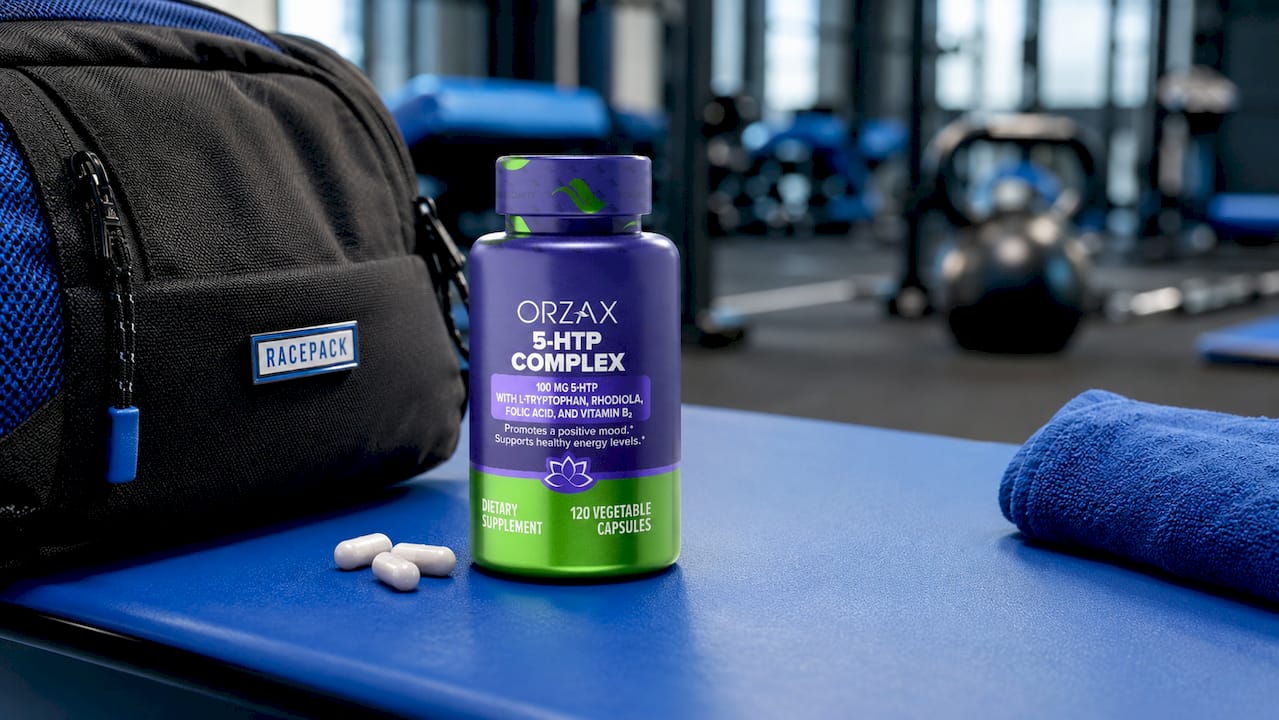
Every product at RacepackSingapore ships with guaranteed authenticity and next-day delivery across Singapore. Your wellness routine deserves the same quality standard as your training gear.
Buy Now and start your 5-HTP routine today
FAQ
What is 5-HTP used for?
5-HTP is used to support mood, sleep quality, and appetite regulation by increasing serotonin levels in the brain. It is commonly taken as a natural supplement for mild mood support and sleep onset improvement.
What is the recommended 5-HTP dosage for beginners?
Start with 50mg daily for the first week, then increase to 100mg if well tolerated. Clinical trials use doses from 100mg to 300mg daily, with the safe upper limit around 400mg per day.
Can 5-HTP cause serotonin syndrome?
Yes. Combining 5-HTP with SSRIs, MAOIs, tramadol, or other serotonergic medications creates a high risk of serotonin syndrome. Always consult a healthcare professional before combining 5-HTP with any prescription medication.
How long does it take for 5-HTP to work?
For sleep, onset occurs within 15–30 minutes when taken 30–60 minutes before bed. For mood support, consistent daily use over 2–4 weeks produces the most noticeable results.
Is 5-HTP safe for long-term use?
Daily use without breaks may deplete dopamine and norepinephrine over time. Practitioners recommend reassessing every 4–6 weeks and taking periodic breaks rather than supplementing indefinitely.
Does 5-HTP help with anxiety?
5-HTP supports serotonin production, which plays a role in anxiety regulation. Evidence for 5-HTP for anxiety is present but limited. It is not a substitute for professional treatment of anxiety disorders.
When is the best time to take 5-HTP?
Take 5-HTP 30–60 minutes before bed for sleep support, or split the dose between morning and midday for mood support throughout the day. Always take it on an empty stomach for best absorption.
How does 5-HTP differ from melatonin?
5-HTP is a serotonin precursor that the body can convert into melatonin, while melatonin supplements deliver the sleep hormone directly. 5-HTP supports both mood and sleep; melatonin targets sleep onset only.
Can athletes take 5-HTP for recovery?
Yes. 5-HTP can support sleep quality, which is critical for muscle recovery and performance. Pairing it with a melatonin formula on heavy training nights may further support deep recovery sleep.
Where can I buy 5-HTP in Singapore?
RacepackSingapore stocks the Orzax 5-HTP Complex 200mg and NOW 5-HTP with guaranteed authenticity and next-day delivery across Singapore.