

Collagen Peptides: What They're Good for in 2026
TL;DR:
- Collagen peptides support skin health, joint comfort, and connective tissue when taken consistently for 8 to 24 weeks. They work by signaling cells to produce collagen and elastin, with effects that build gradually and depend on proper dosage and pairing with vitamin C. Quality supplements with third-party testing and suitable collagen types are essential for safe, effective results.
Collagen peptides are hydrolyzed collagen proteins that act as both structural building blocks and signaling molecules in the body, delivering clinically supported benefits for skin, joints, and musculoskeletal health. When you take them consistently, bioactive dipeptides like Pro-Hyp and Hyp-Gly signal fibroblasts and chondrocytes to ramp up collagen and elastin production. That mechanism explains why collagen peptides are good for what most people care about: firmer skin, more comfortable joints, and stronger connective tissue. A growing body of 2026 meta-analyses confirms these effects are real, measurable, and dose-dependent.
What are collagen peptides good for when it comes to skin?
Collagen peptides for skin represent the most studied application of this supplement. A meta-analysis of 19 RCTs involving 1,125 participants found that daily oral supplementation of 2,500–10,000 mg of hydrolyzed collagen peptides for 8–24 weeks significantly improves skin hydration, elasticity, and wrinkle depth. That is not a marginal effect. Those are statistically significant improvements across nearly every trial in the review.
The mechanism works like this: your gut absorbs Pro-Hyp and Hyp-Gly intact. These dipeptides travel to skin tissue and activate fibroblasts, the cells responsible for producing collagen and elastin. The result is a measurable increase in dermal density and moisture retention. Vitamin C plays a direct supporting role here. It is an essential cofactor for endogenous collagen synthesis, so pairing your collagen supplement with a vitamin C source amplifies the effect.
The improvements are real but modest. Collagen peptides activate skin cell remodeling gradually. They are not a rapid fix. Benefits accumulate over weeks, and they reverse when supplementation stops.
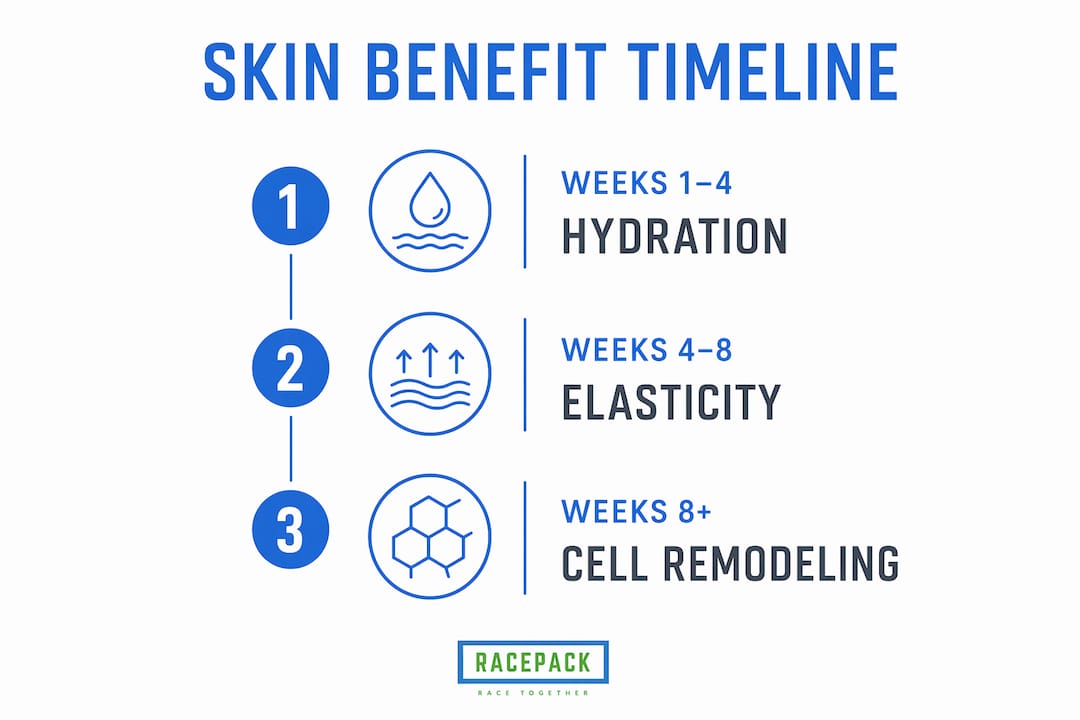
Skin benefit timeline at a glance
| Timeframe | What to expect |
|---|---|
| Weeks 1–4 | Improved skin hydration in most people |
| Weeks 4–8 | Measurable gains in elasticity |
| Weeks 8–24 | Reduction in wrinkle depth and improved skin texture |
| After stopping | Benefits gradually reverse within weeks |
Pro Tip: Take your collagen peptides with a vitamin C-rich food or supplement every day. Vitamin C is required for your body to synthesize collagen, so skipping it reduces the return on your investment.
How do collagen peptides support joint health and pain relief?
Joint health is the second major area where collagen peptides deliver real results. Two distinct types of collagen work through different mechanisms here, and knowing the difference helps you choose the right product.
Hydrolyzed Type I collagen at 10 g/day provides a structural substrate. Your cartilage uses the amino acids directly to repair and maintain tissue. Undenatured Type II collagen, known as UC-II, works differently. At just 40 mg/day, UC-II triggers oral immune tolerance, reducing the immune-driven inflammation that damages cartilage in osteoarthritis. That is a fundamentally different mechanism at a dramatically lower dose.
Clinical trials show that both approaches can significantly reduce osteoarthritis-related joint pain. The Cleveland Clinic notes that collagen peptides support cartilage cell remodeling, though benefits build gradually rather than appearing overnight. Athletes using collagen for activity-related joint discomfort typically see results after 4–8 weeks of consistent use.
Hydrolyzed collagen vs. UC-II: which is right for you?
| Feature | Hydrolyzed Type I collagen | Undenatured Type II (UC-II) |
|---|---|---|
| Typical dose | 10 g/day | 40 mg/day |
| Mechanism | Structural substrate for cartilage | Oral immune tolerance |
| Best for | General joint support, athletes | Osteoarthritis, inflammatory joint conditions |
| Onset of benefit | 4–8 weeks | 4–8 weeks |
Key points for athletes and active individuals:
- Collagen peptides reduce activity-related joint discomfort when taken consistently before or after training.
- Results are not immediate. Plan for at least four weeks before evaluating effectiveness.
- Hydrolyzed collagen pairs well with peptides for muscle recovery as part of a broader recovery protocol.
- UC-II is the better choice if inflammation is the primary driver of your joint pain.
Do collagen peptides help with muscle mass and bone density?
Collagen peptides support muscle and bone health, but with an important caveat: they complement complete proteins, they do not replace them. Collagen lacks tryptophan and is low in leucine, the two amino acids most critical for triggering muscle protein synthesis. Whey protein remains the gold standard for muscle building. Collagen fills a different role.
When combined with resistance training, collagen supplementation at 15–20 g/day increases fat-free mass and muscle strength in older adults with sarcopenia. 2026 clinical trial data confirms this effect across multiple studies. The mechanism is indirect: collagen strengthens the connective tissue framework that supports muscle function, and the amino acid glycine plays a role in creatine synthesis.
Bone density is an emerging area. Preliminary findings suggest collagen peptides may improve bone mineral density in postmenopausal women, though the evidence is less consistent than for skin or joints. Ligament and tendon support is better established. Collagen is the primary structural protein in both tissues, and supplementation provides the raw material for repair after training stress.
- Take 15–20 g of collagen peptides daily alongside your regular protein intake, not instead of it.
- Pair supplementation with resistance training. The mechanical stimulus activates the connective tissue remodeling that collagen supports.
- Add vitamin C to every serving. It is required for the enzymatic steps that convert proline into hydroxyproline, the amino acid that gives collagen its structural strength.
- Check your protein intake for runners and other endurance athletes to confirm collagen fits your overall nutrition plan.
- Allow 8–12 weeks before assessing results in muscle and connective tissue.
Pro Tip: Collagen peptides taken 30–60 minutes before a training session, combined with vitamin C, may maximize delivery of amino acids to connective tissue during the post-exercise repair window.
How to choose and use collagen peptide supplements safely
Selecting the right collagen supplement matters as much as taking it consistently. The market is crowded, and product quality varies significantly.
Third-party testing is the first filter. Look for products that carry certification from NSF International, Informed Sport, or a comparable testing body. These certifications confirm the product contains what the label states and is free from banned substances. For competitive athletes in Singapore, this is non-negotiable.
Source matters too. Marine collagen offers Type I collagen with potentially better absorption and lower heavy metal risks compared to bovine sources. Bovine collagen provides both Type I and Type III collagen, making it a broader option for skin and connective tissue support. Neither source is universally superior. Your goal determines the better fit.
Practical guidance on dosing and safety:
- Skin goals: 2,500–5,000 mg/day for 8–12 weeks minimum.
- Joint support: 10 g/day of hydrolyzed collagen or 40 mg/day of UC-II.
- Muscle and connective tissue: 15–20 g/day combined with resistance training.
- Safety profile: Collagen peptides carry GRAS safety status with no serious adverse events in clinical trials. Mild GI upset and an unpleasant taste are the most common complaints.
- Not a protein replacement: Use collagen alongside a balanced diet that includes complete protein sources. Experts at the Academy of Nutrition and Dietetics recommend collagen as supplemental to a protein-rich diet, not as a substitute.
- Medical conditions: Consult a healthcare provider before starting if you are pregnant, breastfeeding, or managing a chronic health condition.
The Orzax Collagen Peptides unflavored powder is a practical option for athletes who want to add collagen to shakes, smoothies, or post-workout drinks without altering flavor. It dissolves cleanly and fits multiple dosing goals.
Key takeaways
Collagen peptides deliver clinically supported benefits for skin hydration, joint comfort, and connective tissue health when taken consistently at the right dose for at least 8 weeks.
| Point | Details |
|---|---|
| Skin benefits are well established | Daily doses of 2,500–10,000 mg for 8–24 weeks improve hydration, elasticity, and wrinkle depth. |
| Joint support depends on collagen type | Hydrolyzed Type I at 10 g/day builds cartilage substrate; UC-II at 40 mg/day reduces inflammation. |
| Muscle support requires complete protein too | Collagen lacks tryptophan and leucine, so pair it with whey or another complete protein source. |
| Consistency drives results | Benefits emerge after 4–8 weeks and reverse when supplementation stops. |
| Source and testing quality matter | Choose third-party tested marine or bovine collagen based on your specific health goal. |
My honest take on collagen after years in sports nutrition
I have watched collagen peptides go from a niche beauty supplement to a staple in serious athletes’ recovery stacks. The science has caught up to the hype in some areas and quietly deflated it in others.
The skin and joint evidence is genuinely solid. The 2026 meta-analyses are not cherry-picked studies. They represent consistent findings across large participant pools. If you take a quality product at the right dose and give it 8–12 weeks, you will likely notice a difference in skin texture and joint comfort.
Where I see people go wrong is expecting collagen to replace real nutrition work. It does not. Collagen is low in the amino acids that drive muscle protein synthesis. Athletes who swap their whey for collagen and wonder why their recovery suffers are making a predictable mistake. Use collagen to support connective tissue and skin. Use complete proteins to build muscle.
The other mistake is buying cheap, untested products. The supplement market in Singapore, like everywhere else, has quality gaps. A product without third-party certification is a gamble. The MyProtein Collagen capsules and Orzax powder available through RacepackSingapore are products we trust because they meet the standard. That matters more than the price per serving.
Patience is the final piece. Collagen works slowly by design. The remodeling process in skin and cartilage takes weeks. Athletes who quit after two weeks and declare it ineffective never gave it a fair trial.
— Jason John
Get your collagen peptides from RacepackSingapore
RacepackSingapore stocks premium collagen supplements built for athletes and active individuals who want results they can measure.
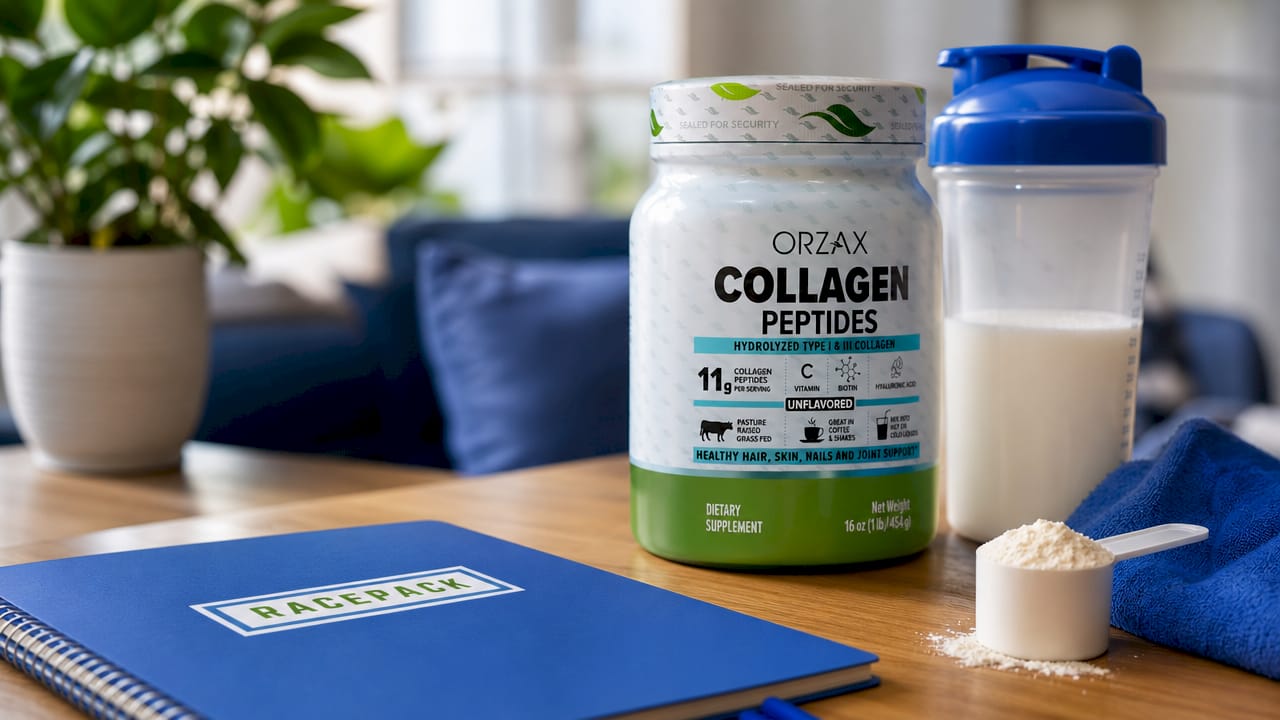
The Orzax Collagen Peptides Unflavored 454g delivers 38 servings of pure hydrolyzed collagen powder with no added flavors or fillers. It mixes cleanly into any drink and fits skin, joint, and connective tissue dosing goals. RacepackSingapore guarantees product authenticity and offers next-day delivery across Singapore. Whether you are training for your next race or building a long-term wellness routine, we carry the supplements that support your performance. Buy now and start your collagen protocol today.
FAQ
What are collagen peptides good for?
Collagen peptides are good for improving skin hydration and elasticity, reducing joint pain, and supporting connective tissue health. Clinical trials confirm benefits for skin after 8–24 weeks and joint comfort after 4–8 weeks of consistent use.
How much collagen should I take daily?
The right dose depends on your goal. Use 2,500–5,000 mg/day for skin benefits, 10 g/day for joint support with hydrolyzed collagen, and 15–20 g/day when combining collagen with resistance training for muscle and connective tissue support.
Can collagen peptides replace protein supplements?
Collagen peptides cannot replace complete protein supplements like whey. Collagen lacks tryptophan and is low in leucine, making it ineffective as a standalone muscle-building protein. Use it alongside a complete protein source.
How long does it take for collagen peptides to work?
Most people notice skin improvements within 4–8 weeks and joint comfort improvements within 4–8 weeks of daily supplementation. Full benefits for skin texture and wrinkle reduction typically require 8–24 weeks of consistent use.
Is marine or bovine collagen better?
Marine collagen offers Type I collagen with potentially better absorption and lower heavy metal risk. Bovine collagen provides both Type I and Type III, making it broader for skin and connective tissue. Your specific goal determines the better choice.
Do collagen peptides have side effects?
Collagen peptides carry GRAS safety status with no serious adverse events reported in clinical trials. The most common side effects are mild GI upset and an unpleasant taste, both of which are transient.
Should I take collagen peptides before or after a workout?
Taking collagen 30–60 minutes before training, combined with vitamin C, may improve amino acid delivery to connective tissue during the post-exercise repair window. Timing matters more for joint and tendon support than for skin benefits.
Do collagen peptides work for joint pain in athletes?
Yes. Hydrolyzed collagen at 10 g/day reduces activity-related joint discomfort in athletes. Clinical studies show significant pain reduction in osteoarthritis patients, and the same structural support applies to sport-related joint stress.
What should I look for when buying collagen supplements?
Choose products with third-party testing certification from bodies like NSF International or Informed Sport. Confirm the collagen type matches your goal, and check that the label clearly states the source (marine or bovine) and dose per serving.
Where can I buy quality collagen peptides in Singapore?
RacepackSingapore stocks the Orzax Collagen Peptides 454g and MyProtein Collagen capsules with guaranteed authenticity and next-day delivery. Browse the full range of nutrition and supplement articles for guidance on building your supplement stack.