

Water Sports for Beginners: Activities, Safety, and Gear
TL;DR:
- Water sports combine physical skill, equipment, and nature to provide fun, fitness, and competition in aquatic environments.
- Beginners can start with towable inflatables, kayaking, or stand-up paddleboarding, as they require minimal experience and are forgiving to learn.
- Safety essentials like life jackets, helmets, and hydration are crucial across all activities to ensure enjoyable and injury-free water sports.
Water sports are aquatic activities that combine physical skill, equipment, and the natural environment to deliver fitness, fun, and competition across rivers, lakes, and oceans. From calm-water kayaking to high-speed jet skiing, these activities suit every age group and fitness level. The right starting point matters. Choosing an activity that matches your skill level, environment, and goals determines whether your first session builds confidence or frustration. This guide covers the best water sports activities, safety essentials, and gear recommendations to get you on the water with confidence.
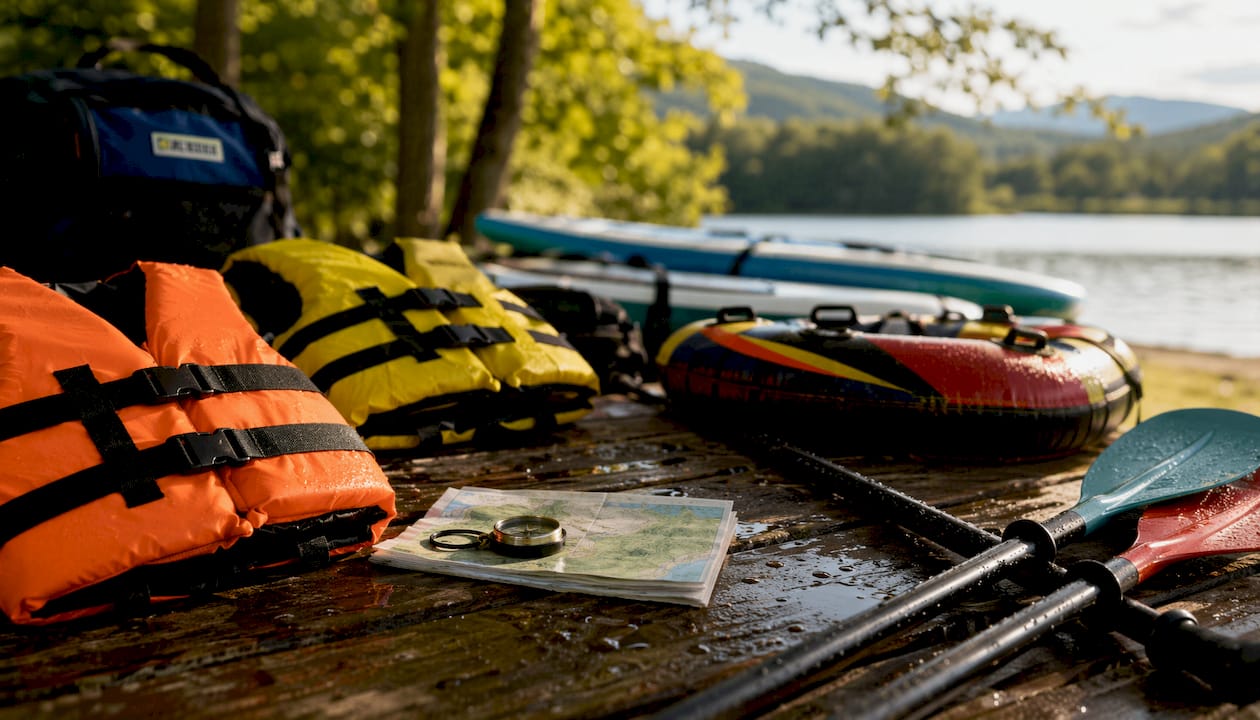
1. Best water sports for complete beginners
The three most accessible aquatic activities for new participants are towable inflatables, kayaking, and stand-up paddleboarding (SUP). Each requires minimal prior experience and delivers immediate enjoyment. They also share a forgiving learning curve that rewards patience over raw athleticism.
Towable inflatables are the easiest entry point. No prior skill is required, and participants as young as 8 years old can join in. You simply hold on while a motorboat pulls you across the water. The thrill is instant, and the risk of injury is low when speeds stay appropriate.
Kayaking suits all ages and body types. The seated position keeps your center of gravity low, which makes tipping far less likely than standing activities. You control your own pace, which means you can stop, rest, and look around without pressure. Calm lakes and sheltered bays are ideal starting environments.
Stand-up paddleboarding offers a gentle but rewarding challenge. Beginners typically stand and paddle within 15–20 minutes of their first attempt. The key technique is angling the paddle blade forward, away from your body, and driving each stroke with your core rather than your arms. Starting on your knees before standing reduces the risk of falling.
Pro Tip: On your first SUP session, spend five minutes kneeling and paddling before you try to stand. Your core will activate faster, and your balance will feel far more natural when you rise.
2. Popular intermediate sports: water skiing and wakeboarding
Water skiing and wakeboarding are the two most popular motorized tow sports worldwide. Both require a boat, a tow rope, and a meaningful jump in physical demand compared to beginner activities.
Water skiing demands significant strength and balance. The sport has more than 11 million active participants in the United States and over 900 sanctioned competitions annually. That level of participation reflects a well-developed coaching and equipment ecosystem that makes learning structured and safe. Safe practice requires a water area at least 60 meters wide and 1.5–1.8 meters deep.
Wakeboarding shares the tow-rope format but emphasizes aerial tricks and edge-to-edge balance on a single board with boot bindings. Most beginners stand on a wakeboard within their first session. Using a shorter bar instead of a long rope during early attempts improves control and reduces the rotational pull that throws beginners off balance.
| Sport | Skill level | Key equipment | Primary risk |
|---|---|---|---|
| Water skiing | Intermediate | Skis, tow rope, life jacket | Lower leg injuries from falls |
| Wakeboarding | Intermediate | Board with bindings, tow bar | Shoulder and wrist strain |
| Wake surfing | Intermediate | Surf-style board | Balance loss near the boat |
Pro Tip: Schedule your first water skiing or wakeboarding session between 8:00 AM and 11:00 AM. Calm, glass-like water conditions during those hours reduce surface chop and make it significantly easier to maintain balance.
3. High-speed thrills: jet skiing
Jet skiing delivers the fastest on-water experience available to recreational participants without a boat license in most regions. A personal watercraft (PWC) reaches speeds that demand full attention and physical readiness. Protective gear, including a life jacket and helmet, is non-negotiable at those speeds.
Certified training sessions are the safest way to start. Instructors cover throttle control, turning radius, and emergency stop procedures before you leave the dock. Without that foundation, high-speed falls and collisions become far more likely. Proper hydration matters too, since the physical demands of controlling a PWC at speed are higher than they appear from shore.
4. Essential safety tips for all aquatic activities
Safety in water sports is not optional. A well-fitted life jacket is the primary safety requirement for every participant, regardless of swimming ability or experience level. A jacket that fits correctly stays in place during a fall and keeps your airway above water without restricting arm movement.
“Alcohol significantly contributes to recreational boating accidents. Keeping alcohol off the water until after your session is one of the simplest and most effective safety decisions you can make.”
Additional safety practices every participant should follow:
- Wear a helmet for high-speed sports like wakeboarding, water skiing, and jet skiing.
- Apply reef-safe, water-resistant sunscreen before every session and reapply every 90 minutes.
- Use waterproof storage for phones, keys, and nutrition products to protect them from water damage.
- Never participate alone. A spotter or safety buddy is standard practice in tow sports.
- Check weather forecasts before launching. Wind above 15 knots changes surface conditions rapidly.
Professional instruction improves safety by teaching correct technique from the start. Bad habits formed in the first few sessions are harder to correct later and increase injury risk. A single guided lesson typically cuts the learning curve in half and builds the confidence that keeps participants coming back.
Pro Tip: Pair your safety gear with a solid hydration plan. Staying on the water for two or more hours in direct sun depletes electrolytes faster than most participants expect. Check out hydration strategies for water athletes before your next session.
5. Choosing the right sport for your environment and goals
The best aquatic activity for you depends on three factors: where you are, who you are with, and what you want to feel. Matching those factors to the right sport prevents frustration and maximizes time on the water.
| Environment | Best suited sports | Why it works |
|---|---|---|
| Calm lake or sheltered bay | Kayaking, SUP, towable inflatables | Low chop, controlled conditions, ideal for families |
| Open ocean or coastal water | Surfing, kitesurfing, jet skiing | Wave energy and space for speed-based sports |
| River or estuary | Kayaking, white-water rafting | Current adds challenge without requiring a boat |
| Reservoir or marina | Water skiing, wakeboarding | Flat water and boat access make tow sports practical |
Family groups benefit most from calm, sheltered bays where conditions stay predictable and children can participate safely. Thrill-seekers with some experience gravitate toward open water and motorized sports. Age and fitness level matter less than most beginners assume. Gradual progression and approachable technique drive long-term success far more than natural athletic ability.
Children aged 8 and up handle towable inflatables and kayaking well. Teenagers typically progress to wakeboarding and water skiing within a season of consistent practice. Adults starting later benefit from SUP because the low-impact nature of paddling protects joints while still building core strength and balance.
For nutrition timing, knowing what to eat before and after a swim applies directly to most water sports sessions. Fueling correctly before you launch and recovering well afterward determines how quickly your skills improve across sessions. Hydration solutions designed for endurance sports, like those covering electrolyte replenishment for athletes, translate directly to on-water performance.
6. Gear essentials you need before hitting the water
The right gear protects you, improves performance, and extends how long you can stay on the water comfortably. You do not need to buy everything at once. Start with safety gear, then add performance equipment as your skills grow.
Core safety gear:
- Personal flotation device (PFD) rated for your body weight
- Helmet (required for wakeboarding, water skiing, and jet skiing)
- Water shoes or neoprene booties for rocky entries and exits
- UV-protective rash guard or wetsuit depending on water temperature
Performance and comfort gear:
- Waterproof dry bag for valuables, nutrition, and electronics
- Polarized sunglasses with a retention strap to reduce glare
- Reef-safe, water-resistant SPF 50+ sunscreen
- Hydration pack or insulated water bottle for sessions over 60 minutes
Nutrition and recovery essentials:
Energy gels and electrolyte tablets are compact, waterproof-packaged, and deliver fast fuel without bulk. RacepackSingapore stocks GU Energy Gels, HIGH5 hydration tablets, and portable supplement storage solutions that fit inside a dry bag without adding weight. Fueling during a two-hour session on the water is as important as fueling a long run. Check the full water sports advice and gear guide for product-specific recommendations.
Key takeaways
Water sports reward preparation: choosing the right activity for your environment, using proper safety gear, and fueling your body correctly determines how fast you progress and how much you enjoy every session.
| Point | Details |
|---|---|
| Start with beginner-friendly sports | Towable inflatables, kayaking, and SUP require no prior skill and suit ages 8 and up. |
| Wear a life jacket every time | A well-fitted PFD is the single most effective safety measure for all skill levels. |
| Time your sessions wisely | Calm water between 8:00 AM and 11:00 AM gives beginners the best conditions for learning. |
| Match sport to environment | Calm lakes suit families and beginners; open water suits experienced thrill-seekers. |
| Fuel and hydrate consistently | Electrolyte replenishment and energy gels prevent fatigue during sessions over 60 minutes. |
What I’ve learned from years on the water
The biggest mistake I see beginners make is skipping the lesson and going straight to the activity. I understand the impulse. Renting a kayak and figuring it out feels more exciting than standing on a dock listening to an instructor. But guided lessons build confidence fast in ways that solo trial-and-error simply does not match.
My second observation is about fear. Most people who say they are “not athletic enough” for water sports are actually just unfamiliar with the sensation of instability on water. That feeling passes within 20 minutes for most beginners. The athletes who progress fastest are not the strongest or most coordinated. They are the ones who stay calm when they fall, get back on, and try again without embarrassment.
The adrenaline side of water sports is real and worth chasing. But the athletes who sustain it long-term are the ones who respect safety protocols consistently, not just when conditions look dangerous. A life jacket feels unnecessary on a calm day. That is exactly when people stop wearing one. Do not be that person.
Finally, nutrition is the most underrated performance variable in recreational water sports. Two hours on a paddleboard in direct sun depletes you as much as a long trail run. Carry energy gels and electrolyte tablets in your dry bag on every session. Your body will recover faster, your technique will hold up longer, and your next session will start from a better baseline.
— Jason John
Fuel your water sports sessions with RacepackSingapore
Staying energized on the water requires more than a water bottle. RacepackSingapore carries the nutrition products that endurance athletes and recreational participants rely on for sustained performance.
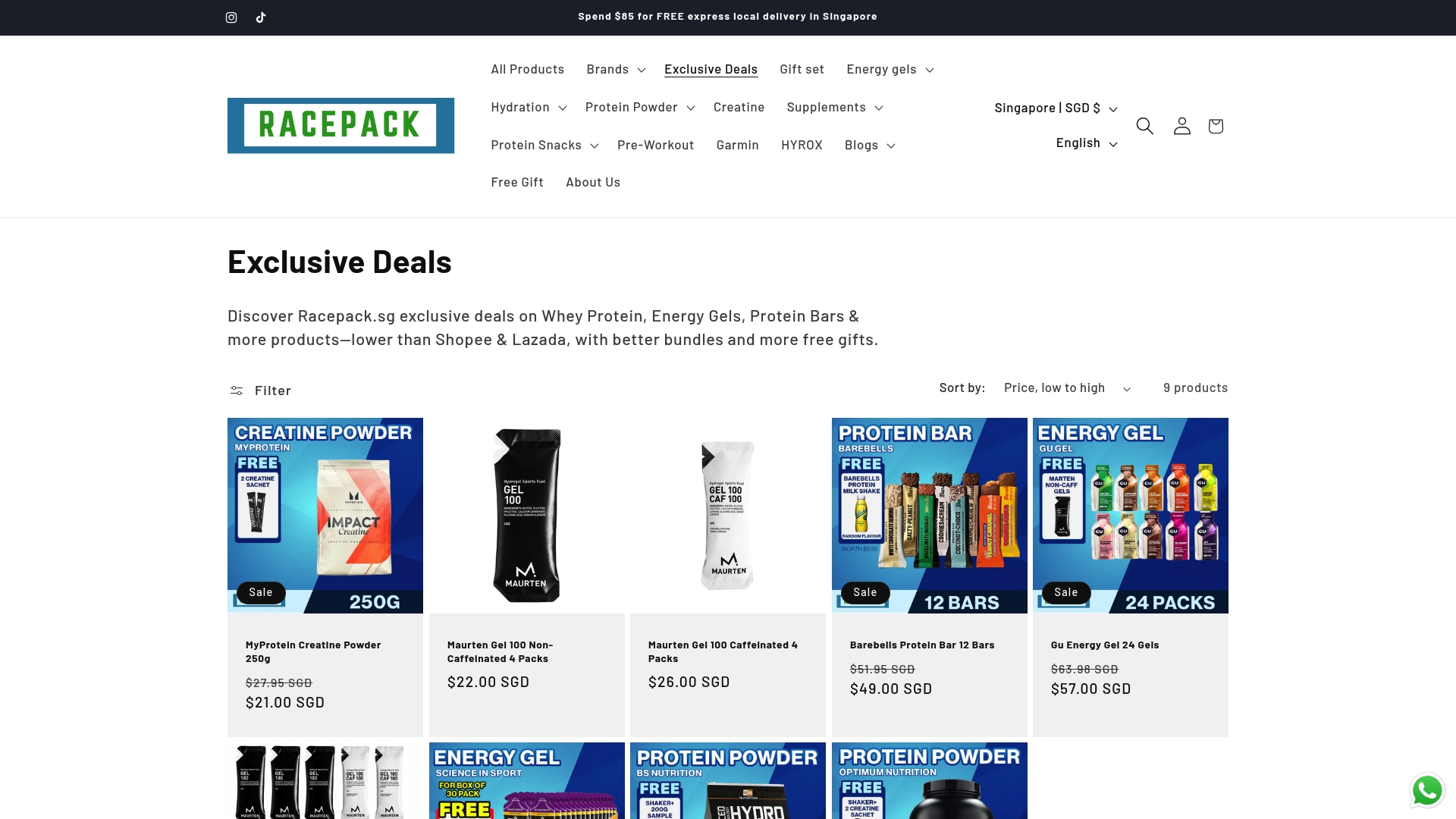
GU Energy Gels deliver fast, clean energy in compact, waterproof-friendly packaging that fits any dry bag. HIGH5 Isotonic Hydration Drink replenishes electrolytes lost during long sessions in the sun. For portable supplement organization, the MyProtein Supplement Storage Box keeps your tablets and capsules organized and protected from moisture. RacepackSingapore offers guaranteed product authenticity and next-day delivery across Singapore. Buy now and fuel your next session right.
FAQ
What are the easiest water sports for beginners?
Towable inflatables, kayaking, and stand-up paddleboarding are the most beginner-friendly options. They require no prior skill and suit participants from age 8 upward.
How long does it take to learn stand-up paddleboarding?
Most beginners stand and paddle a SUP board within 15–20 minutes of their first attempt. Starting on your knees and using core-powered strokes speeds up the process.
What safety gear do I need for water sports?
A well-fitted personal flotation device is required for all water sports. High-speed activities like wakeboarding and water skiing also require a helmet and specialized life jacket that allows full arm movement.
What is the best time of day for water skiing or wakeboarding?
Sessions between 8:00 AM and 11:00 AM offer the calmest, glass-like water conditions. Reduced surface chop during those hours makes balance significantly easier for beginners.
How do I stay fueled during a long water sports session?
Carry energy gels and electrolyte tablets in a waterproof dry bag. Sessions lasting more than 60 minutes in direct sun deplete electrolytes at a rate comparable to a long-distance run, so active replenishment is necessary.
Do I need professional lessons before trying water sports?
Professional instruction is strongly recommended for motorized sports like water skiing, wakeboarding, and jet skiing. Lessons teach correct technique from the start and reduce the risk of injury caused by bad habits.
What water conditions suit beginners best?
Calm lakes and sheltered bays with minimal wind and chop are ideal for beginners and family groups. Open ocean and fast-moving water are better suited to experienced participants.
Can children participate in water sports safely?
Children aged 8 and up handle towable inflatables and kayaking safely with proper supervision and correctly sized life jackets. Controlled, stable activities in calm water are the right starting point for younger participants.
What should I eat before a water sports session?
A carbohydrate-rich meal two hours before your session provides sustained energy. For sessions over 90 minutes, carry energy gels for mid-session fueling. RacepackSingapore’s nutrition guide for swimmers covers pre and post-session nutrition in detail.
How does wakeboarding differ from water skiing?
Water skiing uses two separate skis and emphasizes upright balance at speed. Wakeboarding uses a single board with boot bindings and focuses on edge control and aerial tricks. Most beginners stand on a wakeboard within their first session.