

Electrolytes Meaning: Why Athletes Need Them After 60–90 Minutes
Electrolytes are minerals like sodium, potassium, calcium, and magnesium that carry an electric charge once dissolved in blood, sweat, or urine. That charge is what allows your nerves to fire, your muscles to contract, and your body to hold onto the right amount of fluid. When levels drop too low or spike too high, the effects show up fast, from cramping legs to an irregular heartbeat, which is exactly why athletes and anyone who sweats heavily need a plan for replacing them.
TL;DR:
- Replacing electrolytes during prolonged exercise or heat exposure is essential, with sports drinks or capsules recommended for sessions over 60 minutes.
- Sweat, vomiting, and diarrhea are the primary ways electrolytes are lost, especially in extreme conditions or illness, requiring targeted rehydration strategies.
- Electrolyte imbalances typically start with muscle cramps and fatigue and can escalate to serious issues like irregular heartbeat or fainting if untreated.
- Blood tests such as BMP or CMP measure electrolyte levels, but results vary by lab and should be interpreted by healthcare professionals.
- For most healthy individuals, whole foods provide sufficient electrolytes daily, but targeted supplements are crucial during illness, long events, or heavy sweating.
Table of Contents
- What Electrolytes Do in the Body
- What Are the Main Electrolytes and What Do They Do?
- How Do You Gain and Lose Electrolytes?
- What Are the Signs of an Electrolyte Imbalance?
- How Are Electrolyte Levels Tested?
- When and How Should You Replace Electrolytes?
- A Practical Take on Electrolyte Planning for Training
- Ready to Replace What You Lose
- Sources
- FAQ
What Electrolytes Do in the Body
Every electrolyte works by carrying a small electrical charge that lets your cells communicate and move fluid where it’s needed. Sodium and potassium in particular set up the voltage difference across cell membranes that triggers nerve impulses and muscle contractions, a mechanism the StatPearls electrolyte overview describes as fundamental to basic life functioning.
Fluid balance depends on this same charge system. Water follows sodium through a process called osmosis, moving between the inside and outside of cells to keep tissues properly hydrated. Get the sodium concentration wrong, and water shifts in the wrong direction, which is how swelling and dehydration can both trace back to the same root cause.
Electrolytes also regulate:
- Nerve signaling — sodium and potassium generate the electrical impulses nerves use to communicate.
- Muscle contraction — calcium triggers the actual contraction; magnesium helps muscles relax afterward.
- Blood pressure — sodium and chloride influence how much fluid your blood vessels hold.
- pH balance — bicarbonate and phosphate buffer your blood so it stays in a narrow, safe range.
Quick fact: according to MedlinePlus, electrolytes directly regulate fluid balance, muscle contraction, nerve transmission, blood pressure, and pH levels, essentially the entire operating system your body runs on. Your kidneys and hormonal system (particularly aldosterone and antidiuretic hormone) work continuously in the background to keep these levels within a livable range, adjusting what you excrete in urine based on what you’ve taken in through food and drink.
What Are the Main Electrolytes and What Do They Do?
Seven electrolytes handle nearly all the heavy lifting in your body, and each one has a distinct job, a preferred location, and a set of warning signs when levels swing too far in either direction. Healthline’s breakdown of electrolyte functions confirms these seven as the core group clinicians track.
- Sodium (cation, mainly extracellular): Controls fluid balance and blood pressure. Reference ranges vary by lab but generally fall within a typical clinical interval. Low sodium (hyponatremia) causes confusion and headaches; it’s a real risk for endurance athletes who drink plain water without replacing salt.
- Potassium (cation, mainly intracellular): Essential for heart rhythm and muscle contraction. Reference ranges vary by lab but generally fall within a typical clinical interval. High potassium (hyperkalemia) can cause dangerous arrhythmias, especially in people with kidney disease.
- Calcium (cation, mainly extracellular): Drives muscle contraction, nerve signaling, and bone strength. Normal range sits around 8.5 to 10.2 mg/dL. Low levels cause muscle spasms; chronically low levels affect bone density.
- Magnesium (cation, mainly intracellular): Supports muscle relaxation and hundreds of enzyme reactions. Reference ranges vary by lab but generally fall within a typical clinical interval. Deficiency shows up as cramping, fatigue, and sometimes irregular heartbeat.
- Chloride (anion, mainly extracellular): Works alongside sodium to maintain fluid balance and helps form stomach acid. Reference ranges vary by lab but generally fall within a typical clinical interval.
- Phosphate (anion, mainly intracellular): Involved in energy production (ATP) and bone structure. Reference ranges vary by lab but generally fall within a typical clinical interval.
- Bicarbonate (anion, mainly extracellular): The body’s primary pH buffer, keeping blood from becoming too acidic or too alkaline. Reference ranges vary by lab but generally fall within a typical clinical interval.
These ranges come from standard clinical references, but every lab sets its own cutoffs based on its equipment and population, so the numbers on your results sheet may differ slightly. That’s normal, and it’s one more reason to read lab values alongside a clinician rather than against numbers pulled from an article. For a deeper look at how these minerals support endurance performance specifically, Racepack SG’s guide on electrolytes and endurance breaks down which ones matter most on race day.
How Do You Gain and Lose Electrolytes?
Food is where most people get the bulk of their electrolytes without thinking about it. Table salt supplies sodium and chloride, bananas and potatoes are loaded with potassium, dairy and leafy greens deliver calcium, and nuts and whole grains are solid magnesium sources. For most healthy people eating a varied diet, that’s genuinely enough, a point Healthline makes clearly when discussing food-first replacement.
Losses happen through sweat, urine, vomiting, and diarrhea, and not all of these drain electrolytes equally. Sweat is more dilute than blood plasma, but it still carries meaningful sodium and chloride, and heavy sweaters or people training in heat can lose several grams of sodium over a long session. Illness is a different story: vomiting and diarrhea pull fluid and electrolytes out fast, which is why oral rehydration approaches exist specifically to replace both at once rather than water alone.
- Sweat losses spike with heat, humidity, and exercise duration.
- Vomiting and diarrhea cause rapid, concentrated losses.
- Diuretics and some blood pressure medications increase urinary losses.
- Kidney disorders can impair the body’s ability to regulate levels at all.
Pro Tip: Drinking large volumes of plain water during a long run without replacing sodium can dilute your blood sodium level, a condition called hyponatremia. It’s rare but serious, and it’s one reason sports drinks and electrolyte tablets exist in the first place.
What Are the Signs of an Electrolyte Imbalance?
Muscle cramps are usually the first sign most people notice, followed by fatigue, dizziness, and a headache that doesn’t respond to the usual remedies. These symptoms tend to build gradually, which makes them easy to dismiss as “just being tired” until they start affecting performance or daily function.
Some symptoms demand faster attention than others. Here’s how to read the escalation:
- Mild signs: muscle cramps, general weakness, mild headache, slight dizziness.
- Moderate signs: persistent confusion, noticeable heart palpitations, nausea without another clear cause.
- Severe signs requiring urgent care: fainting, chest pain, an irregular or racing heartbeat, severe weakness that limits movement.
Certain groups face higher risk than others. Endurance athletes training or racing in heat lose large volumes of sodium through sweat over hours. Older adults often have blunted thirst signals and may be on medications, like diuretics, that increase urinary losses. Anyone with acute gastroenteritis, whether from food poisoning or a stomach virus, can lose electrolytes fast through vomiting and diarrhea. People on blood pressure medications, laxatives, or certain heart drugs also need closer monitoring, since these drugs directly alter how the kidneys handle sodium and potassium.
How Are Electrolyte Levels Tested?
A basic metabolic panel (BMP) or comprehensive metabolic panel (CMP) is the standard blood test clinicians order to check sodium, potassium, chloride, and bicarbonate in one draw. Calcium, magnesium, and phosphate are sometimes tested separately depending on the clinical picture. Doctors typically order these panels when a patient reports fatigue, muscle weakness, irregular heartbeat, or during routine monitoring for kidney disease, heart conditions, or certain medications.
- Sodium, potassium, and calcium: Reference ranges vary by lab, so results should be interpreted by a healthcare professional in context.
MedlinePlus notes that reference ranges differ across laboratories based on equipment and testing methods, so a result flagged as “abnormal” on one lab’s scale might sit inside another lab’s normal range. Never adjust your diet or supplement intake based on a single lab value without discussing it with a health professional first, particularly if you have kidney or heart conditions where electrolyte shifts carry more risk.
When and How Should You Replace Electrolytes?
Whole food covers most everyday needs. A banana, a handful of salted nuts, a glass of milk, or a pinch of salt in your water usually replaces what a normal day of sweat and activity costs you. The distinction that matters is choosing the right replacement method for the situation you’re actually in.
- Illness (vomiting or diarrhea): Use an oral rehydration solution designed to replace fluid and electrolytes together, since water alone won’t correct the loss.
- Exercise under an hour: Water is typically sufficient for most people.
- Exercise over 60 to 90 minutes, or heavy sweating in heat: A sports electrolyte product helps replace sodium losses that plain water can’t fix. Racepack SG’s SiS Hydro+ Electrolyte Powder works well here in single-use sachets for travel or race day.
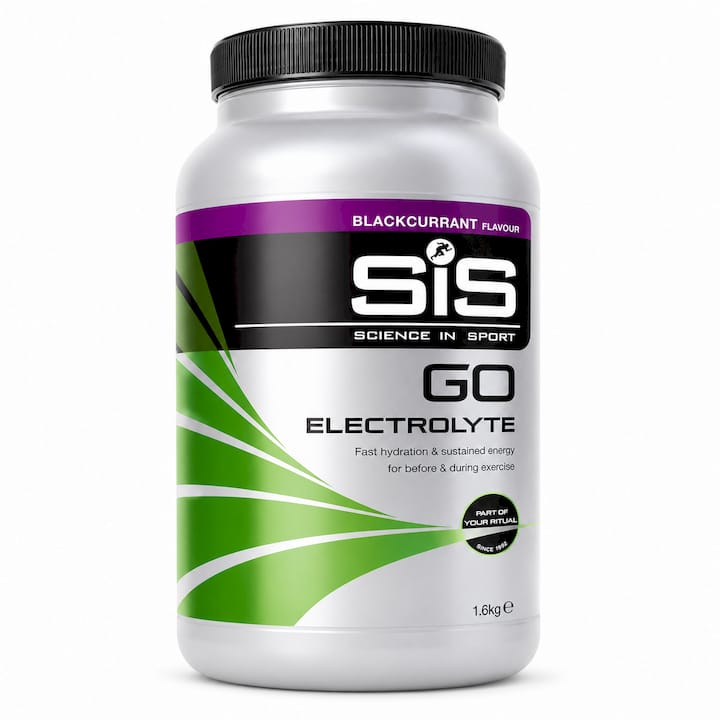
- Longer training blocks: A tub-format option like SiS GO Electrolyte Powder is more economical for regular sessions.
Pro Tip: During long events, sip electrolyte fluid on a schedule, roughly every 15 to 20 minutes, rather than waiting until you feel thirsty. Thirst lags behind actual fluid loss, especially in heat.
As one clinical perspective on fluid balance points out, supplemental electrolyte intake works best when it’s targeted rather than indiscriminate, since your kidneys and hormones are already working to regulate concentrations, and piling on high-dose supplements without a real need can strain that system, particularly for people with kidney or heart conditions. If you notice severe symptoms like fainting, chest pain, or an irregular heartbeat, stop and seek medical attention rather than trying to self-correct with more product.
A Practical Take on Electrolyte Planning for Training

Most guidance on electrolytes treats every athlete the same, and that’s the part worth pushing back on. A recreational runner doing 45 minutes in mild weather has almost nothing in common, physiologically, with someone racing a hot-weather marathon, yet they’re often handed the same generic advice to “drink an electrolyte drink.”
What actually matters is matching the replacement format to the demand. Racepack SG stocks products across that whole spectrum, from convenient sachets to bulk powders to capsules, precisely because sweat rate, heat exposure, and session length change what your body needs mid-effort. Athletes training for longer events benefit from planning intake before symptoms show up, not reacting once cramping starts. Our guide on electrolytes in high-intensity training covers how to build that plan around your specific training load.
— Jason John
Ready to Replace What You Lose
Racepack SG gives you a direct route to the exact electrolyte format your training actually calls for, without guessing which international brand is genuine or waiting a week for it to arrive.
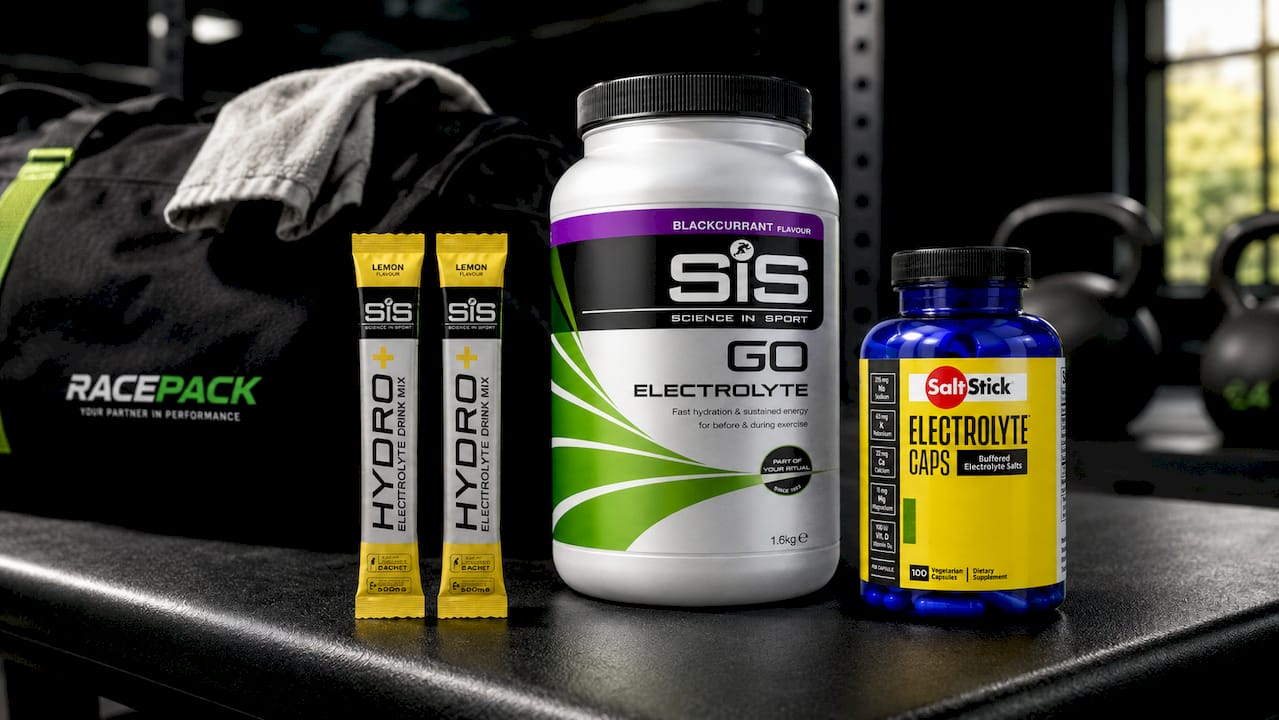
If you’re racing long or training in heat, SiS Hydro+ Electrolyte Powder sachets are built for exactly that, easy to carry, mixed on demand, and ideal for race-day bags. Training multiple times a week calls for something more economical: SiS GO Electrolyte Powder comes in a tub with up to 40 servings, so you’re not restocking sachets constantly. And if you sweat heavily but don’t want another flavored drink, SaltStick Electrolyte Caps deliver buffered sodium and minerals in capsule form, popular with runners and cyclists on long, hot events. All three ship with guaranteed authenticity and next-day delivery across Singapore. Browse the full range or buy now through our exclusive deals to get your hydration plan sorted before your next session.
Sources
Every clinical claim in this article draws on established medical references, not general wellness content.
- Electrolytes — StatPearls / NCBI Bookshelf
- Fluid and electrolyte balance — MedlinePlus
- Electrolytes: Definition, Functions, Sources, and Imbalance — Healthline
Lab reference ranges vary by facility, and interpreting your own results always warrants a conversation with a clinician rather than a comparison against numbers online.
This article is general information, not a substitute for advice from a qualified doctor. Consult a qualified healthcare professional about your own circumstances before acting on anything here.
FAQ
What do electrolytes do in the body?
Electrolytes regulate fluid balance, transmit nerve impulses, trigger muscle contraction, help maintain blood pressure, and keep your blood’s pH stable, functions confirmed by MedlinePlus.
What happens if you lack electrolytes?
An electrolyte deficiency can cause muscle cramps, fatigue, dizziness, headaches, and in severe cases, an irregular heartbeat or fainting, which requires prompt medical attention.
Who should drink electrolytes?
Endurance athletes training over 60 to 90 minutes, people sweating heavily in heat, anyone recovering from vomiting or diarrhea, and older adults on certain medications benefit most from targeted electrolyte replacement.
What are the main three electrolytes?
Sodium, potassium, and chloride are often considered the “main three” because they’re lost in the largest quantities through sweat and urine, though calcium, magnesium, phosphate, and bicarbonate are equally essential.
What is the actual electrolytes meaning in a medical context?
In medical terms, electrolytes are minerals like sodium and potassium that carry an electric charge when dissolved in body fluids, allowing nerves, muscles, and cells to function correctly.
Can you have too much of an electrolyte?
Yes. Conditions like hyperkalemia (excess potassium) or hypernatremia (excess sodium) can be dangerous, particularly for people with kidney or heart disease, which is why supplementation should stay targeted rather than indiscriminate.
Is water enough during exercise, or do you need electrolytes too?
For sessions under an hour in moderate conditions, water is usually enough; beyond that, or in heat, an electrolyte product like SiS GO Electrolyte Powder helps replace what plain water can’t.
How do doctors test electrolyte levels?
A basic or comprehensive metabolic panel (BMP/CMP) blood test measures sodium, potassium, chloride, and bicarbonate, with calcium, magnesium, and phosphate sometimes checked separately.
Why does drinking too much water cause a problem?
Drinking large amounts of plain water without replacing sodium can dilute blood sodium levels, causing hyponatremia, a genuine risk during long endurance events.
What foods are naturally high in electrolytes?
Bananas and potatoes provide potassium, dairy and leafy greens supply calcium, nuts and whole grains offer magnesium, and table salt delivers sodium and chloride.
Are electrolyte capsules better than powders?
Neither is universally better; capsules like SaltStick Electrolyte Caps suit people who dislike flavored drinks, while powders work well when you’re already drinking fluid during exercise.
When should I see a doctor about an electrolyte imbalance?
Seek medical attention for severe weakness, fainting, chest pain, or an irregular heartbeat, and always discuss abnormal lab results with a clinician rather than self-treating.