

Why Sport Supplements Improve Recovery: 2026 Guide
TL;DR:
- Sports supplements significantly contribute to recovery by providing targeted nutrients that promote muscle repair, reduce inflammation, and restore energy. However, they are most effective when combined with good sleep, proper nutrition, hydration, and training management. Fundamental recovery practices always take priority over supplementation.
Sports supplements improve recovery by delivering targeted nutrients that accelerate muscle repair, reduce inflammation, and restore energy after intense exercise. In sports science, recovery refers to the full restoration of physiological function, including muscle integrity, glycogen stores, and neuromuscular readiness. Key compounds like omega-3 fatty acids, protein, creatine, and branched-chain amino acids (BCAAs) each address a specific gap in the recovery process. Understanding why sport supplements improve recovery means understanding what your body actually needs after hard training, and which products deliver real results versus marketing noise.
Which sports supplements most effectively improve recovery?
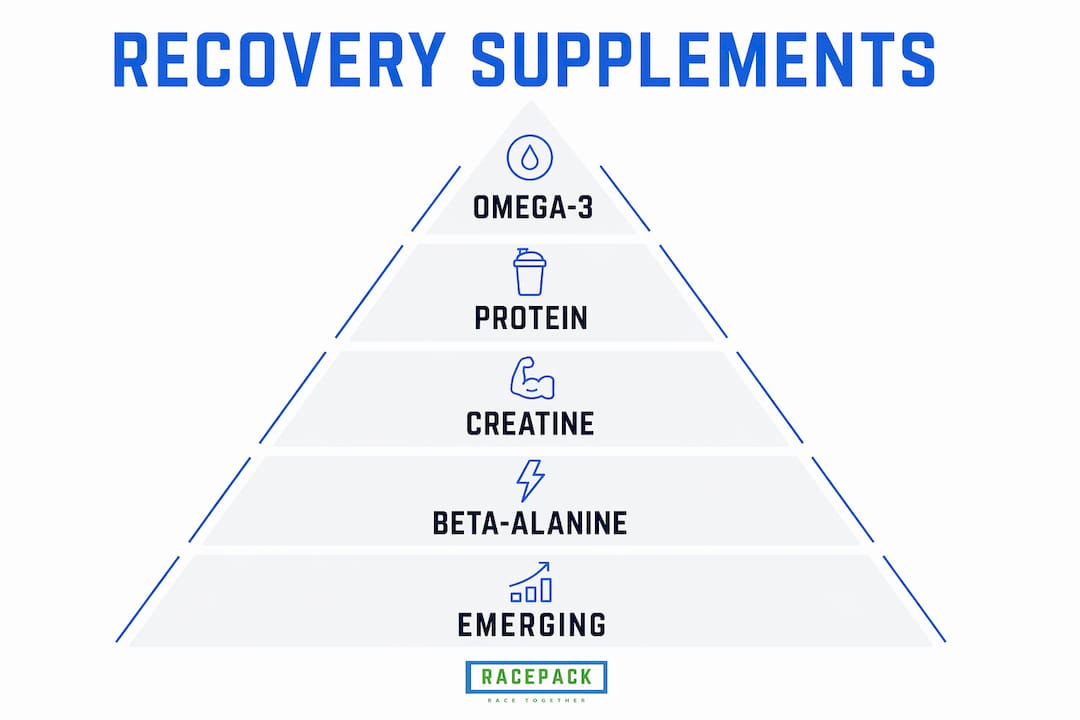
The strongest evidence for recovery supplements comes from a network meta-analysis of 35 trials covering 1,211 athletes, which found omega-3 fatty acids ranked highest for recovery outcomes, with a standardized mean difference of 0.40 and an 88.7% SUCRA score. That ranking means omega-3 outperformed protein, creatine, and BCAAs across the combined dataset. For athletes dealing with persistent muscle soreness or inflammation after high-volume training, omega-3 supplementation is the most evidence-backed starting point.
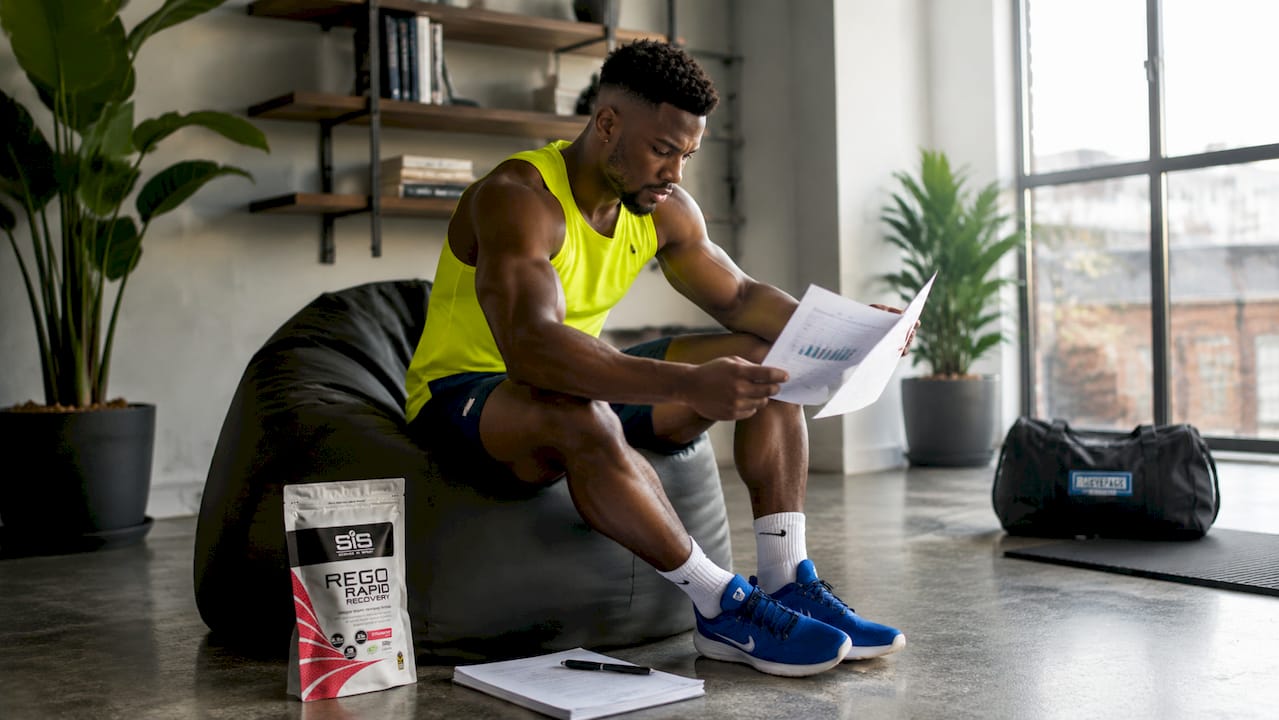
Protein is the second pillar of nutritional support for athletes. Muscle protein synthesis is the process by which your body rebuilds damaged muscle fibers after exercise, and dietary protein provides the amino acid building blocks that drive it. Whey protein, in particular, is absorbed rapidly and delivers a high leucine content, which directly triggers muscle repair pathways. Athletes who train twice a day or compete in multi-day events benefit most from consistent protein intake across meals and immediately post-workout.
Creatine monohydrate improves high-intensity power output and supports neuromuscular adaptation between sessions. It works by replenishing phosphocreatine stores in muscle cells, which fuels short, explosive efforts and speeds recovery between hard sets or intervals. BCAAs, particularly leucine, isoleucine, and valine, reduce delayed onset muscle soreness and improve recovery metrics when taken around training. For a deeper look at how BCAAs fit into a recovery plan, the BCAA supplement guide at RacepackSingapore covers practical application well.
Here is a quick reference for the core recovery supplements:
| Supplement | Primary recovery benefit | Typical application |
|---|---|---|
| Omega-3 fatty acids | Reduces inflammation and muscle soreness | Daily with meals, 2–4g per day |
| Whey protein | Supports muscle repair and synthesis | Post-workout, 20–40g per serving |
| Creatine monohydrate | Replenishes phosphocreatine, aids power recovery | 3–5g daily, any time |
| BCAAs | Reduces soreness, supports muscle remodeling | Around training sessions |
| β-alanine | Delays muscular fatigue during high-intensity work | 4–6g daily for 4–8 weeks |
β-alanine deserves special mention. Supplementing at 4–6 grams daily for 4–8 weeks raises muscle carnosine levels, which buffers acid buildup during intense efforts. That buffering effect delays the onset of fatigue, meaning you can sustain higher output before performance drops. Athletes in sports with repeated high-intensity bouts, like HYROX, cycling, or team sports, see the clearest benefit.
Pro Tip: Take beta-alanine in split doses of 1.5–2g with meals to reduce the tingling sensation (paresthesia) that some athletes experience at higher single doses.
Do supplements replace foundational recovery practices?
Supplements do not replace sleep, nutrition, hydration, or training load management. Recovery supplements modify inflammatory markers and soreness perception, but they do not restore energy availability or neuromuscular function, which are the core measures of true physiological recovery. That distinction matters because athletes who rely on supplements to feel ready often mask fatigue rather than resolve it.
The foundational recovery factors, in order of impact, are:
- Sleep: The primary window for growth hormone release and tissue repair. Seven to nine hours per night is the baseline for most athletes.
- Balanced diet: Carbohydrates restore glycogen; protein rebuilds muscle; micronutrients support immune function and hormone balance.
- Hydration: Even mild dehydration impairs muscle function and slows nutrient delivery to recovering tissue.
- Training load management: Progressive overload with planned recovery weeks prevents accumulated fatigue from compounding.
“Athletes should prioritize food, hydration, sleep, and progressive training before supplements. Supplements work downstream of these fundamentals — they do not substitute for them.” — Nicholas Mortensen, MSU Sport Coaching & Leadership
Protein supports muscle protein synthesis but does not replenish glycogen or address neuromuscular fatigue. That means a post-workout shake helps rebuild muscle, but it does nothing to restore the carbohydrate energy your muscles burned during the session. Athletes who skip carbohydrates after long runs or rides and rely solely on protein are leaving a major recovery gap unfilled. The active recovery guide at RacepackSingapore outlines how to structure the full recovery window, not just the supplement piece.
How to incorporate supplements into your recovery routine
Effective supplementation starts with evidence-based dosing and consistent timing. Guessing on dose or taking supplements sporadically produces inconsistent results and wastes money. The protocols below reflect current clinical guidance:
- Set your protein target first. Aim for 1.6–2.2 grams of protein per kilogram of body weight daily. Distribute intake across three to four meals rather than loading it all post-workout.
- Add creatine as a daily habit. Three to five grams of creatine monohydrate taken at any consistent time each day is sufficient. No loading phase is required for long-term users.
- Run a β-alanine cycle before key training blocks. Four to six grams daily for four to eight weeks builds carnosine to effective levels. Time it to peak before your most demanding training phase.
- Use omega-3 with meals. Two to four grams of EPA and DHA daily, taken with food to improve absorption, addresses the inflammation that accumulates with high training loads.
- Choose third-party tested products. The supplement market lacks pharmaceutical-level oversight, which creates real risks from contamination, mislabeling, and inaccurate dosing. Certifications from NSF International or Informed Sport confirm that what is on the label is what is in the product.
Pro Tip: Before adding any new supplement, consult a sports dietitian or physician. An individualized plan based on your training load, diet, and goals will always outperform a generic stack.
Up to 90% of active adults use dietary supplements, often without professional guidance. That prevalence does not validate widespread use. It signals a gap between marketing reach and evidence-based practice. Athletes who skip the expert consultation step are more likely to misuse products, stack unnecessarily, or ignore the nutrition basics that supplements are meant to complement.
For endurance athletes specifically, post-race recovery nutrition requires a precise combination of carbohydrates and protein within the first 30–60 minutes after finishing. The marathon recovery nutrition guide at RacepackSingapore covers this window in detail for runners.
What are emerging supplement categories for recovery?
Beyond the established compounds, a new generation of recovery supplements is gaining clinical attention. Biotics, which include probiotics, prebiotics, and postbiotics, are the most studied of these emerging categories. Recent narrative reviews show that biotics aid recovery by managing inflammation and supporting gut-derived energy pathways. A healthy gut microbiome improves nutrient absorption, which means the protein and carbohydrates you consume post-workout are more effectively used.
Antioxidants and anti-inflammatory compounds like curcumin are also under active investigation. Curcumin, the active compound in turmeric, shows promise for reducing exercise-induced oxidative stress and supporting tissue repair after injury. The evidence base is smaller than for omega-3 or protein, but the direction is consistent.
| Emerging category | Potential recovery benefit | Current evidence level |
|---|---|---|
| Probiotics/prebiotics | Inflammation control, improved nutrient absorption | Promising, limited RCTs |
| Curcumin | Oxidative stress reduction, tissue repair support | Moderate, growing |
| Postbiotics | Gut barrier integrity, immune function | Early stage |
| Antioxidant blends | Reduced oxidative damage post-exercise | Mixed, dose-dependent |
These categories are not yet ready to replace established supplements. Athletes should treat them as additions to a solid foundation of protein, omega-3, and creatine, not as replacements. The research will likely mature significantly over the next two to three years.
Key Takeaways
Sports supplements improve recovery by targeting specific physiological gaps, including inflammation, muscle repair, and energy replenishment, but they work only when built on a foundation of sleep, nutrition, and hydration.
| Point | Details |
|---|---|
| Omega-3 leads the evidence | Network meta-analysis of 1,211 athletes ranked omega-3 highest for recovery outcomes across 35 trials. |
| Protein repairs, not restores | Protein rebuilds muscle but does not replenish glycogen or fix neuromuscular fatigue. |
| Foundations come first | Sleep, diet, hydration, and load management drive recovery more than any supplement. |
| Dosing and testing matter | Use evidence-based doses and choose third-party tested products to avoid contamination risks. |
| Emerging biotics show promise | Probiotics and curcumin are gaining evidence for inflammation control and gut-supported recovery. |
My honest view on recovery supplements after years in the field
By Jason John
After working with athletes across endurance and strength sports, my clearest observation is this: supplements are minor modulators. They shift the dial a few degrees. They do not rewrite the recovery equation. The athletes I have seen recover fastest are the ones who sleep eight hours, eat real food consistently, and manage their training load with discipline. Their supplements work because everything underneath them is solid.
What surprises most athletes is the role of placebo effects in supplement use. Feeling more confident and ready because you took your recovery shake is a real psychological benefit. It improves training adherence and subjective readiness, which compounds over time. That is not a reason to dismiss supplements. It is a reason to be honest about what they are doing.
My practical advice: build your recovery system from the ground up. Fix sleep first. Then dial in your post-workout nutrition. Then add targeted supplements where the evidence is strong. Omega-3 and creatine are the two I would recommend to almost any athlete. Everything else depends on your specific sport, training load, and goals. Consult a sports dietitian before building a stack. The money you spend on expert guidance pays back far more than any premium supplement.
— Jason John
Recovery supplements available at RacepackSingapore
RacepackSingapore stocks a focused range of recovery products from Science in Sport (SiS), one of the most research-backed brands in endurance nutrition.
The SiS REGO Rapid Recovery protein powder delivers a fast-absorbing protein and carbohydrate blend designed for the critical post-workout window. For endurance athletes who need both glycogen replenishment and muscle repair after long sessions, it covers both needs in one serving. The SiS Beta Fuel Recovery Powder supports endurance recovery with a formula built around carbohydrate restoration and muscle support. For post-race inflammation and sleep quality, SiS REGO Cherry Juice is a natural tart cherry concentrate shown to reduce muscle soreness and support overnight recovery. All products ship next day within Singapore with guaranteed authenticity.
FAQ
Why do sport supplements improve recovery faster than food alone?
Supplements deliver specific nutrients, like fast-absorbing whey protein or concentrated omega-3, in precise doses that whole foods cannot always match immediately after training. They fill targeted gaps in the post-workout window when speed and dose precision matter most.
What is the best recovery supplement for athletes?
A network meta-analysis of 35 trials ranked omega-3 fatty acids highest for recovery outcomes among athletes. Protein and creatine monohydrate follow closely, with strong systematic review support for both.
How long does it take for recovery supplements to work?
Creatine and protein show effects within days to weeks of consistent use. Beta-alanine requires 4–8 weeks of daily dosing at 4–6 grams to build effective muscle carnosine levels.
Can supplements replace sleep and nutrition for recovery?
No. Recovery supplements modify soreness and inflammation markers but do not restore glycogen, neuromuscular function, or the hormonal repair processes that only occur during sleep.
Are recovery supplements safe for everyday athletes?
Most evidence-backed supplements like protein, creatine, and omega-3 are safe for healthy adults at recommended doses. Choose third-party tested products certified by NSF International or Informed Sport to avoid contamination and mislabeling risks.
What role do BCAAs play in muscle recovery?
BCAAs, particularly leucine, reduce delayed onset muscle soreness and support muscle remodeling after resistance and endurance training. They work best when overall daily protein intake is already adequate.
Do probiotics help with athletic recovery?
Emerging research shows probiotics aid recovery by controlling inflammation and improving gut health, which supports nutrient absorption. The evidence is promising but not yet as strong as for omega-3 or protein.
How should I time protein intake for recovery?
Consume 20–40 grams of protein within 30–60 minutes after training to maximize muscle protein synthesis. Distribute the remaining daily protein target across three to four meals for sustained muscle repair. The whey protein guide at RacepackSingapore covers timing in detail for different training types.
What supplements do endurance athletes need most for recovery?
Endurance athletes benefit most from protein for muscle repair, carbohydrates for glycogen restoration, and omega-3 for inflammation control. The recovery nutrition guide for runners at RacepackSingapore provides sport-specific guidance on post-event nutrition.
Is creatine useful for recovery or just for performance?
Creatine supports both. It replenishes phosphocreatine stores between high-intensity efforts and supports neuromuscular adaptation across training cycles, making it relevant for recovery as well as acute performance.