

The Role of Electrolytes in High-Intensity Training
TL;DR:
- Electrolytes regulate fluid, nerve signals, and muscle function during high-intensity exercise. They are most critical during efforts over 90 minutes to prevent performance decline and health risks. Proper intake supports hydration, delays fatigue, and reduces cramping, especially in hot or prolonged workouts.
Electrolytes are charged minerals that regulate fluid balance, nerve signaling, and muscle contraction during high-intensity exercise. Sodium, potassium, magnesium, and calcium are the four minerals that matter most when you train hard. The role of electrolytes in high-intensity workouts becomes especially critical during prolonged efforts lasting more than 90 minutes, where sweat losses accelerate and performance can collapse without proper replenishment. The American College of Sports Medicine (ACSM) and a growing body of 2026 research confirm that electrolyte management is not optional for serious endurance athletes. Get it right, and you hold your pace. Get it wrong, and your body tells you loudly.
How do electrolytes support hydration and performance in high-intensity exercise?
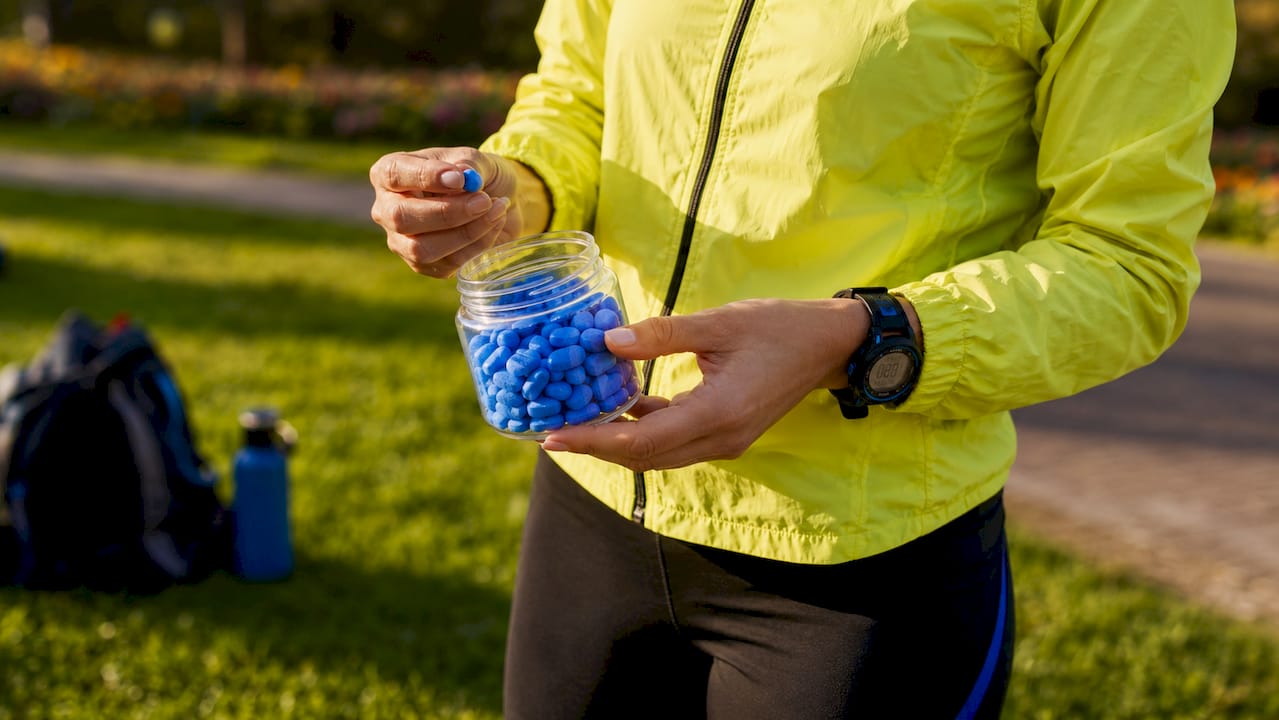
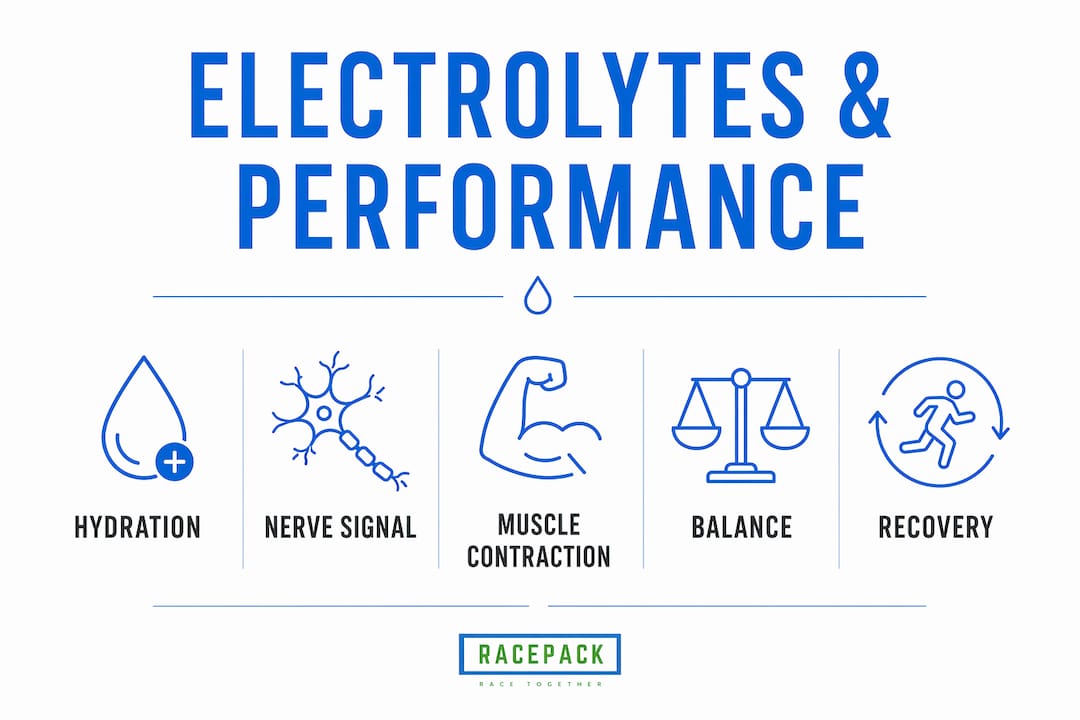
Electrolytes govern fluid movement between your cells and the surrounding tissue. Sodium pulls water into the bloodstream and keeps blood volume high enough to deliver oxygen to working muscles. Potassium controls the electrical signals that trigger muscle contractions. Magnesium supports energy production at the cellular level, and calcium initiates the contraction cycle in muscle fibers.
When you sweat, you lose all four. Average sweat rates range from 0.83 to 1.51 liters per hour depending on sport and environment. That rate means a 90-minute run in Singapore’s heat can strip your body of more than two liters of fluid and a significant amount of sodium before you finish.
The performance consequences are direct. Carbohydrate-electrolyte supplementation during moderate to high intensity exercise significantly extends time to exhaustion and sustains muscular output by maintaining blood glucose and sodium balance. This effect is most pronounced for efforts exceeding 90 minutes. For shorter sessions, the benefit shrinks considerably.
Here is what each key electrolyte does under exercise stress:
- Sodium: Maintains blood volume and drives thirst, which keeps you drinking at the right rate.
- Potassium: Regulates nerve impulses and prevents the electrical misfires that cause cramping.
- Magnesium: Supports ATP production and reduces muscle fatigue at the cellular level.
- Calcium: Triggers and releases muscle contractions with every stride or stroke.
Pro Tip: Pair your electrolyte drink with a small carbohydrate source during sessions over 60 minutes. The combination improves sodium absorption in the gut and delivers fuel at the same time, which is more effective than either alone.
For a deeper look at how sodium specifically affects your endurance output, the role of sodium during marathon running is a useful starting point.
What are the effects of electrolyte imbalance during intense workouts?
Electrolyte imbalance takes two forms: depletion and dilution. Both hurt performance, and both carry real health risks.
Performance declines from dehydration typically appear once fluid loss exceeds 2% of body mass. For an 80 kg athlete, that is roughly 1.6 liters. At that point, blood volume drops, heart rate rises to compensate, and your perceived effort spikes even though your pace stays the same.
The less discussed risk is exercise-associated hyponatremia. Hyponatremia occurs when excessive plain water intake dilutes blood sodium concentration. Symptoms include nausea, confusion, and in severe cases, seizures. Endurance athletes who drink large volumes of plain water during long events without replacing sodium face this risk directly.
Common electrolyte depletion symptoms to watch for include:
- Sudden fatigue or heavy legs during a session that should feel manageable
- Muscle cramps, particularly in the calves, hamstrings, or feet
- Headache or dizziness during or after exercise
- Excessive thirst combined with dark urine
- Mental fog or difficulty maintaining race focus
One important nuance: sweat sodium concentration varies widely between athletes. Two runners completing the same marathon in the same heat can lose vastly different amounts of sodium. Generic intake guidelines work as a starting point, but they do not account for individual variation. Athletes who notice white salt residue on their skin or kit after training are likely high-sodium sweaters who need more aggressive replacement.
When and how should athletes manage electrolyte intake?
Timing and quantity both matter. Getting either wrong reduces the benefit of supplementation, even if you choose the right product.
For long-distance training or racing, a sodium intake baseline of 700–900 mg per 1,000 ml of fluid is the recommended starting point. In hot or humid conditions, drinking 120–180 ml of fluid every 15–20 minutes supports adequate replacement without overloading the gut.
Follow this sequence to build a practical electrolyte strategy:
- Calculate your sweat rate. Weigh yourself before and after a one-hour training session without drinking. Every kilogram lost equals approximately one liter of sweat.
- Estimate your sodium loss. High-sodium sweaters lose more than 1,000 mg of sodium per liter. If you see salt stains on your kit, assume you are in this group.
- Choose the right product format. Capsules work well for athletes who prefer to control fluid intake separately. Drink mixes combine hydration and electrolytes in one step.
- Pre-load before long events. Drinking an electrolyte solution 60–90 minutes before a race improves plasma volume and delays the point at which dehydration affects performance.
- Replenish after training. Post-exercise recovery requires replacing both fluid and electrolytes lost during the session, not just water.
Supplemental electrolytes are generally unnecessary for light to moderate exercise under 60 minutes in cool conditions. The threshold where supplementation pays off is prolonged, intense, or hot conditions involving high sweat losses. Knowing that threshold saves you money and prevents unnecessary intake.
Pro Tip: If you train in Singapore’s heat and humidity, shift your sodium intake toward the higher end of the 700–900 mg range and increase fluid frequency to every 15 minutes rather than every 20.
For athletes who want a full race-day hydration plan, the electrolyte balance guide for marathons covers sodium timing and fluid replacement in detail. You can also find a broader breakdown of endurance supplement strategies that covers carbohydrate-electrolyte combinations for high-intensity training.
What are common misconceptions about electrolytes and muscle cramps?
Muscle cramps are not simply a sign of electrolyte depletion. Cramping is multifactorial, involving fatigue, exercise intensity, heat, previous injury, and localized neuromuscular factors. Treating every cramp with a sodium tablet misses the full picture.
Research shows that sodium and magnesium supplementation does not guarantee cramp prevention. Athletes who cramp consistently during races often do so because of accumulated fatigue and high-intensity effort, not because their electrolyte levels are critically low. The cramp-electrolyte link is real but overstated in popular sports nutrition messaging.
Practical factors that contribute to cramping beyond electrolyte loss:
- Running or cycling at a pace above your trained threshold for that distance
- Inadequate sleep or recovery in the days before a hard session
- Muscle groups that are undertrained relative to the demand placed on them
- Heat exposure without adequate acclimatization
Managing cramps requires addressing all of these factors together. Electrolyte replenishment is one part of the solution, not the whole answer. Athletes who rely solely on supplements without addressing pacing, training load, and recovery will continue to cramp regardless of how much sodium they consume.
Chronic low water intake can strain the renal and endocrine systems over time, even when acute performance appears stable. This means hydration is a daily health priority, not just a race-day concern.
Key Takeaways
Electrolyte balance is the single most controllable factor separating consistent endurance performance from preventable fatigue and cramping during high-intensity training.
| Point | Details |
|---|---|
| Electrolytes drive performance | Sodium, potassium, magnesium, and calcium regulate fluid balance, nerve signals, and muscle contractions. |
| The 90-minute threshold matters | Supplementation delivers measurable benefits mainly for exercise lasting more than 90 minutes. |
| Dehydration hits at 2% fluid loss | An 80 kg athlete loses performance after shedding roughly 1.6 liters of fluid. |
| Hyponatremia is a real risk | Drinking excessive plain water without sodium replacement dilutes blood sodium and harms health. |
| Cramps are multifactorial | Electrolyte loss contributes to cramping, but fatigue, intensity, and training load are equally important causes. |
What I’ve learned from years of watching athletes get electrolytes wrong
Most athletes I talk to fall into one of two camps. The first group ignores electrolytes entirely until something goes wrong, usually a bad cramp at kilometer 30 of a marathon or a dizzy spell after a hard track session. The second group treats electrolytes like a cure-all, popping capsules before every run regardless of duration or conditions.
Both approaches miss the point. The research is clear that electrolytes for intense workouts matter most when sweat losses are high and sessions run long. For a 45-minute gym circuit, plain water is almost always enough. For a two-hour trail run in humid conditions, skipping electrolytes is a genuine performance mistake.
What I find most underused is sweat testing. Individual sodium loss varies so much between athletes that generic guidelines can leave a high-sodium sweater chronically under-replaced or push a low-sodium sweater into unnecessary intake. If you train seriously, knowing your own sweat rate and sodium concentration is worth the investment. It removes the guesswork and lets you build a strategy that actually fits your body.
The other thing I want athletes to take seriously is long-term hydration. Performing well in a single race while chronically under-hydrated across training weeks is a trade-off that catches up with you. Kidney and hormonal health depend on consistent daily fluid intake, not just race-day heroics.
— Jason John
RacepackSingapore’s top picks for electrolyte replenishment
Choosing the right electrolyte product depends on your training format, sweat rate, and how you prefer to fuel during sessions.
For athletes who want precise, capsule-based control, SaltStick Electrolyte Caps deliver buffered electrolyte salts formulated specifically for endurance use. The buffered formula reduces stomach upset during hard efforts. For a drink-based approach, the MyProtein HYROX Electro Drink Mix replenishes essential minerals and supports hydration in one step. Athletes who need combined carbohydrate and electrolyte fuel can reach for the HYROX Electrofuel Powder, which delivers sustained energy alongside fluid balance support. All three are available with next-day delivery through RacepackSingapore. Buy now and get your hydration strategy ready before your next hard session.
FAQ
What is the role of electrolytes in high-intensity exercise?
Electrolytes regulate fluid balance, nerve impulses, and muscle contractions during intense exercise. Sodium, potassium, magnesium, and calcium are the primary minerals involved, and their loss through sweat directly impairs performance when not replaced.
When do athletes actually need electrolyte supplements?
Electrolyte supplementation becomes necessary mainly during prolonged, intense, or hot conditions involving high sweat losses. For sessions under 60 minutes in cool conditions, plain water is typically sufficient.
How much sodium should endurance athletes consume during a race?
A baseline of 700–900 mg of sodium per 1,000 ml of fluid is the recommended starting point for long-distance efforts. Athletes who sweat heavily or train in heat should adjust toward the higher end of that range.
Can electrolytes prevent muscle cramps during intense workouts?
Electrolyte replacement reduces one contributing factor to cramping, but cramps are multifactorial. Fatigue, exercise intensity, training load, and heat all play roles, so supplementation alone does not guarantee cramp prevention.
What is exercise-associated hyponatremia and how do I avoid it?
Hyponatremia occurs when blood sodium is diluted by excessive plain water intake during prolonged exercise. Avoiding it requires replacing sodium alongside fluid, particularly during events lasting more than two hours.
How do I know if I am a high-sodium sweater?
White residue or salt stains on your skin and kit after training are reliable signs of high sodium loss. These athletes need to consume sodium at the higher end of recommended ranges and may benefit from individual sweat testing.
Does dehydration always hurt performance?
Performance declines from dehydration typically appear only after fluid loss exceeds 2% of body mass. Below that threshold, most athletes maintain output, though staying well-hydrated supports comfort and pacing consistency.
Are electrolyte drinks better than plain water for recovery?
Electrolyte-containing drinks outperform plain water for recovery after prolonged or intense sessions because they replace both fluid and the minerals lost through sweat. Plain water alone can dilute remaining blood sodium if consumed in large volumes post-exercise.
What are the long-term health risks of poor hydration in athletes?
Chronic low water intake strains the renal and endocrine systems over time, even when short-term performance appears unaffected. Daily hydration habits matter as much as race-day strategy for long-term athlete health.
Which RacepackSingapore products are best for electrolyte replenishment?
SaltStick Electrolyte Caps suit athletes who prefer capsule-based sodium control during long efforts. The MyProtein HYROX Electro Drink Mix and HYROX Electrofuel Powder are strong options for athletes who want combined hydration and carbohydrate fuel in a single product.