

Marathon Race Day Nutrition: Your 2026 Performance Guide
TL;DR:
- Proper marathon nutrition involves strategic carbohydrate, fluid, and electrolyte intake to sustain energy and prevent dehydration. Runners should focus on carb loading in the days before, a familiar pre-race meal, early fueling during the race, and individualized hydration strategies. Practicing these nutrition tactics during training helps avoid GI distress and optimizes race-day performance.
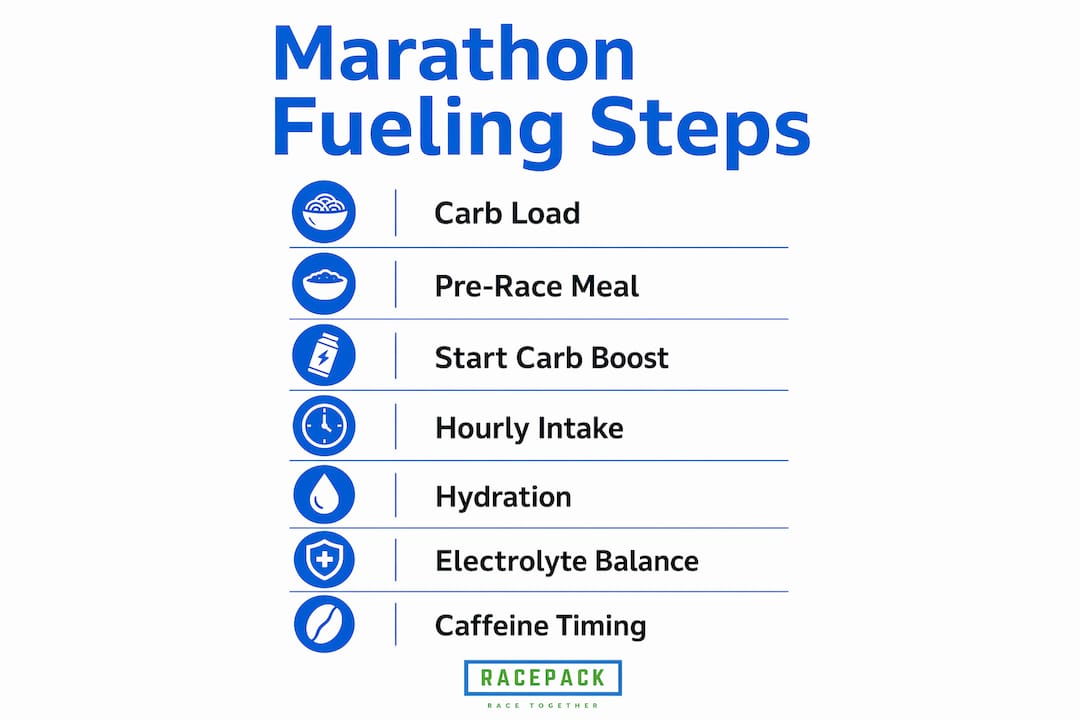
Marathon race day nutrition is the strategic intake of carbohydrates, fluids, and electrolytes timed precisely around your race to protect glycogen stores, maintain hydration, and sustain performance from start to finish. Get it right and you run your best race. Get it wrong and you hit the wall at mile 20, regardless of your training. The protocols below are grounded in current sports nutrition science and built for runners who want a clear, practical plan they can execute with confidence.
What is the right marathon race day nutrition plan?
The foundation of race day fueling starts two to three days before the gun fires. Carb loading protocol calls for 8–12g of carbohydrates per kg of body weight per day during this window. For a 70kg runner, that means 560–840g of carbs daily. That volume sounds large, but it is achievable when you choose the right foods and spread intake across five to six meals.
The best carb sources during this phase are low-fiber, easily digestible options. Sports nutrition researchers call these “beige carbs” because they tend to be white and starchy.
- White rice, white pasta, and white bread
- Bagels, English muffins, and plain crackers
- Bananas, boiled potatoes, and fruit juice
- Sports drinks and rice cakes
High-fiber foods stay in your gut for 24–30 hours, raising the risk of GI distress on race morning. Cut them out 48 hours before your race. High-fat meals slow gastric emptying and compete with carb absorption, so keep fat intake low during the loading phase too.
Pro Tip: Spread your carb load across five to six smaller meals rather than three large ones. Your gut absorbs carbs more efficiently in smaller doses, and you avoid the bloated, sluggish feeling that comes from one enormous pasta dinner the night before.
What should you eat on race morning?
Your pre-race meal sets your blood sugar and tops off liver glycogen before the start. Aim for 1–4g of carbs per kg of body weight, consumed 2–4 hours before the gun. A 70kg runner targeting 3g/kg needs roughly 210g of carbs at breakfast. A bagel with jam plus a banana delivers 80–100g, so two of those combinations with a sports drink gets you close.
The rules for race morning are simple.
- Choose familiar foods you have eaten before long training runs
- Keep fat and fiber low to speed gastric emptying
- Avoid dairy if your stomach is sensitive under race stress
- Sip a sports drink or water alongside your meal
Fifteen to 45 minutes before the start, take a small carb top-up of around 25g. One energy gel or a small banana works well here. This primes your blood sugar right as the race begins without sitting heavy in your stomach.
Pro Tip: Never try a new food on race morning. Your gut is already under stress from nerves and adrenaline. Stick to foods you have tested on long run mornings, even if something at the expo or hotel breakfast looks appealing.

How do you fuel effectively during a marathon?
In-race fueling is where most runners make their biggest mistakes. The target is 60–90g of carbohydrates per hour, using a 2:1 glucose-to-fructose ratio to maximize intestinal absorption. That ratio matters because glucose and fructose use different transport pathways in the gut. Using both together raises your absorption ceiling significantly.
Dual-transport carbohydrate formulas push absorption up to 80–90g of carbs per hour, which is why Maurten’s hydrogel technology has become a go-to for elite and age-group runners alike. Runners targeting sub-3:30 finish times benefit most from hitting the upper end of that range.
Start fueling within the first 15–30 minutes of the race, not when you feel tired. By the time fatigue signals arrive, your glycogen is already depleted. Early, consistent fueling prevents that deficit from building.
Common fueling options and how to use them:
- Energy gels: 20–50g of carbs per gel. Take with water, never with a sports drink. Combining a gel with a carb-heavy sports drink creates a high osmotic load in your stomach and triggers GI distress.
- Energy bars: Solid food like Maurten Solid 160 bars works well in the first half when your gut is still comfortable. Chewing becomes harder in the final miles.
- Sports drinks: Useful for combined carb and electrolyte delivery, but track the carb content so you do not accidentally double-dose when also taking gels.
Energy gels taken with water keep the stomach concentration manageable and absorption fast. This is one of the most commonly ignored rules in amateur racing.
Pro Tip: Time a caffeine gel between miles 18 and 22. Caffeine at 3–6mg/kg delivers a measurable performance boost right when your legs and mind need it most. Save it for that window rather than taking it early, when the effect fades before the finish.
Hydration and electrolyte strategies for race day
Fluid needs during a marathon range from 400–800ml per hour, adjusted for temperature, humidity, and your individual sweat rate. That is a wide range because runners vary enormously. A 55kg woman running in cool conditions needs far less than a 90kg man racing in Singapore’s heat.
Sodium is the key electrolyte to replace. The standard recommendation is 300–700mg of sodium per hour. Runners in hot conditions above 75°F, or heavy sweaters who finish runs with white salt crust on their skin, need more. Sodium intake in heat should reach 700–1,000mg per hour to match sweat losses and prevent cramps. Sports drinks alone often fall short for these runners, making salt capsules a practical addition. For a deeper look at managing sodium on the run, the RacepackSingapore guide on sodium during marathons covers this in detail.
| Condition | Fluid target (per hour) | Sodium target (per hour) |
|---|---|---|
| Cool weather, moderate sweater | 400–500ml | 300–500mg |
| Warm weather, moderate sweater | 500–650ml | 500–700mg |
| Hot weather or heavy sweater | 650–800ml | 700–1,000mg |
Overdrinking is as dangerous as underdrinking. Drinking beyond thirst dilutes blood sodium and causes hyponatremia, a condition that sends runners to the medical tent. Drink to thirst unless you have been sweat-tested and know your exact fluid losses.
Pro Tip: Sip fluids at every aid station rather than gulping a full cup. Small, frequent sips keep your stomach settled and your hydration steady. Gulping large volumes at once slows gastric emptying and increases bloating risk.
Common race day nutrition mistakes to avoid
Most race day nutrition failures are predictable and preventable. The errors below account for the majority of GI problems and energy crashes seen at the finish line.
- Eating high-fiber or high-fat foods the night before. Fiber stays in your gut for up to 30 hours. A salad or bean-heavy meal the evening before your race is a direct path to runner’s trots at mile 10.
- Starting fueling too late. Waiting until you feel hungry or tired means your glycogen is already low. Start your first gel within 15–30 minutes of the gun.
- Trying new products on race day. A new gel brand, sports drink, or energy bar you have never tested in training is a gamble with your stomach. Gut training is non-negotiable. If a product causes discomfort in training, it has no place in your race.
- Combining gels and sports drinks simultaneously. This stacks two carb sources at once and overwhelms your gut’s absorption capacity. Take gels with water only.
- Ignoring sodium in hot conditions. Relying on plain water in heat depletes sodium and sets up cramps and hyponatremia. Plan your electrolyte intake before race day.
“Nutrition is a gut-training exercise. Failure to practice your race-day nutrition strategy in training is the single most predictable cause of GI distress and underperformance on race day.” — Johns Hopkins Medicine
Understanding gel absorption mechanics before race day helps you build a fueling plan that your gut can actually execute.
Key takeaways
Effective marathon fueling requires carb loading, timed pre-race meals, consistent in-race intake of 60–90g of carbohydrates per hour, and individualized hydration based on sweat rate and conditions.
| Point | Details |
|---|---|
| Carb load for 2–3 days | Target 8–12g of carbs per kg of body weight daily using low-fiber, easily digestible foods. |
| Pre-race meal timing | Eat 1–4g of carbs per kg 2–4 hours before the start, with a 25g top-up 15–45 minutes before. |
| Start fueling early | Take your first gel within 15–30 minutes of the gun, before fatigue or hunger signals arrive. |
| Match sodium to conditions | Target 300–700mg of sodium per hour, rising to 700–1,000mg in heat or for heavy sweaters. |
| Train your gut first | Practice every product and timing strategy in training before committing to it on race day. |
What I have learned from years of watching runners fuel wrong
I have seen runners execute near-perfect training blocks and then fall apart between miles 18 and 22 because of nutrition decisions made the morning of the race. The pattern is almost always the same: a heavy dinner the night before, a new gel flavor grabbed from the expo bag, and no sodium plan for a warm day.
The biggest shift I have seen in runners who consistently perform well is that they treat nutrition as a skill, not an afterthought. They practice their gel timing on every long run. They know their sweat rate. They have a caffeine gel staged for the back half. None of that happens by accident.
Weather is the variable most runners underestimate. A race that starts at 65°F and climbs to 78°F by mile 20 changes your sodium and fluid needs significantly. I always tell runners to check the forecast the day before and adjust their salt capsule plan accordingly. Carrying two or three extra salt capsules costs nothing and can save your race.
The other thing I believe strongly: your nutrition plan should feel boring by race morning. If you are still deciding what to eat or which gel to carry, you have not practiced enough. The best race day nutrition plan is the one you have already run a dozen times in training.
— Jason John
RacepackSingapore’s top picks for marathon fueling
RacepackSingapore carries the products that serious runners in Singapore rely on for race day. Whether you are building your first fueling plan or refining a strategy you have used for years, having the right products in hand makes execution straightforward.
The Maurten Full Marathon Starter Kit is the most complete solution for runners who want a proven, pre-planned fueling system. It covers your carb and hydration needs from start to finish using Maurten’s hydrogel technology, which is designed for high absorption and minimal GI stress. For runners who prefer gel-only fueling, Maurten Gel 100 packs deliver 25g of carbs per gel in a format that is easy to carry and easy to digest. All products ship next-day within Singapore with guaranteed authenticity. Buy now and have your race day nutrition ready before your next long run.
FAQ
What is marathon race day nutrition?
Marathon race day nutrition is the planned intake of carbohydrates, fluids, and electrolytes timed around your race to sustain energy and prevent dehydration. It covers carb loading in the days before, your pre-race meal, in-race fueling, and post-race recovery.
How many carbs should I eat per hour during a marathon?
Target 60–90g of carbohydrates per hour during the race, using a 2:1 glucose-to-fructose ratio to maximize absorption. Dual-transport carb formulas can push absorption up to 80–90g per hour for runners going hard.
What should I eat the morning of a marathon?
Eat 1–4g of carbs per kg of body weight 2–4 hours before the start, choosing low-fat, low-fiber, familiar foods. Add a 25g carb top-up 15–45 minutes before the gun, such as one energy gel or a small banana.
Should I take energy gels with water or sports drink?
Always take energy gels with water, not sports drinks. Combining a gel with a carb-heavy sports drink creates a high osmotic load in your stomach and increases the risk of GI distress.
How much sodium do I need during a marathon?
Target 300–700mg of sodium per hour under normal conditions. In heat above 75°F or if you are a heavy sweater, increase sodium intake to 700–1,000mg per hour, using salt capsules alongside sports drinks if needed.
When should I take a caffeine gel during a marathon?
Take a caffeine gel between miles 18 and 22 for the best effect. An effective dose is 3–6mg of caffeine per kg of body weight, timed to deliver a performance boost during the hardest part of the race.
How do I avoid GI distress on race day?
Practice your entire nutrition strategy, including gel brand, timing, and fluid intake, on every long training run. Avoid high-fiber and high-fat foods 48 hours before the race, and never introduce a new product on race morning.
What is carb loading and how long does it take?
Carb loading is a 2–3 day protocol of eating 8–12g of carbohydrates per kg of body weight daily to maximize muscle glycogen before a marathon. It requires low-fiber, easily digestible foods like white rice, pasta, and bread.
Can I drink too much water during a marathon?
Yes. Overdrinking dilutes blood sodium and causes hyponatremia, which is a serious medical condition. Drink to thirst rather than fixed volumes unless you have been sweat-tested and know your exact fluid losses.
What are the best snacks for marathon fueling?
Energy gels, solid energy bars, and sports drinks are the most practical options for in-race fueling. The Maurten Solid 160 bars work well in the first half of the race when solid food is still comfortable to eat.
How do I know if I am a heavy sweater?
Heavy sweaters finish runs with visible white salt residue on their skin or clothing. If that describes you, plan for sodium intake at the higher end of the recommended range and consider salt capsules for races in warm conditions.
Where can I buy marathon nutrition products in Singapore?
RacepackSingapore stocks Maurten, SIS, GU, and other leading endurance nutrition brands with next-day delivery across Singapore. Buy now to get your race day nutrition sorted before your next training block.