

Electrolyte Balance During Marathon: Your 2026 Race Guide
TL;DR:
- Electrolyte balance during a marathon depends mainly on sodium to support hydration and muscle function. Knowing your personalized sweat rate and sodium loss helps build an effective hydration plan tailored to race conditions. Proper timing and selection of electrolytes combined with carbohydrates enhance performance and reduce risks like hyponatremia.
Electrolyte balance during a marathon is the state of maintaining adequate levels of key minerals, primarily sodium, to support proper hydration, muscle contraction, and nerve signaling throughout the race. Lose too much sodium through sweat and your performance drops fast. Runners sweat between 400 and 2,400 mL per hour, averaging around 1,200 mL. Losing more than 2–3% of body weight through sweat triggers measurable performance decline. Getting your electrolyte replenishment right is not optional. It is the foundation of every strong marathon finish.
What are the key electrolytes lost during marathon running?
Sodium is the dominant electrolyte in sweat and the one that matters most for endurance performance. It regulates fluid balance, supports nerve signals, and drives muscle contraction. Without enough sodium, your body cannot hold the fluid you drink, and plasma volume drops. That drop reduces blood flow to working muscles and raises your heart rate for the same pace.
The other electrolytes lost in sweat include:
- Sodium: The primary electrolyte in sweat. Controls fluid distribution between cells and blood. Sodium prevents plasma volume reduction and keeps nerve and muscle function intact during long efforts.
- Potassium: Works alongside sodium to regulate muscle contractions and maintain electrical signals in nerve cells. Lost in smaller amounts than sodium.
- Magnesium: Supports energy production and muscle relaxation. Deficiency contributes to cramping, though the link between magnesium loss and race-day cramps is still debated in sports science.
- Chloride: Travels with sodium in sweat. Helps maintain blood pH and supports fluid absorption in the gut.
Sweat sodium concentration varies widely from person to person, ranging from 200 to 2,000 mg per liter. That tenfold range means generic intake advice can leave one runner over-replaced and another dangerously under-replaced. Knowing your own sweat profile is not a luxury. It is the starting point for a real hydration plan.
How do you determine your personal sweat rate before race day?
Calculating your sweat rate gives you a concrete number to build your hydration plan around. Follow these steps during a training run that mirrors your race conditions.
- Weigh yourself before the run. Use a scale without clothes. Record your weight in kilograms.
- Run for 60 minutes at your target marathon pace. Do not drink during this test run.
- Weigh yourself immediately after. Every kilogram of weight lost equals approximately 1 liter of sweat.
- Calculate your hourly sweat rate. If you lost 0.8 kg in 60 minutes, your sweat rate is roughly 800 mL per hour.
- Repeat in heat. Sweat rate increases significantly in warm, humid conditions. Run the test in weather similar to your race environment.
Once you know your sweat rate, the next step is understanding your sweat sodium concentration. Sweat sodium testing, offered through sports performance labs and some running clinics, measures how much sodium you lose per liter. Sweat sodium testing helps tailor intake and minimizes the risk of hyponatremia or under-replacement on race day. Runners who skip this step often rely on generic advice that does not match their physiology.
Pro Tip: Run your sweat rate test at least twice, once in cool conditions and once in heat. The difference between the two numbers tells you exactly how much to adjust your intake on a warm race day.
What is an effective hydration and electrolyte strategy before and during a marathon?
A structured plan beats guesswork every time. The goal is to arrive at the start line well hydrated, then maintain fluid and electrolyte levels throughout the race without over or under-drinking.
Pre-race hydration
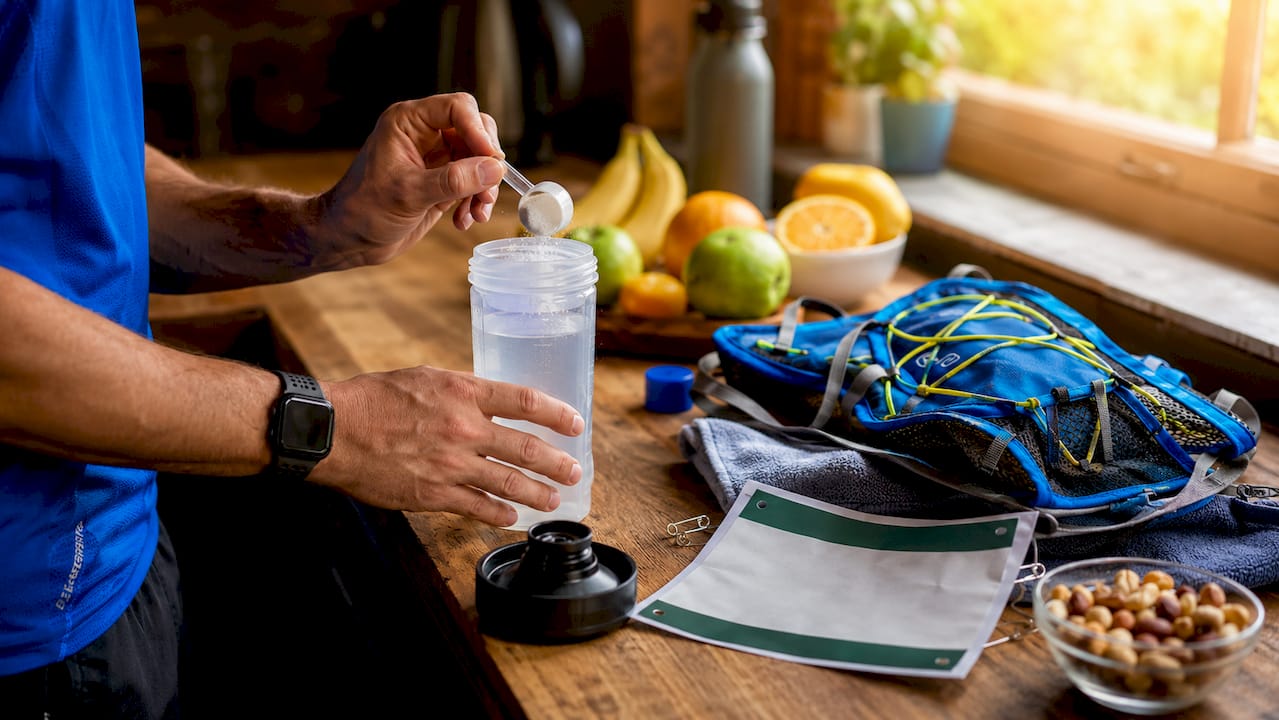
Drink 5–10 mL of fluid per kilogram of body weight in the 2–4 hours before your race start. Pair that fluid with a light salty snack to support sodium retention. Taper your intake in the 45 minutes before the gun goes off to avoid discomfort at the start. Read more about sodium’s role in marathon running to understand why this pre-race window matters.
During the race
| Phase | Fluid target | Sodium target |
|---|---|---|
| Every 15–20 minutes | 150–250 mL | 75–175 mg per serving |
| Per hour total | 500–800 mL | 300–700+ mg |
| Hot conditions | Increase by 10–20% | Increase toward upper range |
Small, consistent fluid intervals every 15–20 minutes outperform large infrequent drinks. Large volumes consumed at once overwhelm the gut and raise the risk of stomach distress. Sodium intake of 300–700+ mg per hour maintains balance and performance, with the upper range reserved for hot races or high-sweat runners.
Common mistakes that break this plan:
- Front-loading fluids the morning of the race. This causes bathroom urgency and does not improve hydration status. Hydrate steadily the day before instead.
- Relying on water alone. Plain water dilutes blood sodium and raises hyponatremia risk. Always pair water with a sodium source.
- Skipping electrolytes because you feel fine. Electrolyte depletion shows up late. By the time you feel symptoms, you are already behind.
- Mismatching gels and drinks. Some energy gels contain sodium. Some electrolyte drinks contain carbohydrates. Know what is in each product before race day.
Pro Tip: Write your hydration plan on your wrist or a small card tucked into your race kit. Decision-making gets harder after mile 18. A written plan removes the guesswork when your brain is fatigued.
What are common electrolyte mistakes marathon runners make?
The most dangerous mistake is overhydration. Drinking plain water alone during intense exercise risks exercise-associated hyponatremia, a condition where blood sodium drops to dangerous levels. Hyponatremia causes nausea, confusion, and in severe cases, seizures. It is more common in slower runners who spend more time on course and drink at every station regardless of thirst.
“Electrolyte supplements are needed when exercising vigorously for prolonged periods, in heat, or during illness. A balanced diet suffices at rest.” This principle from sports medicine is the clearest argument for using electrolytes specifically during your marathon, not as a daily habit.
Other common errors include:
- Ignoring personal sweat data. Running on generic advice when your sweat rate is double the average means you will be under-replaced by mile 20.
- Inconsistent timing. Skipping electrolytes for the first hour then doubling up later creates spikes and crashes in blood sodium.
- Not adjusting for race-day conditions. A cool training run does not predict your needs on a 30°C race day. Adjust intake for heat and your personal sweat profile every time conditions change.
- Assuming cramps equal low electrolytes. Cramping has multiple causes, including muscle fatigue and pacing errors. Electrolyte replacement helps, but it is not always the sole fix.
Excess sodium is rarely problematic during a marathon when balanced with adequate fluid and carbohydrates. The real risk runs in the other direction.
How do electrolytes and carbohydrates work together during a marathon?
Electrolytes and carbohydrates are not separate systems. They work together to drive fluid absorption and sustain energy output. Sodium in the gut actively pulls water and glucose across the intestinal wall. That process speeds up gastric emptying and gets fuel into your bloodstream faster.
Carbohydrates taken with electrolytes improve absorption and reduce fatigue. Sports science recommends carbohydrate targets of 45–90 g per hour during marathon racing. Hitting that range while maintaining sodium intake supports both energy and fluid balance simultaneously.
Practical guidelines for combining the two:
- Time your gels with your fluid intake. Take a gel with 150–200 mL of water or a low-carb electrolyte drink, not a full carbohydrate sports drink. Stacking two carb sources at once overloads the gut.
- Use electrolyte-only products between gel intervals. SiS GO Hydro Tablets dissolve in water and deliver sodium without adding carbohydrates, giving you control over each variable separately.
- Check your gel’s sodium content. Some gels contain 50–100 mg of sodium per serving. Count that toward your hourly sodium total.
- Avoid high-fructose drinks alongside fructose-heavy gels. The combination exceeds gut absorption capacity and causes bloating and cramping.
Coordinating electrolyte intake with carbohydrate fuel supports optimal gastric emptying and keeps energy available when you need it most. Runners who treat fueling and hydration as one integrated system consistently outperform those who manage them separately.
Key takeaways
Maintaining electrolyte balance during a marathon requires sodium-centered replenishment, personalized sweat testing, and coordinated carbohydrate and fluid intake timed every 15–20 minutes throughout the race.
| Point | Details |
|---|---|
| Sodium is the priority electrolyte | Target 300–700+ mg of sodium per hour, adjusting upward in heat or for high-sweat runners. |
| Test your sweat rate before race day | Weigh yourself before and after a 60-minute run to calculate your personal fluid loss per hour. |
| Avoid plain water alone | Drinking only water during a marathon dilutes blood sodium and raises hyponatremia risk. |
| Combine electrolytes with carbs | Take gels with water or a low-carb electrolyte drink to support absorption and sustained energy. |
| Adjust for race-day conditions | Heat increases sweat rate significantly. Retest and revise your plan for warm-weather races. |
What I have learned about electrolyte balance after years on the course
The personalization gap is where most runners lose their race
Most runners follow generic advice and wonder why they still cramp or fade at mile 22. The real issue is that sweat sodium concentration varies tenfold between individuals. A plan built for an average runner is wrong for most runners. I have seen athletes nail their training runs and fall apart on race day simply because conditions were warmer and they did not adjust their sodium intake upward.
The second thing I keep coming back to is this: fluid and electrolytes are one system, not two. Drinking more water when you feel off does not fix a sodium deficit. It makes it worse. The runners who perform consistently are the ones who treat every sip and every gel as part of a single coordinated plan.
My honest advice is to do the sweat test twice, once in cool weather and once in heat. Then build two versions of your race-day plan. Use the heat version any time race-day temperatures exceed your training average by more than a few degrees. That single adjustment has more impact on late-race performance than any product or supplement.
Finally, practice your full nutrition and hydration plan during your longest training runs. Race day is not the time to test a new gel flavor or a new electrolyte product. Your gut needs rehearsal just as much as your legs do.
— Jason John
Electrolyte products for marathon runners at RacepackSingapore
RacepackSingapore stocks a focused range of electrolyte products built for marathon runners who train and race with a plan.
SaltStick Electrolyte Caps deliver buffered sodium, potassium, magnesium, and calcium in a form that matches the electrolyte profile of human sweat. They are easy to dose per hour and work well alongside any gel or drink strategy. The MyProtein HYROX Electro Drink Mix provides balanced electrolyte hydration in a drink format, ideal for runners who prefer sipping their minerals rather than taking capsules. For a lightweight, portable option, SiS GO Hydro Tablets dissolve in your water bottle and give you clean electrolyte support without added carbohydrates. All three products are available with next-day delivery across Singapore through RacepackSingapore.
FAQ
What is electrolyte balance during a marathon?
Electrolyte balance during a marathon is the maintenance of adequate mineral levels, primarily sodium, to support fluid regulation, muscle contraction, and nerve function throughout the race. Losing too much sodium through sweat without replacing it leads to hyponatremia or performance decline.
How much sodium do marathon runners need per hour?
Marathon runners need 300–700+ mg of sodium per hour, with the higher end recommended in hot conditions or for runners with high sweat rates. Pair sodium intake with fluid and carbohydrates for best absorption.
What are the signs of electrolyte imbalance during a race?
Signs of electrolyte imbalance include muscle cramping, nausea, dizziness, confusion, and swelling in the hands or feet. Hyponatremia, caused by excess water intake without sodium replacement, is the most serious risk and presents with bloating, headache, and disorientation.
Can you drink too much water during a marathon?
Yes. Drinking plain water without sodium replacement dilutes blood sodium and causes exercise-associated hyponatremia. Drink to thirst and always include a sodium source alongside your fluid intake.
How do I replenish electrolytes during a marathon?
Replenish electrolytes by consuming 300–700+ mg of sodium per hour through electrolyte capsules like SaltStick Electrolyte Caps, electrolyte drink mixes, or sodium-containing gels, timed every 15–20 minutes throughout the race.
Do I need electrolytes before the marathon starts?
Yes. Drink 5–10 mL of fluid per kilogram of body weight in the 2–4 hours before the race and pair it with a light salty snack to support sodium retention at the start line.
What is the best electrolyte drink for marathon runners?
The best electrolyte drink for marathon runners delivers sodium as the primary mineral, contains minimal or no carbohydrates when used alongside gels, and is easy on the stomach. The MyProtein HYROX Electro Drink Mix and SiS GO Hydro Tablets are both strong options for structured race-day hydration.
How do carbohydrates affect electrolyte absorption?
Sodium in the gut actively transports glucose and water across the intestinal wall. Carbohydrates taken with electrolytes improve absorption speed and reduce gastrointestinal distress when timed correctly. Aim for 45–90 g of carbohydrates per hour alongside your sodium intake.
Should I test my sweat rate before race day?
Yes. Weigh yourself before and after a 60-minute run at race pace without drinking. Every kilogram of weight lost equals approximately 1 liter of sweat. Repeat the test in heat to get a warm-weather baseline for your race-day plan.
Where can I buy electrolyte supplements for marathon running in Singapore?
RacepackSingapore carries SaltStick Electrolyte Caps, MyProtein HYROX Electro Drink Mix, and SiS GO Hydro Tablets with guaranteed product authenticity and next-day delivery across Singapore. Buy now and build your race-day hydration plan with products you can trust.