

How to Prevent Cramps During a Marathon: 2026 Guide
TL;DR:
- Proper muscle strength training before a marathon significantly reduces cramp risk by improving muscle endurance and resilience.
- Consistent early fueling and electrolyte replacement throughout the race prevent glycogen depletion and neuromuscular cramps.
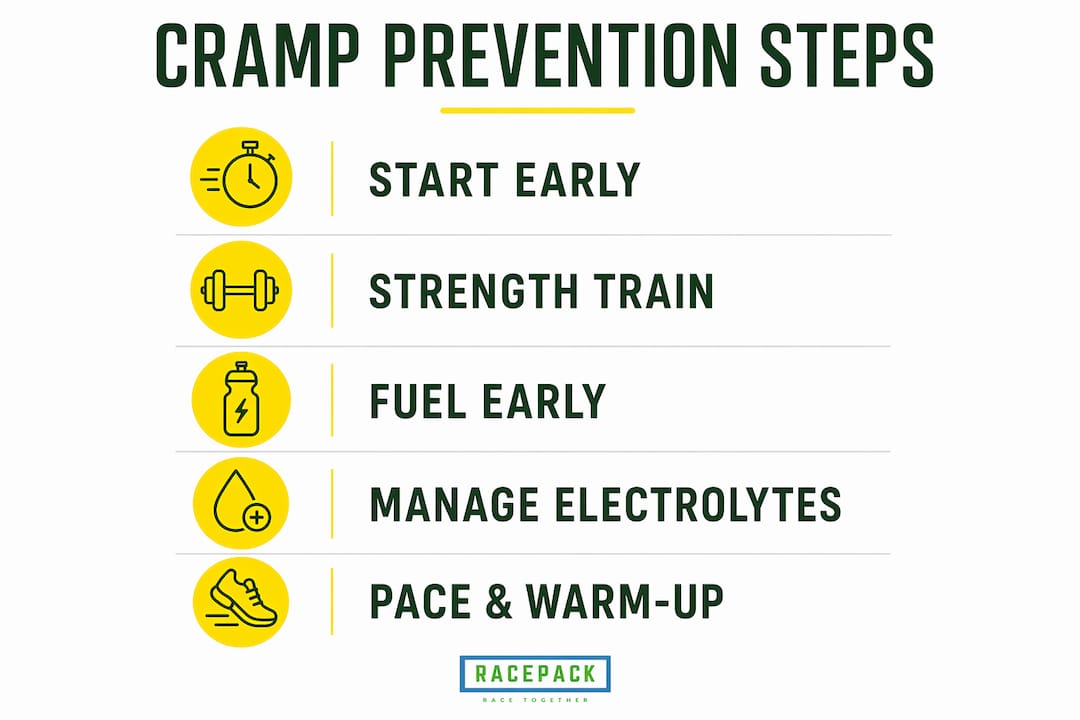
Exercise-associated muscle cramping (EAMC) is the leading cause of involuntary race abandonment among marathon runners. To prevent cramps during a marathon, you need four things working together: targeted strength training, early fueling, precise electrolyte management, and controlled pacing. This guide covers each strategy with specific protocols drawn from current endurance research. Whether you are running your first marathon or chasing a personal best, these marathon cramp prevention tips will help you cross the finish line strong.
How does strength training prevent cramps during a marathon?
Eccentric strength training is the single most effective pre-race intervention for reducing marathon cramps. Eccentric loading improves muscle economy and builds resistance to the repetitive damage that triggers cramping late in a race. Runners who commit to this protocol give their legs a structural advantage before race day even arrives.
Research shows that twice-weekly eccentric training for 8–12 weeks before a marathon reduces cramping risk by 50%. That number reflects a real, measurable shift in how muscles handle sustained load over 26.2 miles. The benefit goes beyond cramp prevention: strength training boosts muscle economy, lowers injury risk, and reduces cramping incidence, giving marathoners a triple return on one training investment.
Exercises to include in your program
Focus your strength sessions on the muscles that do the most work during a marathon:
- Slow eccentric squats: Lower for 4–5 seconds, focusing on quad and glute engagement
- Single-leg Romanian deadlifts: Build hamstring resilience and hip stability
- Calf raises with slow lowering phase: Target the soleus and gastrocnemius, the muscles most prone to late-race cramping
- Step-downs: Strengthen the VMO (vastus medialis oblique) for knee and quad endurance
- Nordic hamstring curls: High eccentric demand, directly linked to reduced muscle damage
Perform two sessions per week, separated by at least 48 hours. Start the program 10–12 weeks before your target race. Reduce volume in the final two weeks to allow full recovery before race day.
Pro Tip: Add a single-leg calf raise burnout at the end of each session. Three sets to failure builds the specific endurance your calves need for miles 20–26.
What is the best fueling strategy to reduce marathon cramps?
Fueling strategy is the most common area where runners make preventable mistakes. Most runners start fueling too late, waiting until mile 8 or 10 when glycogen is already depleted. By that point, the gut is under stress, absorption slows, and cramping risk climbs sharply.
The correct approach is to begin fueling at mile 3 or 4, before you feel the need. Consuming 60–90g of carbohydrates per hour, starting early, keeps muscle glycogen topped up and delays the fatigue that leads to cramping. Gut absorption is most efficient in the early miles when blood flow to the digestive system is still adequate.
Practice this protocol in training. Your gut adapts to processing carbohydrates while running, and runners who fuel consistently during training runs experience far less GI distress on race day. Skipping fueling practice is one of the most reliable ways to guarantee a bad race.
A practical race-day fueling plan
- Miles 1–3: Sip water at aid stations. No fuel yet, but stay relaxed and on pace.
- Mile 3–4: Take your first gel or chew. Aim for 30–45g of carbohydrates.
- Miles 4–8: Continue fueling every 30–40 minutes. Alternate between gels and chews if preferred.
- Miles 8–18: Maintain 60–90g of carbohydrates per hour. Do not skip a fueling window.
- Miles 18–26: Prioritize carbohydrate intake even if appetite drops. This is when glycogen depletion and cramping risk peak.
The Maurten Full Marathon Starter Kit is built around this exact protocol, providing the carbohydrate volumes needed for a full race without the GI distress that synthetic gels often cause. Maurten’s hydrogel technology delivers carbohydrates efficiently, making it a reliable choice for runners who have struggled with stomach issues in past races.
How does hydration and electrolyte management help you avoid cramps?
Sodium depletion is the primary driver of neuromuscular cramps after mile 13. Sodium deficit affects nerve excitability, causing the motor neurons controlling muscle fibers to fire uncontrollably. Stretching does not fix this. Electrolyte replacement does.
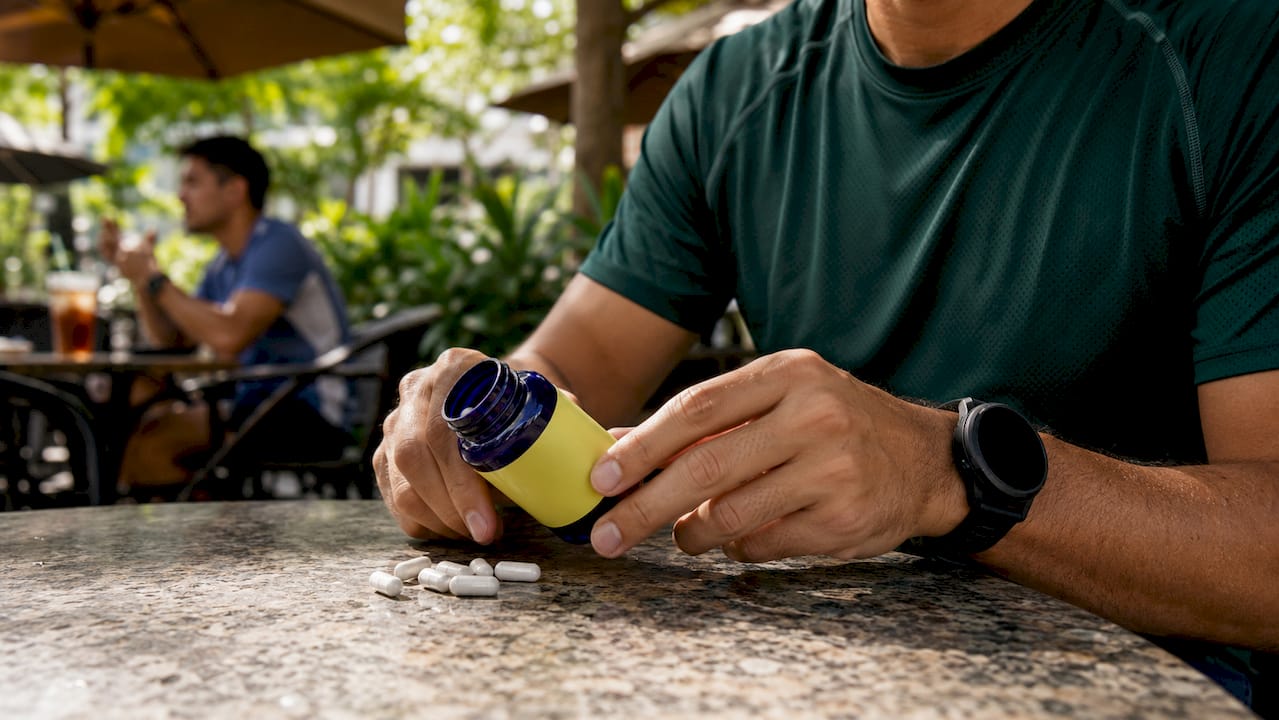
High-sweat-rate runners lose 500–1,500mg of sodium per hour during a marathon. That range is wide because sweat rate and sodium concentration vary significantly between runners. Runners in hot, humid conditions like Singapore’s climate sit at the higher end of that range. Taking electrolytes every 3–5 miles is the standard protocol, adjusted for temperature and individual sweat rate.
Hydration itself also matters. Staying within 2% of body mass in fluid loss is the performance threshold. Dehydration beyond that point impairs muscle function and race pace, even if its direct role in cramping is debated. Hydration is a no-downside strategy: it supports performance regardless of whether it directly prevents cramps.
Overhydration is a real risk too. Drinking too much plain water dilutes blood sodium and causes hyponatremia, a condition more dangerous than mild dehydration. Drink to thirst, not to a fixed schedule, and pair every fluid intake with electrolytes.
Electrolyte format comparison
| Format | Pros | Cons |
|---|---|---|
| Chewable electrolyte tabs | Easy to carry, precise dosing | Require chewing mid-run |
| Electrolyte powders | Mix with water, flexible dosing | Depend on aid station cups |
| Gels with electrolytes | Combines carbs and sodium | Lower sodium per serving |
| Capsule tabs (e.g., SaltStick) | High sodium dose, easy to swallow | No carbohydrate contribution |
SaltStick Electrolyte Caps deliver buffered electrolyte salts in a capsule format, making them one of the most practical options for runners who need consistent sodium intake without relying on aid station gels. Carry them in a small pocket or race belt for on-demand access throughout the race.
Pro Tip: Aid station shortages in the final 6 miles are common at large races. Pre-plan your personal carry protocol so you are never dependent on race-day supply when cramping risk is highest.
For a deeper look at sodium timing and amounts, the RacepackSingapore sodium guide covers the full picture for marathon runners.
What pacing and warm-up tactics minimize cramping risk?
Starting too fast is the most common cause of early muscle fatigue, and early fatigue accelerates the muscle damage that leads to cramping. An even-split or negative-split pacing strategy protects your muscles from the kind of stress that compounds over 26 miles. Running the first half 5–10 seconds per mile slower than goal pace is not conservative. It is calculated.
A proper warm-up increases blood flow to working muscles and raises core temperature before the gun fires. Cold, stiff muscles are more vulnerable to cramping in the early miles. Spend 10–15 minutes on dynamic movements before the race start.
Pacing pitfalls to avoid
- Going out with the crowd: Race-day adrenaline pushes most runners 15–20 seconds per mile faster than planned in miles 1–3. Wear a GPS watch and trust your data, not your feelings.
- Skipping the warm-up: Standing in a corral for 30 minutes without movement undoes any pre-race preparation. Do light leg swings and hip circles while waiting.
- Ignoring early warning signs: A twitch or tightness in the calf at mile 10 is a signal, not a coincidence. Slow down, take electrolytes, and adjust before it becomes a full cramp.
- Running through hills too hard: Steep uphills spike eccentric muscle demand. Shorten your stride and reduce effort on climbs to protect your quads for the back half.
- Neglecting stretching exercises for runners: Dynamic stretching before the race and light static stretching after each long training run builds the flexibility that reduces cramping susceptibility over time.
Key Takeaways
Preventing marathon cramps requires combining eccentric strength training, early carbohydrate fueling, consistent sodium replacement, and disciplined pacing into one integrated race plan.
| Point | Details |
|---|---|
| Start strength training early | Eccentric loading twice weekly for 8–12 weeks cuts cramping risk by 50%. |
| Fuel at mile 3–4, not mile 8 | Early carbohydrate intake keeps glycogen available and prevents fatigue-driven cramps. |
| Replace sodium every 3–5 miles | High-sweat runners lose up to 1,500mg of sodium per hour; consistent replacement prevents neuromuscular cramps. |
| Carry your own electrolytes | Aid stations in the final 6 miles often run short; a personal carry protocol removes that risk. |
| Pace conservatively from the start | An even-split or negative-split strategy protects muscles from the early damage that triggers late-race cramping. |
What I have learned from years of watching runners cramp at mile 20
The runners who cramp at mile 20 almost always made the same three mistakes: they skipped strength training, they started fueling too late, and they trusted aid stations for electrolytes in the final miles. I have seen this pattern repeat across hundreds of race reports and training logs. The frustrating part is that every one of those cramps was preventable.
The biggest mindset shift I would encourage is treating cramp prevention as a training goal, not a race-day fix. You cannot take a gel at mile 18 and undo 16 weeks of inadequate preparation. The strength work, the fueling practice, the electrolyte carry protocol: all of it needs to be rehearsed in training so it runs on autopilot when you are tired and your decision-making is compromised.
One thing most guides miss is the importance of trialing your full race-day nutrition stack during your longest training runs. If you are going to carry SaltStick Electrolyte Caps and Maurten gels on race day, you need to know how your body responds to that combination at mile 18 of a training run, not mile 18 of the actual race. Test everything. Change nothing on race day.
The electrolyte balance guide from RacepackSingapore is one of the most practical resources I have seen for runners who want to build a specific, mile-by-mile sodium plan. Use it as a starting point and adjust based on your own sweat rate and race conditions.
— Jason John
RacepackSingapore’s top picks for race-day cramp prevention
Carrying the right products on race day removes the guesswork from your cramp prevention plan.
SaltStick Electrolyte Caps deliver buffered sodium, potassium, magnesium, and calcium in a single capsule, matching the electrolyte profile your body loses through sweat. For acute cramp relief mid-race, the CrampFix Shot is a 20ml sachet designed to interrupt the neuromuscular signal driving the cramp within seconds. Pair both with the Maurten Full Marathon Starter Kit for a complete carbohydrate and electrolyte strategy built for the full 42.2km. RacepackSingapore ships all products with next-day delivery across Singapore, so your race-day kit arrives ready when you need it. Buy now and build your cramp-free race plan today.
FAQ
What causes muscle cramps during a marathon?
Marathon cramps are caused by a combination of muscle fatigue, sodium depletion, and neuromuscular overload. Cramps after mile 13 are most commonly linked to sodium deficit affecting nerve excitability rather than simple dehydration.
When should I start taking electrolytes during a race?
Take electrolytes every 3–5 miles, starting from the early miles of the race. High-sweat-rate runners in warm conditions should lean toward the more frequent end of that range.
How many carbohydrates do I need per hour to avoid cramps?
Consume 60–90g of carbohydrates per hour, beginning at mile 3 or 4. Starting early keeps gut absorption efficient and prevents the glycogen depletion that leads to fatigue-driven cramping.
Does stretching prevent marathon cramps?
Dynamic stretching before a race improves blood flow and muscle readiness, which reduces early cramping risk. Stretching alone cannot fix a sodium-driven neuromuscular cramp mid-race; electrolyte replacement is required for that.
How far in advance should I start strength training for cramp prevention?
Begin an eccentric strength training program 10–12 weeks before your target marathon. Two sessions per week over that period produces the muscle resilience needed to reduce cramping risk by race day.
Can I rely on aid stations for electrolytes during the race?
Aid stations in the final 6 miles frequently run short of electrolyte supplies. Carrying your own electrolyte capsules or tabs in a race belt removes that dependency when cramping risk is highest.
What is the fastest way to stop a cramp during a race?
Take an electrolyte supplement immediately and slow your pace. Products like the CrampFix Shot are designed to interrupt the neuromuscular signal driving the cramp within seconds, making them a practical mid-race option.
Does hydration directly prevent marathon cramps?
The direct link between dehydration and cramping is debated in the research. Staying within 2% of body mass in fluid loss is the performance threshold, and hydration supports overall muscle function regardless of its specific role in cramp prevention.
What foods or products help with nutrition for marathon runners?
Energy gels, hydration drinks, and electrolyte capsules are the primary formats used by marathon runners. Maurten gels, SaltStick Electrolyte Caps, and carbohydrate-rich drinks from brands like SIS and GU are widely used by endurance athletes for race-day fueling.
How do I know if I am a high-sweat-rate runner?
Signs include visible salt residue on your skin or clothing after long runs, frequent cramping in warm conditions, and feeling thirsty earlier than training partners. If you match these signs, target the higher end of the sodium replacement range (closer to 1,500mg per hour) during hot-weather races.