

Anti-Chafing Solutions for Marathon Runners: 2026 Guide
TL;DR:
- Chafing affects 92% of marathon runners, often causing bleeding and skin damage during races. Effective prevention combines product choice, timely reapplication, and moisture-wicking apparel tested during training. Mechanical barriers like nipple guards and proper zone-specific strategies provide additional protection for high-friction areas.
Chafing is defined as skin damage caused by repetitive friction between skin surfaces or fabric during sustained physical activity. 92% of marathon runners experience chafing mid-race, with 67% reporting bleeding and one-third suffering nipple chafing. Those numbers make chafing prevention one of the most critical elements of marathon preparation, not an afterthought. The best anti-chafing solutions for marathon runners combine the right products, strategic application timing, and smart apparel choices to keep friction from ending your race before the finish line.
1. Best anti-chafing solutions for marathon runners: balm and stick options
The three main product categories for chafing prevention are plant-based sticks, wax-based salves, and silicone-based lubricants. Each works differently, and knowing which to reach for depends on your distance, weather, and skin sensitivity.
Plant-based sticks use natural oils and butters such as shea, coconut, or beeswax to create a light lubricating layer. They glide on easily, feel clean on skin, and work well for runs under 15 miles in dry conditions. Shea nut oil is a popular base ingredient in these formulas because it absorbs quickly without leaving a greasy residue.
Wax-based salves deliver a thicker, longer-lasting barrier. Wax-based formulas maintain friction reduction for over 4 hours, making them the go-to choice for full marathon and ultramarathon distances. They hold up better through sweat and are less likely to wash off in rain.
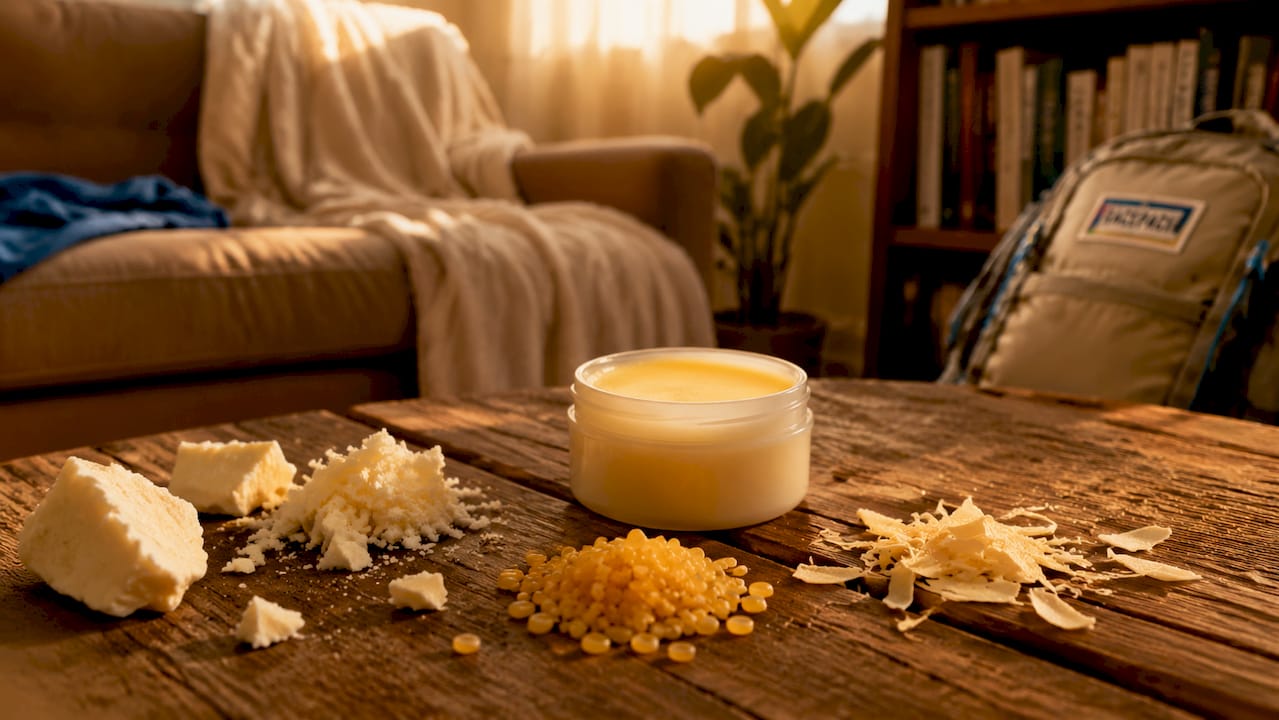
Silicone-based lubricants form a waterproof film on the skin surface. Dimethicone, a common silicone compound, forms lasting protective barriers that resist moisture and heat. These products are ideal for humid climates or rainy race conditions where water-soluble options break down quickly.
Key features to compare when selecting a product:
- Sweat resistance: Wax and silicone formulas outperform plant-based options in high-humidity conditions.
- Application ease: Stick formats apply precisely to targeted zones. Balm tubs require fingers and are harder to use mid-run.
- Skin feel: Silicone products can feel slick; plant-based options feel more natural on sensitive skin.
- Portability: Pocket-sized sticks or travel tubes allow mid-race reapplication without stopping.
Pro Tip: Apply a generous, visible layer to high-friction zones, not just a light swipe. Thighs, underarms, nipples, and bra lines need full coverage to stay protected past mile 10.
2. How to apply and reapply anti-chafing products on race day
Timing your application correctly is as important as choosing the right product. Applying lubricant to clean, dry skin before dressing is critical. Applying after sweating traps moisture under the product and worsens irritation instead of preventing it.
Follow this sequence for race day and long training runs:
- Shower and fully dry your skin before applying any product. Pay attention to skin folds and between toes.
- Apply lubricant to all friction zones before putting on your running gear. Common zones include inner thighs, underarms, nipples, bra lines, and the back of the heel.
- Dress over the product. Do not apply after you are already in your kit.
- Plan your first reapplication at miles 8–10. Runners should reapply every 8–10 miles under normal conditions, or every 6–8 miles in humidity or rain.
- Reapply again at miles 18–20. This is the window where most marathon runners hit the wall physically, and skin protection is often at its lowest.
- Carry a portable product. A small stick or travel-size balm tucked into a race belt or shorts pocket makes mid-run reapplication practical.
Reapplication should happen before any rubbing sensation begins. Waiting until you feel pain means skin damage has already started. That is a critical distinction most runners learn the hard way.
Pro Tip: Mark your reapplication miles on your race plan the same way you mark your nutrition checkpoints. Treat skin protection as part of your fueling strategy, not a separate concern.
3. Choosing marathon running apparel to reduce chafing risk
Fabric choice is the first line of defense against chafing. Cotton absorbs sweat and stays wet against your skin, creating the exact friction-moisture-heat triangle that causes skin breakdown. Eliminating cotton fabrics and wearing synthetic moisture-wicking apparel with flat-lock seams is the standard recommendation across endurance running guides.
What to look for in chafe-resistant marathon gear:
- Synthetic fabrics: Polyester and nylon blends wick moisture away from skin and dry quickly. Merino wool is a natural alternative that manages moisture well and resists odor.
- Flat-lock seams: Standard raised seams act like sandpaper on skin over 26.2 miles. Flat-lock construction stitches seams flat so they do not press into skin.
- Compression fit: Compression shorts and tights reduce skin-on-skin contact at the inner thighs. Compression gear reduces skin friction but must fit perfectly. Gear that is too loose shifts with every stride and creates new friction points.
- Moisture-wicking socks: Wet feet inside shoes cause blisters and heel chafing. Technical running socks with durable moisture-wicking construction extend the life of your skin protection.
- Test everything in training: New apparel should never be worn untested on race day. Seam placement and fabric movement can drastically increase friction on a body that has been running for three hours.
Wet gear shifts more than dry gear. A shirt that fits perfectly at mile 1 may ride up and rub raw by mile 20 if it is soaked through. Factor that into your gear testing during long training runs in rain or high humidity.
4. Targeted aids for high-friction and sensitive zones
Standard lubricants are not always enough for the most vulnerable areas. Specialized solutions like nipple guards and kinesiology tape complement lubricants on sensitive high-friction zones. Combining mechanical barriers with lubricants creates the most complete chafing defense available.
Zone-specific strategies that work:
- Nipple protection for men: Adhesive nipple guards are the most reliable solution for male runners. They create a physical barrier that no amount of sweat can wash away. Kinesiology tape cut into small rounds works as a lower-cost alternative.
- Bra line and strap protection for women: Compression sports bras with wide, padded straps reduce the sawing motion that causes bra-line chafing. Apply lubricant under the band and at strap contact points before every long run.
- Hydration pack and race belt contact points: The straps of hydration vests and race belts create consistent pressure on the same skin areas for hours. Apply moleskin padding or kinesiology tape under strap contact zones before the run.
- Foot and blister prevention: Foot-specific balms applied between toes and on heel contact points reduce blister formation. Double-layer socks add a second line of defense by allowing friction to occur between sock layers rather than against skin.
“No single anti-chafing product suits all zones. Runners benefit from combining lubricants, salves, and mechanical barriers tailored to zone and conditions.” — Marathon chafing prevention research
The most effective approach treats each friction zone as its own problem. Your inner thighs need a different solution than your nipples, and your feet need a different solution than your underarms. Build a zone-by-zone kit and test it across multiple long runs before race day.
Key Takeaways
Effective chafing prevention for marathon runners requires combining the right product type, proactive reapplication at set mile markers, and tested apparel with moisture-wicking fabrics and flat-lock seams.
| Point | Details |
|---|---|
| Choose product by conditions | Use wax-based salves for long distances; silicone formulas for humid or wet weather. |
| Apply to clean, dry skin | Always apply lubricant before dressing, never after sweating has started. |
| Reapply at set mile markers | Reapply every 8–10 miles in normal conditions, every 6–8 miles in rain or humidity. |
| Use zone-specific barriers | Combine lubricants with nipple guards, kinesiology tape, or moleskin for high-friction areas. |
| Test all gear in training | Never wear untested apparel or products on race day. |
What I have learned about chafing prevention after years on the course
Most runners treat chafing as a minor inconvenience until it stops a race. I have seen experienced marathoners drop at mile 22 not because their legs gave out, but because raw, bleeding skin made every stride unbearable. That experience changed how I approach skin protection entirely.
The biggest mistake I see is treating anti-chafing as a one-product solution. Runners grab a stick of balm, swipe it on their thighs, and call it done. But your bra line, your nipples, your feet, and your underarms all have different friction profiles. A single product applied once is not a strategy. It is wishful thinking.
What actually works is building a zone-by-zone protocol and testing it across at least three long training runs in different weather conditions. I learned this after a rainy half marathon where my plant-based stick washed off by mile 8. I switched to a wax-based salve for wet conditions and have not had that problem since. The product was not wrong. My application was wrong for the conditions.
The mental side matters too. When you know your skin is protected, you run differently. You stop bracing for the sting. You stop shortening your stride to avoid rubbing. That physical freedom adds up over 26.2 miles in ways that show up in your finish time. Chafing prevention is not just comfort management. It is performance management.
My final caution: do not change your product or your apparel the week before a race. I have watched runners try a new lubricant on race morning because they read a recommendation online. New products on untested skin, under race-day stress, in unfamiliar weather, is a recipe for a miserable finish. Lock in your protocol during training and stick to it.
— Jason John
Fuel your run from start to finish with RacepackSingapore
Protecting your skin is one half of race-day readiness. Fueling your body is the other. RacepackSingapore carries a full range of endurance nutrition products designed for marathon runners who take both performance and comfort seriously.
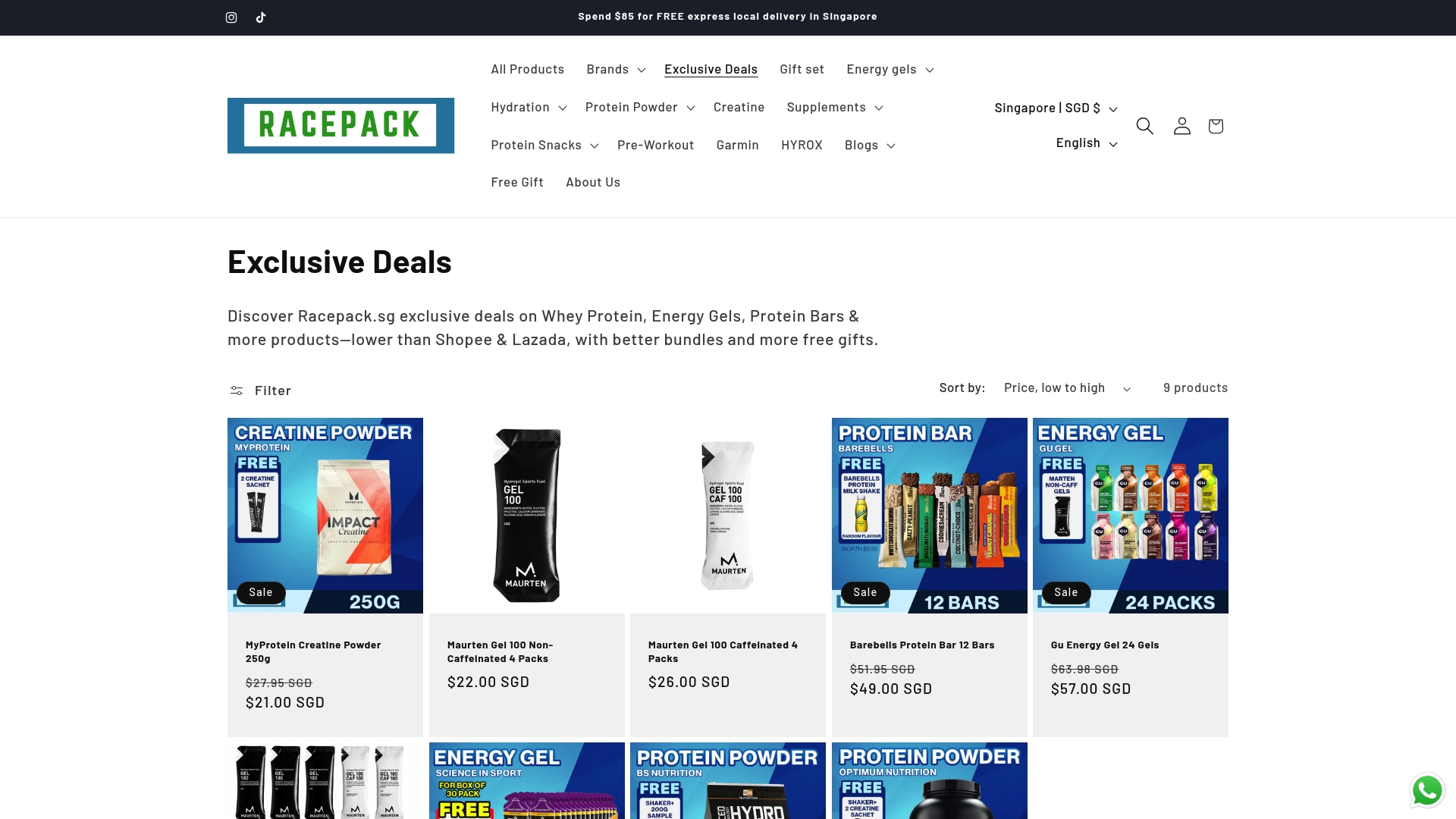
GU Energy Gel delivers clean, sustained energy across the full marathon distance, with a 24-pack that covers your entire training block. Pair your anti-chafing routine with a solid energy gel strategy and electrolyte replenishment to keep your body and skin performing at their best. RacepackSingapore offers next-day delivery across Singapore and guaranteed product authenticity on every order.
Buy Now at RacepackSingapore
FAQ
How common is chafing among marathon runners?
92% of marathon runners experience chafing mid-race, with 67% reporting bleeding. Nipple chafing affects roughly one-third of all marathon participants.
What is the best type of anti-chafing product for a full marathon?
Wax-based salves are the most reliable choice for full marathon distances because they maintain friction reduction for over 4 hours and resist sweat and rain better than plant-based alternatives.
When should I reapply anti-chafing lubricant during a race?
Reapply every 8–10 miles in normal conditions and every 6–8 miles in humid or wet weather. Plan reapplication points around miles 8–10 and miles 18–20 for a standard marathon.
Can I apply anti-chafing balm over sweaty skin?
No. Applying lubricant to sweaty skin traps moisture and worsens irritation. Always apply to clean, dry skin before dressing for your run.
What apparel changes reduce chafing the most?
Switching from cotton to synthetic moisture-wicking fabrics and choosing garments with flat-lock seams are the two most effective apparel changes for chafing prevention in long-distance running.
Do nipple guards work better than lubricant for men?
Yes. Adhesive nipple guards create a physical barrier that sweat cannot wash away, making them more reliable than lubricant alone for distances over 13 miles.
How do I treat chafed skin after a race?
Gently cleanse the affected area, pat it dry, and apply an occlusive layer such as petrolatum to speed repair. Avoid rubbing injured skin, as this extends healing time.
Should I test anti-chafing products before race day?
Always test products across multiple long training runs in different weather conditions. Never introduce a new product or apparel item on race day.
What role does electrolyte balance play in chafing?
Heavy sweating increases salt concentration on skin, which raises friction and irritation. Maintaining sodium balance during a marathon supports both hydration and skin integrity throughout the race.
Where can I find marathon running nutrition products in Singapore?
RacepackSingapore stocks energy gels, hydration drinks, and electrolyte supplements from brands including GU, HIGH5, and Maurten, with next-day delivery across Singapore. Visit racepack.sg to browse the full range.