

Eat a familiar, low-fat, carbohydrate-rich dinner a few hours before bed, keep the portion moderate, sip fluids steadily, and save the experiments for another day. The night before is about topping up and staying comfortable, not about one giant meal. With a very early start, the timing of that dinner matters as much as the menu, and we have built this plan around Singapore’s heat, humidity and pre-dawn flag-off.
TL;DR
- Choose plain carbs you already tolerate: rice, noodles, pasta, potatoes or bread, with a small portion of lean protein.
- Finish dinner early, around 6 to 7 p.m. for the 4:30 a.m. start of the 2026 edition, and keep it moderate in size.
- Cut fat, fibre, spice and alcohol. Nothing new on the plate, in the bottle or in the gel pack.
- Drink steadily through the day and check your urine colour, but do not force litres of water.
- Prepare race-morning food and gels tonight so the 3 a.m. wake-up is simple.
Table of Contents
- Why the night before is a top-up, not a carb surge
- When to eat dinner for a 4:30 a.m. start
- What to put on your plate
- What to avoid tonight
- Hydration the evening before
- If you are hungry before bed
- Prepare race-morning food tonight
- Common night-before mistakes
- Our perspective
- Get your race fuel sorted
- FAQ
- Sources
Why the night before is a top-up, not a carb surge
Your muscles store carbohydrate as glycogen, and that store is built over several days, not at one dinner. RunnersConnect describes the night-before meal as maintenance, since glycogen was filled in the three to five days before the race. HealthXchange, Singapore’s public health resource, advises carbohydrate-loading from at least three days out with rice, pasta, lean meat, starchy vegetables and fruit, and warns that overeating the day before can cause bloating or nausea.
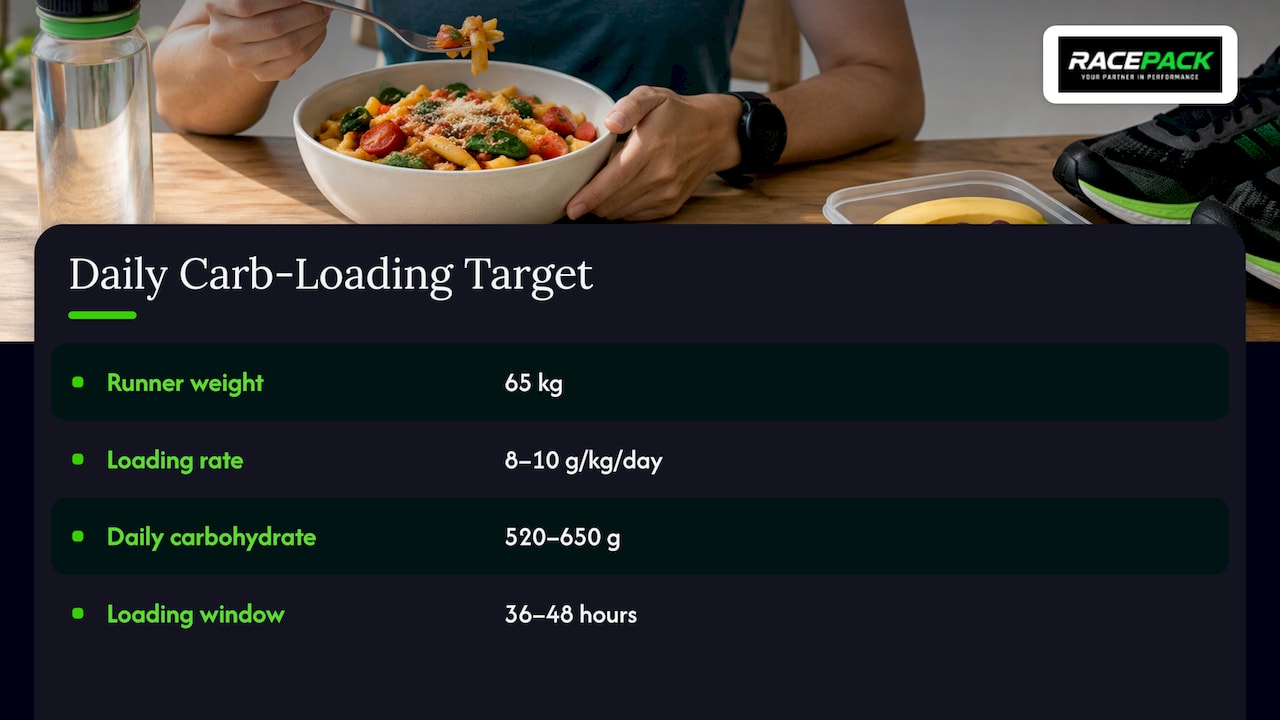
The Gatorade Sports Science Institute toolkit makes the same point: a common mistake is over-consuming carbohydrate at the pre-marathon dinner, which raises the risk of stomach distress. It suggests 8 to 10 g of carbohydrate per kg of body mass per day across the 36 to 48 hours of loading, favouring simple carbs and trimming fat and fibre.
A quick worked example: a 65 kg runner would aim for roughly 520 to 650 g of carbohydrate across the whole day, spread over breakfast, lunch, snacks and dinner. That is why dinner itself does not need to be enormous. If the earlier meals did their job, tonight’s plate is a normal, comfortable portion.
If you want the full multi-day approach, our guide on the benefits of carb loading for a marathon walks through it.
When to eat dinner for a 4:30 a.m. start
The Mavr Singapore Marathon 2026 fueling guide recommends a normal carbohydrate-rich dinner by about 7 p.m. and notes the 2026 marathon starts at 4:30 a.m. Sports dietitian Natalie Robertello likewise suggests the earlier side, ideally by 6 to 7 p.m., with moderate portions. Start times can change between editions, so confirm the current flag-off for your category on the official race page.
There is also a sleep reason to eat early. HealthHub notes that heavy, high-fat meals in the evening can cause indigestion and heartburn that disrupt sleep, and recommends finishing meals at least three hours before bed. With a likely lights-out around 8 p.m. and an alarm in the small hours, a 6 p.m. dinner fits both rules.
Here is a simple timeline for an early start:
| Time | What to do |
|---|---|
| Afternoon | Normal carb-rich meals and snacks, steady sips of fluid |
| 5:30 to 6:30 p.m. | Familiar, moderate carb-focused dinner |
| 7:00 p.m. | Lay out kit, gels, bib and race-morning breakfast |
| 7:30 to 8:00 p.m. | Small light snack only if you are truly hungry, then lights out |
| Wake-up | Practised light breakfast, small sips of fluid |
What to put on your plate
Build the plate around plain, easy-to-digest carbohydrates, add a modest portion of lean protein, and keep the rest simple.
- Carbs (the main part): white rice, noodles, pasta, potatoes, bread. RUN Singapore lists rice, pasta, potatoes, porridge, oats, pancakes, muffins, honey and jam as practical carbohydrate sources in the final days.
- Protein (a small portion): steamed or grilled chicken, fish or egg. Keep it lean.
- Fat (minimal): a light drizzle at most. Skip heavy sauces and rich gravy.
- Vegetables and fruit: small portions of well-cooked, low-fibre choices. A banana is an easy add.
Singapore gives you plenty of familiar options. Plain chicken rice with the skin removed, steamed fish with rice, a simple noodle soup with a clear broth, or plain pasta with a light tomato sauce all fit. Order the sauce on the side, go easy on chilli, and keep the portion to what you would eat on a normal training evening.
A sample dinner
One plate that works for many runners: a generous serving of white rice, a palm-sized portion of steamed chicken or fish, a small side of cooked carrots or pumpkin, and a banana or a few slices of papaya for dessert. It is dull on purpose. Dull is what you want at 4:30 a.m. on the start line.
What to avoid tonight
HealthXchange advises avoiding deep-fried and high-saturated-fat foods, including processed meats such as bacon and sausages. It also says runners with a history of gastrointestinal problems and dairy intolerance should avoid dairy on race day. Cleveland Clinic recommends limiting high-fibre, high-fat and spicy foods before a marathon and notes that dairy can cause cramping for some runners.
- Fried and greasy food: satay with heavy peanut sauce, fried chicken, rich curries, laksa with a coconut-rich gravy.
- High-fibre loads: big salads, raw vegetables, beans, wholegrain everything. RUN Singapore’s guidance prioritises gut comfort by lowering fibre in the last days, even if that means choosing less conventionally “healthy” foods for a short time.
- Spice: save the sambal for after the finish line.
- Alcohol: Cleveland Clinic advises against it before a marathon because it can dehydrate you and disrupt sleep and muscle recovery.
- Anything new: RUN Singapore advises using only familiar foods and products during race week and on race day. That includes a new gel, a new electrolyte mix or a restaurant you have never tried.
Hydration the evening before
Arrive at the start hydrated, not waterlogged. RUN Singapore recommends hydrating steadily during race week, watching urine colour and avoiding overhydration. In Singapore’s humidity, drinking far beyond what you sweat can backfire: the Mavr guide warns it can leave you finishing heavier than you started, with lower blood sodium.
For race morning, HealthXchange suggests 500 to 700 mL about three hours before the race and 300 to 600 mL 15 minutes before. With a 4:30 a.m. start, this means you will be sipping in the dark, so set out your bottle tonight. The Mavr guide also cites the American College of Sports Medicine figure of 5 to 7 mL per kg several hours before exercise, which it works out at roughly 350 to 500 mL for a 70 kg runner.
Practical evening habits:
- Carry a bottle through the day and sip, rather than chugging a litre at once.
- Use a drink with electrolytes if that is what you train with. Our running hydration guide for Singapore covers what to drink and how much.
- Stop drinking large volumes about an hour before bed so you are not up all night.
- Check your urine: pale straw is the target.
If you are hungry before bed
A small snack is fine. HealthHub says a light bedtime snack, such as a glass of milk, biscuits, a small piece of dark chocolate or fruit, can help sleep if hunger would otherwise get in the way, and warm milk may help you relax because dairy contains tryptophan. National University Hospital’s sleep-hygiene guidance agrees that an empty stomach can be distracting while a heavy meal close to bedtime can interrupt sleep.
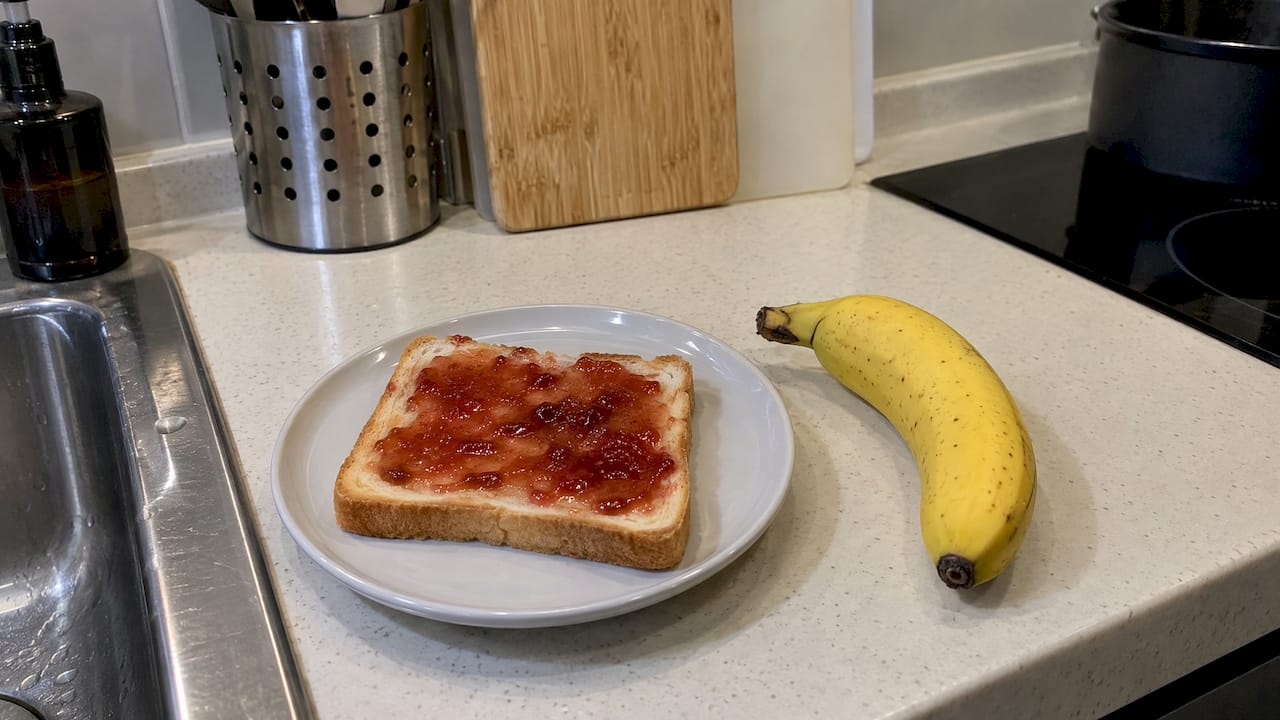
For marathon night, pick something low in fat and fibre that you know sits well: a banana, a slice of white toast with jam, or a few plain biscuits. If dairy upsets your stomach on race days, skip the milk, as HealthXchange advises for runners with dairy intolerance.
Prepare race-morning food tonight
The night before is the best time to remove decisions from tomorrow. The Mavr guide recommends a practised small early-morning meal of white bread or rice with jam or kaya and a banana for the 4:30 a.m. start. Whatever you choose, it should be something you have already eaten before long runs.
Lay out the following before bed:
- Breakfast food and a bottle of your usual drink
- Gels or chews, counted and packed in your belt or pockets
- Electrolyte tabs or powder if you use them
- A spare gel in case one drops or you need an extra
On the course, the plan is the same as the dinner: nothing new. Our BYD Singapore Marathon fueling guide and the full marathon fueling guide for Singapore runners lay out how to space gels and fluids once the gun goes. If your stomach has struggled with gels in the past, our gut training tips for marathon runners show how to build tolerance in training, ahead of next season.
And because the race is hot even before sunrise, read our practical piece on running in Singapore heat for pacing and cooling.
Common night-before mistakes
- The giant pasta party. A huge plate feels like preparation but invites bloating and a restless night. Moderate is the goal.
- Dining late. A 9 p.m. dinner leaves little time to digest before a very early alarm.
- Trying a new restaurant. Unknown oil, spice and portion size are all variables you do not need.
- Skipping real food because of nerves. If you are anxious, eat small and familiar, then add a light snack later.
- Over-drinking water. More is not better. Sip, check colour, and carry on.
- Changing gels at the last minute. Race day is not for testing.
Our perspective
We see the night before as the final tidy-up of a plan you built weeks ago. The runners who feel best at the start line are the ones who have rehearsed their dinner, their breakfast and their gels in training, then repeat all of it without surprises.
That is why we focus on familiar, trusted products rather than novelty. Gels, hydration mixes and recovery powders from established sports nutrition brands work best when you have already used them on long runs, and we stock them so you can practise early and arrive on race week with everything in hand, with guaranteed authenticity and next-day delivery within Singapore.
Keep the dinner simple, keep the fuel familiar, and trust your training. You have done the work.
Jason John
Get your race fuel sorted
If you are still putting together your race-day kit, we stock energy gels, hydration drinks, recovery powders and more for runners in Singapore, delivered next day within Singapore. Our SiS Half Marathon Endurance Fuel Bundle and GU Half Marathon Endurance Fuel Bundle are a convenient place to start when you want assorted flavours to practise with, and you can browse everything on racepack.sg.
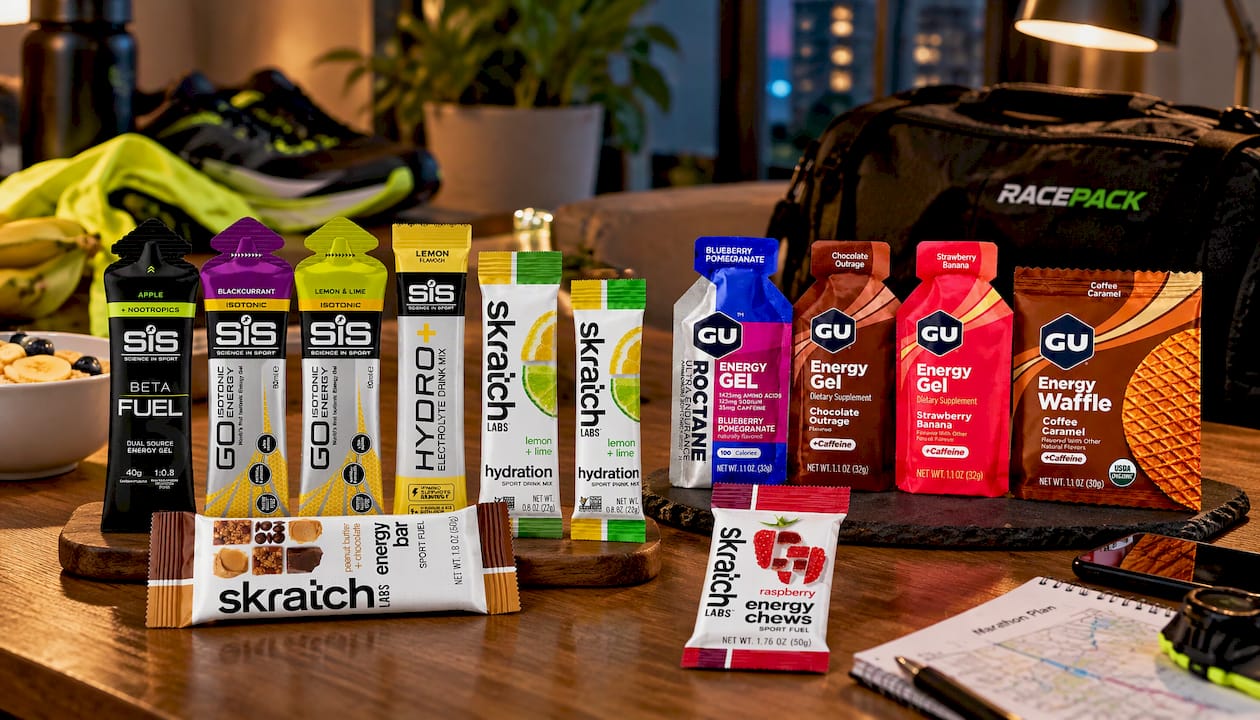
After the finish line, our recovery powders and protein powders make the first meal back easier, and a Garmin smart watch helps you track pacing in training.
FAQ
What should I eat the night before the BYD Singapore Marathon?
Eat a familiar, low-fat, carbohydrate-rich dinner such as rice, noodles, pasta or potatoes with a small portion of lean protein. Keep the portion moderate. HealthXchange cautions that heavy eating the day before can cause bloating or nausea.
What time should I have dinner for a 4:30 a.m. start?
Aim to finish around 6 to 7 p.m. The Mavr guide suggests a normal carb-rich dinner by about 7 p.m. for the 2026 start, and HealthHub recommends eating at least three hours before bed. Check the official race page for the current start time of your category.
Is one big dinner enough to carb-load?
No. Carbohydrate-loading begins at least three days before, and the night-before meal simply maintains those stores. A single oversized dinner raises the risk of stomach problems, according to the Gatorade Sports Science Institute toolkit.
How much should I drink the evening before?
Sip steadily through the day and check that your urine is pale. Do not force large volumes, because overdrinking in humid conditions can lower blood sodium. On race morning, HealthXchange suggests 500 to 700 mL about three hours before and 300 to 600 mL about 15 minutes before the start.
What foods should I avoid the night before a marathon?
Avoid deep-fried and high-saturated-fat foods, heavy sauces, spicy dishes, high-fibre loads and alcohol. Cleveland Clinic also notes that dairy may cause cramping for some runners. Do not try anything unfamiliar.
Can I eat a snack before bed?
Yes, if you are hungry. HealthHub lists a glass of milk, biscuits, a small piece of dark chocolate or fruit as light options. Choose something low in fat and fibre that you already know sits well.
Should I eat pasta the night before?
Pasta is a good choice if you eat it regularly before long runs. Keep the sauce light, such as a simple tomato base, and avoid cream, cheese-heavy or oily sauces. White rice, noodles or potatoes work equally well.
What should I eat for breakfast on race morning?
Choose a small, practised meal. The Mavr guide suggests white bread or rice with jam or kaya and a banana for the 4:30 a.m. start. Prepare it tonight so the early wake-up stays simple.
Should I use gels or electrolytes tonight?
Only if they are part of your normal routine. Use the night before to pack and organise your race gels and electrolyte drinks, and stick to the products you have already trained with.
Sources
- What to Eat Before, During and After a Race - HealthXchange
- Can’t Sleep at Night? Eat Right to Sleep Tight - HealthHub
- Sleep hygiene guidance - National University Hospital
- What To Eat Before a Marathon - Cleveland Clinic
- Fuel Smart, Run Strong - RUN Singapore
- Singapore Marathon 2026 Fueling Guide: Heat, Water, Gels
- What to Eat Before a Marathon: Race Week, Night & Morning - RunnersConnect
- GSSI Marathon Race Day Toolkit
- What to Eat Before a Marathon - BeFueled Sports Nutrition


