

Health Benefits of Milk Thistle Supplements: 2026 Guide
TL;DR:
- Milk thistle supplements contain silymarin, which reduces liver enzymes and supports liver cell regeneration in non-alcoholic fatty liver disease. Evidence shows that standardized silymarin at 140–420 mg daily can improve liver health, especially in NAFLD, and enhances metabolic markers. Proper dosing, high-quality formulations, and lifestyle changes are essential for effective liver support with milk thistle.
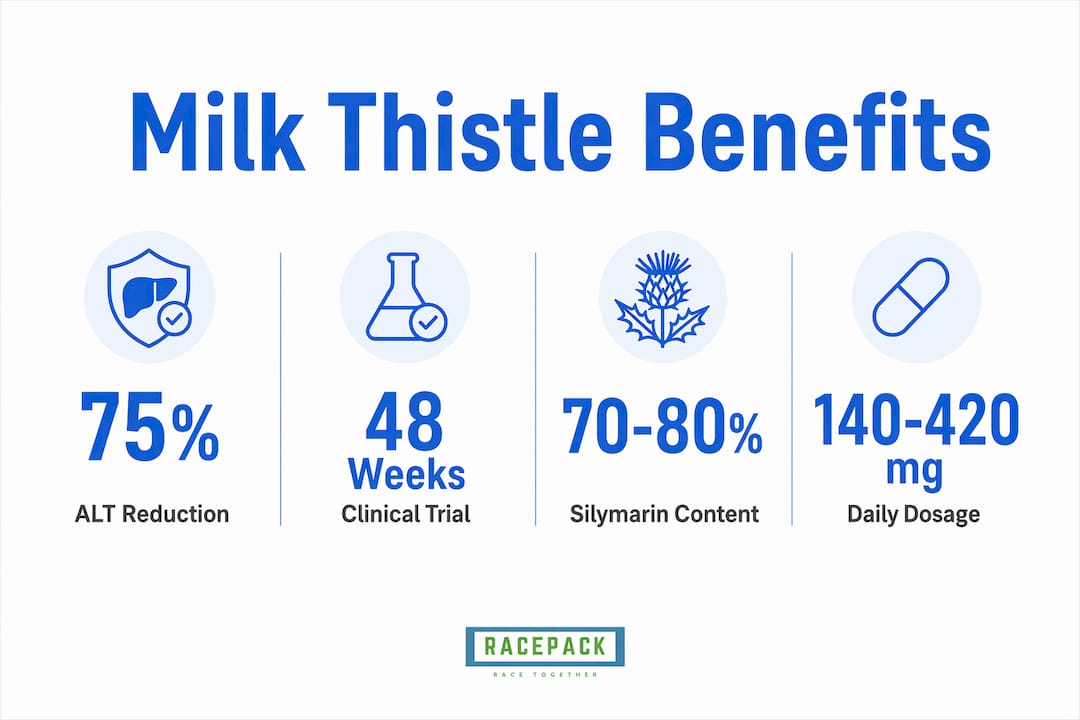
Milk thistle supplements are defined by their active compound silymarin, a flavonolignan complex extracted from Silybum marianum that clinically reduces liver enzyme levels and supports liver cell regeneration. The health benefits of milk thistle supplements are best documented in non-alcoholic fatty liver disease (NAFLD), where standardized silymarin extract at 140–420 mg daily produces measurable reductions in ALT and AST liver enzymes. Beyond liver function, silymarin also improves metabolic markers including cholesterol, triglycerides, and insulin resistance. This guide covers the clinical evidence, how silymarin works, what to look for in a quality supplement, and how to use it as part of a real liver health routine.
What does the science say about milk thistle’s liver benefits?
The clinical case for milk thistle is strongest in NAFLD. Meta-analyses and a 48-week RCT confirm that standardized silymarin at 140–420 mg daily for 8–24 weeks significantly reduces ALT and AST compared to placebo. ALT and AST are the two liver enzymes doctors use to measure liver inflammation and damage. When they drop, it means the liver is under less stress.
The metabolic benefits go further than enzyme numbers. Silymarin supplementation improves total cholesterol, triglycerides, LDL-C, and HDL-C, and reduces insulin resistance in fatty liver patients. These are meaningful outcomes for anyone managing metabolic syndrome alongside liver concerns.
The 48-week RCT result is particularly notable. At higher doses within the 140–420 mg range, researchers observed actual fibrosis reduction, not just enzyme normalization. Fibrosis is the scarring that accumulates in a damaged liver, and reversing it is a much harder clinical target than reducing inflammation markers.
Pro Tip: Look for studies specifying “standardized silymarin extract” rather than raw milk thistle powder. The standardization is what produces consistent clinical results.
Evidence outside NAFLD is more limited. Studies in alcoholic liver disease, hepatitis C, and cirrhosis show mixed or inconclusive results. The strongest, most reproducible evidence sits squarely in the NAFLD and metabolic liver disease space.
| Condition | Evidence Strength | Key Outcome |
|---|---|---|
| NAFLD / Fatty Liver | Strong (multiple RCTs, meta-analyses) | ALT/AST reduction, fibrosis improvement |
| Metabolic Syndrome | Moderate | Cholesterol, triglyceride, insulin improvement |
| Alcoholic Liver Disease | Mixed | Inconsistent enzyme results |
| Hepatitis C / Cirrhosis | Limited | No consistent benefit confirmed |
How does silymarin actually work in the body?
Silymarin works through three primary mechanisms: antioxidant activity, anti-inflammatory signaling, and direct hepatocyte protection. Clinical trials show that silymarin decreases liver inflammation and supports liver cell recovery by neutralizing free radicals and blocking inflammatory pathways that damage hepatocytes (liver cells).

The hepatoprotective effect is especially relevant for people with elevated liver enzymes from diet, alcohol, or metabolic stress. Silymarin does not just reduce symptoms. It supports the structural repair of liver cells that have been damaged by oxidative stress.
Here is what silymarin does at the cellular level:
- Antioxidant action: Neutralizes reactive oxygen species that damage liver cell membranes
- Anti-inflammatory effect: Suppresses pro-inflammatory cytokines including TNF-alpha and IL-6
- Hepatocyte regeneration: Stimulates protein synthesis in liver cells to accelerate repair
- Membrane stabilization: Strengthens liver cell walls to reduce toxin penetration
“Your liver is always working to filter toxins, and it does this on its own. Supplements like milk thistle support that process in documented liver conditions, but they do not replace the liver’s natural function or substitute for lifestyle changes.” — Johns Hopkins Medicine guidance on liver detox facts
The “liver detox” marketing around milk thistle is misleading. Johns Hopkins Medicine is direct on this point: the liver maintains itself continuously, and no supplement triggers a special detox mode. Milk thistle aids the liver when it is under documented clinical stress. It does not flush toxins on demand.
The hangover cure claim follows the same logic. There is no rigorous evidence that milk thistle reduces hangover symptoms or protects against acute alcohol damage in healthy individuals. Alcohol moderation remains the only proven strategy for alcohol-related liver protection.
What should you know about dosage and supplement quality?
Dosage and formulation quality are the two factors that separate effective milk thistle supplementation from wasted money. Poor quality supplements without standardized silymarin content produce inconsistent and often ineffective results. The label must specify silymarin or silybin percentage, ideally 70–80%, with third-party certification.
Standard extract vs. phytosome formulations
Standard milk thistle extract requires 420 mg of silymarin daily to achieve clinical effects. Phytosome or phospholipid-bound silybin formulations deliver the same or better outcomes at 140–280 mg daily because the phospholipid complex dramatically improves absorption through the gut wall. This matters if you are comparing products by milligram count alone. A 140 mg phytosome product can outperform a 420 mg standard extract.
Dosing frequency and timing
The clinical studies that show results use divided doses taken two to three times daily with meals. Taking silymarin with food improves absorption and reduces the mild gastrointestinal side effects some people experience. A single large daily dose is less effective than splitting the total across meals.
Pro Tip: When reading a supplement label, check for “standardized to X% silymarin” rather than just total herb weight. A 1,000 mg capsule of raw milk thistle powder with no standardization delivers far less active compound than a 300 mg capsule standardized to 80% silymarin.
Safety and interactions
Milk thistle has a strong safety record at recommended doses. The most common side effects are mild digestive upset and, rarely, allergic reactions in people sensitive to plants in the Asteraceae family (ragweed, chrysanthemums, daisies). Mayo Clinic advises medical supervision for anyone with a chronic liver condition, as silymarin can interact with medications metabolized by the liver’s cytochrome P450 enzyme system. If you take statins, blood thinners, or diabetes medications, check with your doctor before starting.
How to integrate milk thistle into a liver health routine
Milk thistle works best as one part of a broader plan, not as a standalone fix. Combined interventions including Mediterranean-style diet and 7–10% body weight loss improve liver enzyme levels, liver size, and steatosis beyond what supplements achieve alone. That 7–10% weight loss figure is clinically significant. It is the threshold at which NAFLD patients show measurable liver improvement on imaging.
For athletes and fitness-focused individuals, this is actually good news. Regular training and a whole-food diet already move you toward the lifestyle targets that support liver health. Milk thistle supplementation adds a documented layer of liver enzyme support on top of those habits. Recovery-focused athletes may also find value in silymarin’s anti-inflammatory properties, which overlap with exercise recovery support in the context of metabolic stress.
Here is a practical checklist for safe and effective use:
- Get baseline labs first. Ask your doctor for an ALT and AST panel before starting. This gives you a real number to track improvement against.
- Choose a standardized product. Verify 70–80% silymarin content and third-party testing on the label.
- Take with meals. Split your daily dose across two or three meals for better absorption and fewer side effects.
- Combine with diet changes. A Mediterranean-style eating pattern (olive oil, vegetables, fish, whole grains) amplifies the liver benefits.
- Retest at 8–12 weeks. Clinical trials show meaningful enzyme changes within this window. Retesting tells you whether the supplement is working for your specific situation.
- Do not skip medical care. Milk thistle is an adjunct. If you have diagnosed liver disease, it supports your treatment plan. It does not replace it.
Key takeaways
Milk thistle supplements deliver clinically validated liver enzyme reductions in NAFLD when taken as standardized silymarin extract at 140–420 mg daily, but they require quality formulations, proper dosing, and lifestyle support to produce real results.
| Point | Details |
|---|---|
| Silymarin is the active compound | Look for 70–80% standardized silymarin content on every supplement label. |
| NAFLD has the strongest evidence | Meta-analyses confirm ALT and AST reductions at 140–420 mg daily for 8–24 weeks. |
| Phytosome forms work at lower doses | Phospholipid-bound silybin achieves clinical effects at 140–280 mg vs. 420 mg standard extract. |
| Lifestyle changes amplify results | Mediterranean diet and 7–10% weight loss improve outcomes beyond supplements alone. |
| Medical supervision matters | Consult a doctor before use if you take medications or have a diagnosed liver condition. |
Why i think most people are using milk thistle wrong
I have watched the “liver detox” trend cycle through the wellness space for years, and the same misunderstanding keeps showing up. People buy milk thistle after a heavy weekend, take it for two weeks, feel fine, and conclude it worked. That is not how the evidence reads.
The clinical results that matter, the ALT and AST reductions, the fibrosis improvements, come from consistent use at proper doses over 8–24 weeks in people with documented liver stress. Milk thistle is not a reset button. It is a support tool for a liver that is already under chronic metabolic pressure.
The readers who will get the most from this supplement are those managing NAFLD, elevated liver enzymes from metabolic syndrome, or high-training-load athletes looking to reduce systemic oxidative stress. For those groups, a quality standardized product from a reputable source is worth serious consideration.
My practical advice: skip the cheap, unstandardized powders. Choose a product with verified silymarin percentage, get your liver enzymes tested before you start, and retest at 12 weeks. If your numbers improve, you have real evidence it is working for you. If they do not, your lifestyle habits need more attention than your supplement stack does.
Reputable brands and third-party tested products matter more in this category than in most. The difference between a 70% standardized extract and an unstandardized powder is the difference between a clinical dose and a placebo.
— Jason John
Support your liver with trusted milk thistle from RacepackSingapore
RacepackSingapore carries the Orzax Milk Thistle Plus standardized to 80% silymarin, one of the highest-concentration options available for athletes and health-focused individuals in Singapore. Each capsule delivers a verified, consistent dose so you are not guessing at potency.

We stock only authentic products with guaranteed quality, and next-day delivery means you can start your supplementation protocol without delay. If you want to explore more nutrition and supplement guidance tailored for active individuals, our blog covers evidence-based advice across the full performance and recovery spectrum. You can also check out NOW Milk Thistle as a trusted alternative for liver support.
Buy Now and support your liver health with Orzax Milk Thistle Plus from RacepackSingapore
FAQ
What are the main health benefits of milk thistle supplements?
Milk thistle supplements reduce elevated liver enzymes ALT and AST in NAFLD patients and improve metabolic markers including cholesterol, triglycerides, and insulin resistance. These benefits are documented in clinical trials using standardized silymarin extract at 140–420 mg daily.
What is the recommended milk thistle dosage for liver support?
The clinically effective range is 140–420 mg of standardized silymarin daily, divided across two to three doses taken with meals. Phytosome formulations achieve the same results at 140–280 mg due to superior absorption.
Is milk thistle effective for everyone with liver problems?
Milk thistle has the strongest evidence in NAFLD and metabolic liver disease. Evidence in alcoholic liver disease, hepatitis C, and cirrhosis is mixed or limited. It is not a replacement for medical treatment in any diagnosed liver condition.
Does milk thistle work as a liver detox or hangover cure?
No. Johns Hopkins Medicine confirms there is no rigorous evidence for milk thistle as a liver detox or hangover remedy. The liver detoxifies continuously on its own, and supplements support documented liver conditions rather than triggering any special cleansing process.
Are there side effects or drug interactions with milk thistle?
Mild digestive upset is the most common side effect. People allergic to ragweed or related plants may react. Silymarin can interact with medications processed by the liver’s cytochrome P450 system, including statins and blood thinners, so consult your doctor before starting.
How do i choose a quality milk thistle supplement?
Choose a product standardized to 70–80% silymarin or silybin content with third-party testing certification. Avoid raw milk thistle powder with no standardization, as the active compound content is unreliable and clinical dosing is impossible to achieve.
How long does it take for milk thistle to show results?
Clinical trials show measurable ALT and AST reductions within 8–24 weeks of consistent use. Get baseline liver enzyme labs before starting and retest at 8–12 weeks to assess your personal response.
Can athletes benefit from milk thistle supplementation?
Athletes under high training loads experience elevated oxidative stress and metabolic demands that can affect liver enzyme levels. Silymarin’s antioxidant and anti-inflammatory properties support liver cell recovery in this context, making it a relevant addition to a performance nutrition plan.
Should milk thistle be combined with diet changes?
Combining milk thistle with a Mediterranean-style diet and 7–10% body weight loss produces significantly better outcomes in NAFLD than supplements alone. Lifestyle changes are not optional extras. They are the primary driver of liver improvement, with milk thistle acting as a documented support layer.
Where can i buy standardized milk thistle supplements in singapore?
RacepackSingapore stocks the Orzax Milk Thistle Plus 120 Caps standardized to 80% silymarin, with guaranteed authenticity and next-day delivery across Singapore.