

Benefits of Creatine Monohydrate: An Evidence-Based Guide
Key takeaways (30-sec read)
-
The most studied sports supplement; benefits strength, power, and training quality.
-
Dosage: 3–5 g/day. Optional loading: 20 g/day (4×5 g) for 5–7 days → 3–5 g/day.
-
Timing: any time daily; consistency matters more than pre/post timing.
-
Safety: well-tolerated for healthy adults; hydrate well. Kidney disease or pregnancy → ask your doctor first.
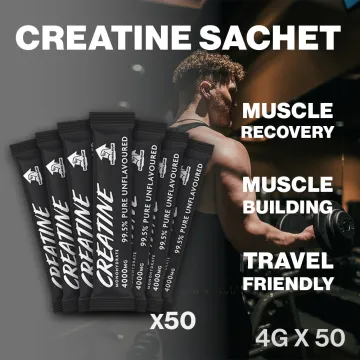
What is Creatine Monohydrate?
Creatine is stored in muscle as phosphocreatine. During short, intense efforts (sprints, heavy lifts), it rapidly donates phosphate to regenerate ATP—the body’s immediate energy currency. Supplementing creatine monohydrate raises muscle creatine stores, improving high-intensity performance.
Proven benefits of creatine monohydrate
1) Strength & power increase
Helps you perform more reps at a given load or lift slightly heavier—compounding into better gains over weeks.
2) Lean muscle support
Higher training volume + cell hydration (intracellular water) = improved hypertrophy over time. Initial scale weight may rise 0.5–2 kg from water inside muscle—this is not fat.
3) High-intensity performance
Sprinting, interval training, team sports, CrossFit/WODs, HIIT work bouts—creatine helps you repeat efforts with less drop-off.
4) Recovery support
May reduce markers of muscle damage and perceived fatigue, helping you bounce back for the next session.
5) Cognitive & fatigue resistance (emerging)
Small but growing evidence suggests benefits for short-term memory/mental fatigue, especially in low-creatine diets.
Is creatine safe?
For healthy adults, long-term use at recommended doses is considered safe. Common myths:
-
Kidneys: No evidence of harm in healthy people at normal doses; if you have kidney issues, are pregnant/breastfeeding, or under medical care—consult your doctor first.
-
Cramps/dehydration: Not supported; still, drink plenty of water.
-
Hair loss: One small study showed increased DHT; there’s no consistent evidence linking creatine to hair loss.

Creatine dosage (simple chart)
-
No-load method (easiest): 3–5 g once daily. Muscle saturation ~3–4 weeks.
-
Loading method (fastest saturation): 20 g/day split into 4×5 g for 5–7 days, then 3–5 g/day.
Best time to take creatine?
Any time. Consistency > timing. Taking with a carb/protein meal can slightly help uptake and reduce GI upset. Pre vs post makes little difference—pick the time you’ll remember.

How long does creatine take to work?
-
With loading: many feel a difference in 7–10 days.
-
Without loading: expect 3–4 weeks as stores saturate.
Who benefits most?
-
Strength/power & mixed-sport athletes (lifting, sprint, HIIT, field/court sports).
-
Vegetarian/vegan diets (typically lower baseline muscle creatine).
-
Women: equally effective and safe at the same 3–5 g/day dose.
Cutting vs bulking
Creatine can add a little intracellular water early on. In a cut, that water can keep muscles looking fuller while strength holds up; in a bulk, it supports higher training volume.
Stacking & mixing
-
Works well with whey protein, beta-alanine, and electrolytes.
-
Caffeine: fine for most; if GI upset occurs, take them at different times.
-
Mixing: water, juice, or your post-workout shake; warm liquid helps dissolve.
Side effects & how to avoid them
-
Upset stomach? Split doses (e.g., 2–3× per day), take with meals, or try micronized powder.
-
Bloating? Usually transient water inside muscle; often subsides after the first 1–2 weeks.
-
Hydration: aim for 30–40 ml/kg/day of fluids, more if you sweat heavily.
Best type of creatine
Creatine monohydrate remains the gold standard—most researched, effective, and budget-friendly. Fancy forms (HCL, ethyl ester) don’t consistently outperform monohydrate.
FAQs (long-tail)
Is creatine safe long term? Yes for healthy adults at 3–5 g/day.
Do I need to cycle creatine? No.
Creatine before or after workout? Either; choose the time you’ll remember.
Can I take creatine with coffee? Yes; separate if you get an upset stomach.
Does creatine cause hair loss? No consistent evidence.
Can beginners take creatine? Yes—start at 3–5 g/day.
How much water with creatine? A full glass with the dose; meet your daily hydration target.
Is creatine good for runners/swimmers? Helpful for sprint/interval work; less impact on pure long steady-state.
Ready to try it?
Try the best creatine monohydrate supplement in Singapore here
Disclaimer: This article is for general information only and is not medical advice.